
As small-scale fishers working the coasts of Europe we do not fish hundreds of kilometres offshore, nor do we operate destructive trawling gear or benefit from fishing moratoriums disguised as subsidies. What we have is something far more valuable: generations of knowledge and a deep-rooted commitment to safeguard our fishing grounds for future generations. Ours is not just a job, but a legacy — a way of life rooted in centuries of tradition, where livelihoods and ocean stewardship go hand in hand.
But today, that legacy is under threat — not from the sea, but from industrial fleets that strip the ocean with impunity and push us aside.
Industrial fishing operations, often backed by tax exemptions and generous subsidies, dominate policy and plunder the seas. Their destructive practices, like bottom trawling, don’t just threaten biodiversity — they undermine the very foundation of sustainable fishing. They destroy the seabed, deplete stocks, and make it harder for those of us who fish with care to make a living.
This is not just an ecological crisis — it’s an economic and cultural one. That’s why we are calling for the urgent implementation and enforcement of existing marine protected areas (MPAs). These zones were created to safeguard marine life and coastal livelihoods, yet too often they exist in name only. Properly respecting the protections they’re meant to provide is essential to securing the future of Europe’s sustainable fishers and the ocean ecosystems they depend on.
MPAs - when well designed and effectively implemented - do work. Fishers know this firsthand and science has the data to back it up. They restore biodiversity and biomass, and when fish return, so can fishers. A healthy ocean means healthy fisheries — and thriving fisheries require thriving ecosystems. MPAs offer a vital safeguard, giving marine life space to recover from decades of industrial pressure.
Despite what industrial lobbyists claim, MPAs are not about locking people out of the ocean. They’re about locking destruction out. They’re about giving space for life — and for livelihoods — to rebound.
Small-scale fishers like us use low-impact, selective gear such as hand lines, nets, and traps — methods that preserve ecosystems while feeding EU citizens and supporting more jobs in coastal communities than any other part of the sector.
We represent 76% of the EU fishing fleet, and yet we’re often sidelined by policies that favour industrial interests. In inshore zones, the fish we depend on can be caught without damaging the seabed or displacing local livelihoods — and still, destructive trawling is allowed to continue.
We are the stewards of the sea, not just its users. But while we play by the rules, we’re the ones who face the fallout of collapsed stocks, unfair quotas, and shrinking access to our own waters — while those who exploit the most are rewarded the most.
The EU’s Common Fisheries Policy promised fairness, through Article 17 — promising to reward sustainable practices and consider social and environmental criteria when allocating fishing opportunities. But in practice, Member States are failing to implement it, instead it’s the large-scale fleets that receive the vast majority of the quota and fuel subsidies, even though they provide fewer jobs and do more damage.
For those of us who still fish with our hands, our hearts, and our heritage, MPAs offer a future we can believe in. Because if we want thriving fisheries, we need a thriving ocean. And we know, more than most, that the two cannot be separated.
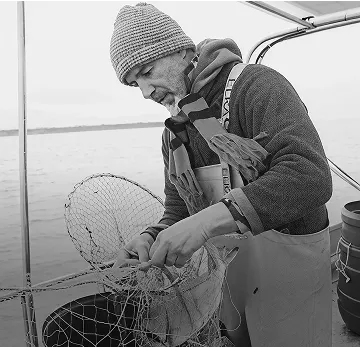
Renato Galeotti
Small-scale fisher · President, Associazione Casette dei Pescatori
Vada, Italy 🇮🇹
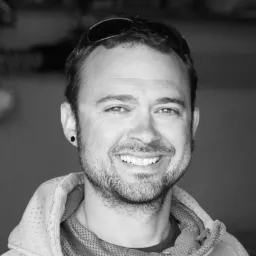
Isaac Moya
Fisherman and Co-Founder of Sustainable Fisheries Collective Empesca’t
Catalunya, España 🇪🇸
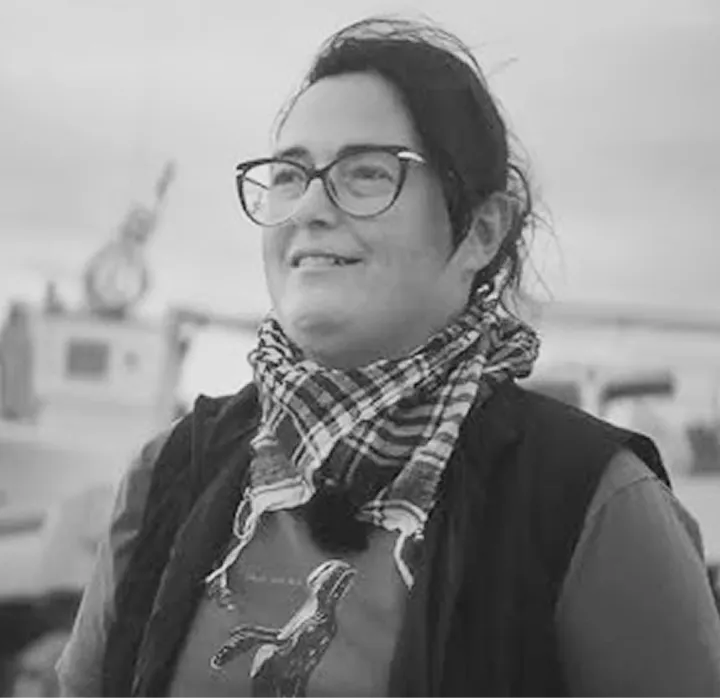
Macarena Molina Hernández
Small-scale fisher · Representative at Pescares
Andalusia, España 🇪🇸
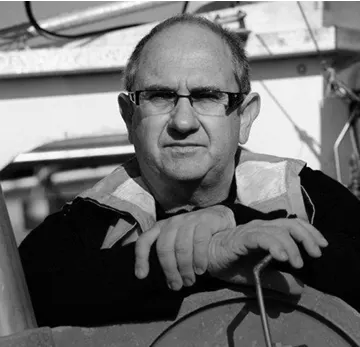
Christian Decugis
Small-scale fisher · former President of Low Impact Fishers of Europe (LIFE)
Var, France 🇫🇷
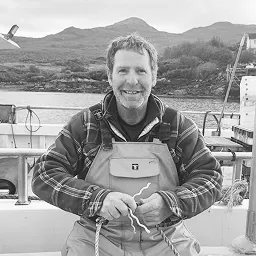
Alisdair (Bally) Philip
Commercial Creel Fisherman and National Coordinator of the Scottish Creel Fishermen’s Federation
Inverness, Scotland 🏴
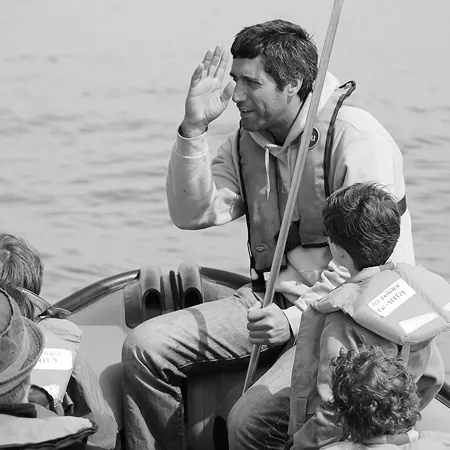
André Dias
Small-scale fisher
Algarve, Portugal 🇵🇹