
Deep Dive
Off the Pacific coast of Central and South America lies a tropical ocean region of rare beauty and biodiversity, up against the threats of pollution, habitat destruction, climate change, and industrial fishing. We must act now to protect The Jewel of the Pacific.
↓
This interactive essay is part of The Jewel of the Pacific, a series from Only One that underscores the urgent need for the world’s first multinational network of marine protected areas. Scroll to discover what is at stake for this extraordinary array of ocean life.

I. An Explosion of Life
In a vast area of deep water and rolling waves, upwellings of nutrient-rich waters support a magnificent realm of marine life.
An impressive five major ocean currents converge, bolstering the dispersal of corals, crustaceans, fishes, and many other creatures. Undulating “seamounts”—underwater mountains often of volcanic origin—redirect currents and attract a myriad of deep-sea organisms about which we still have much to learn. Iconic species such as hammerhead sharks, whale sharks, and leatherback sea turtles undertake migrations and movements to fulfill their biological needs like finding food and breeding.
Countless oceanographic processes are in a constant state of flux, connecting deep-sea coral habitats to vibrant mangrove trees and shrubs in shallow seas.
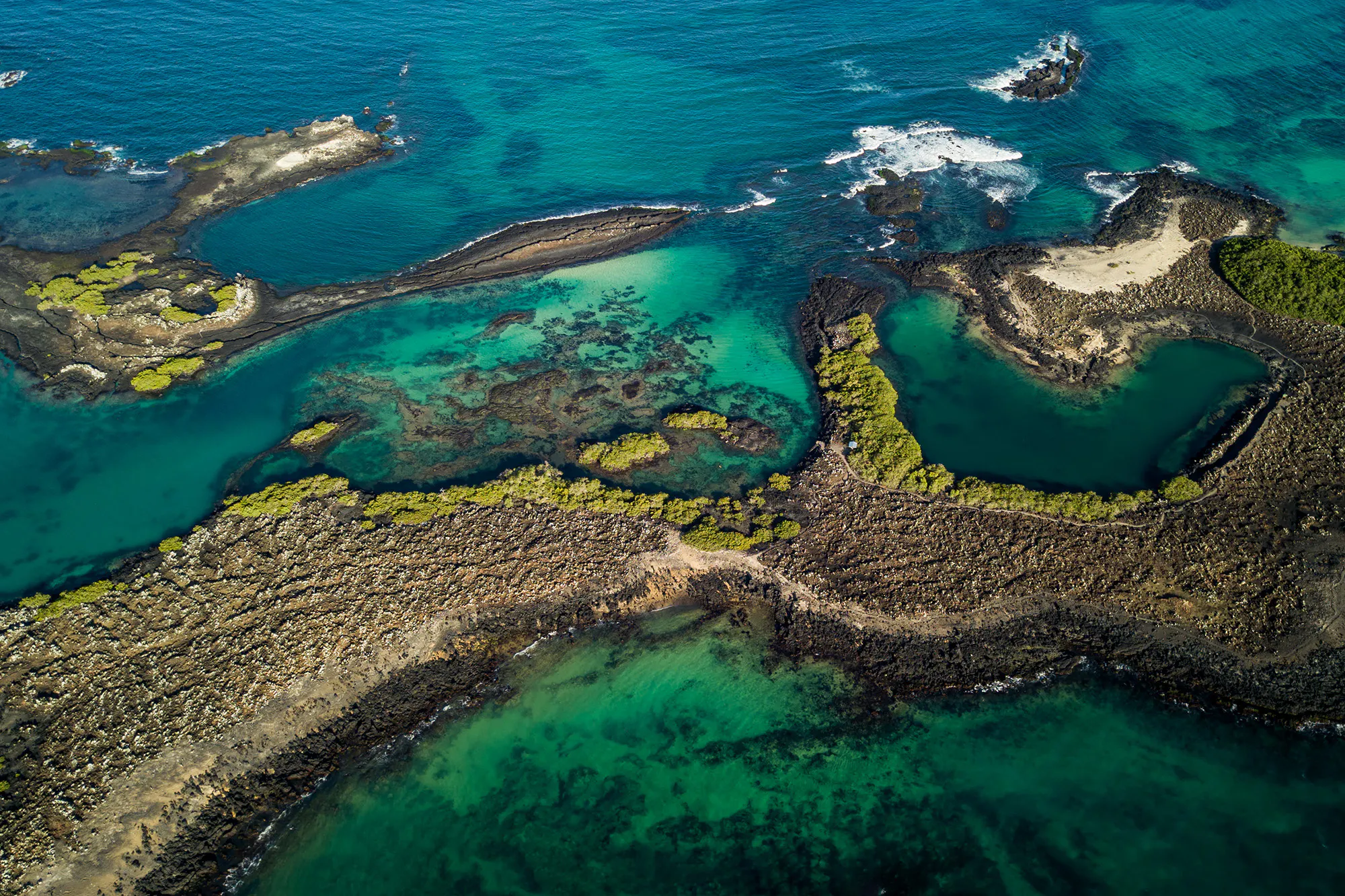

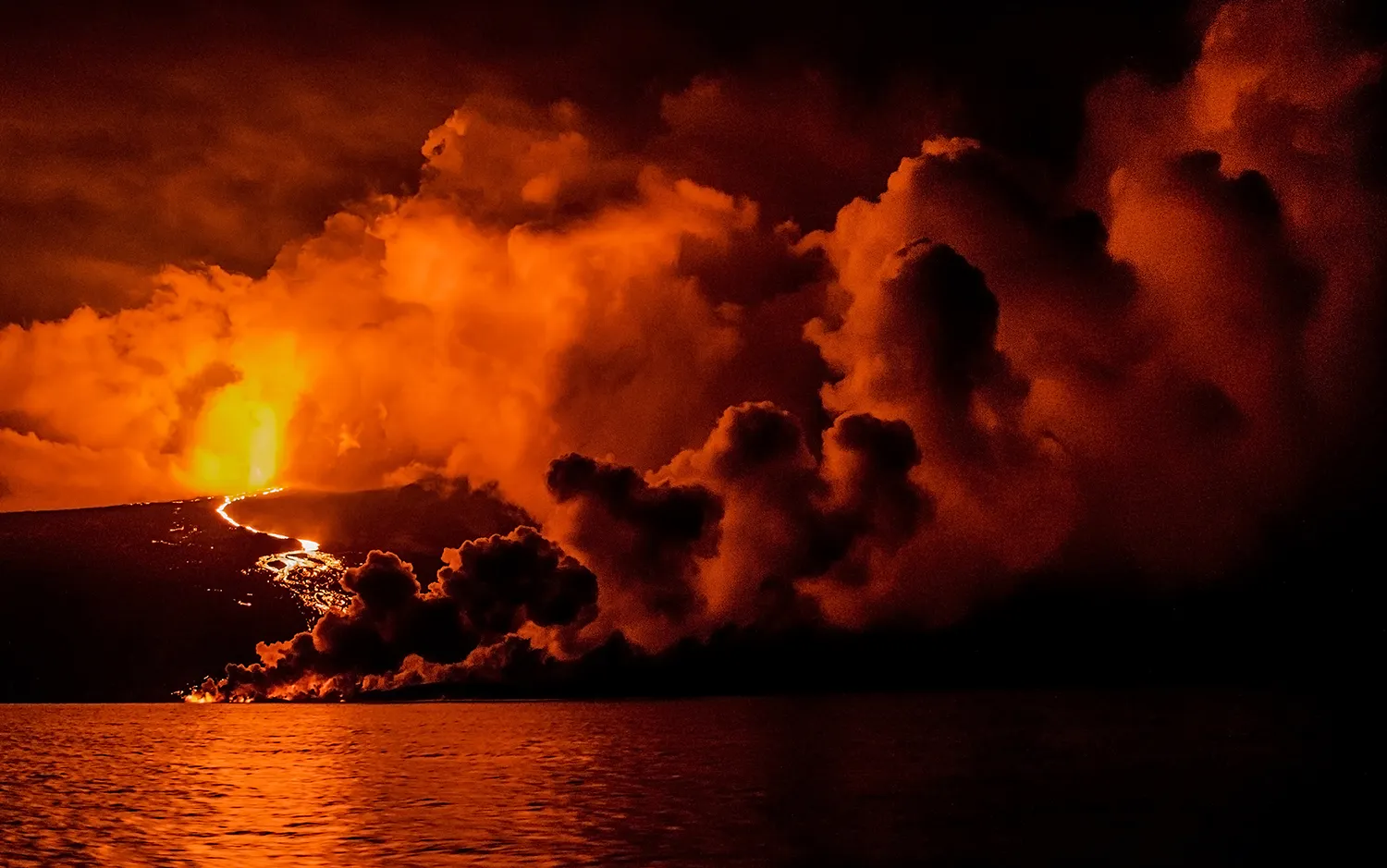
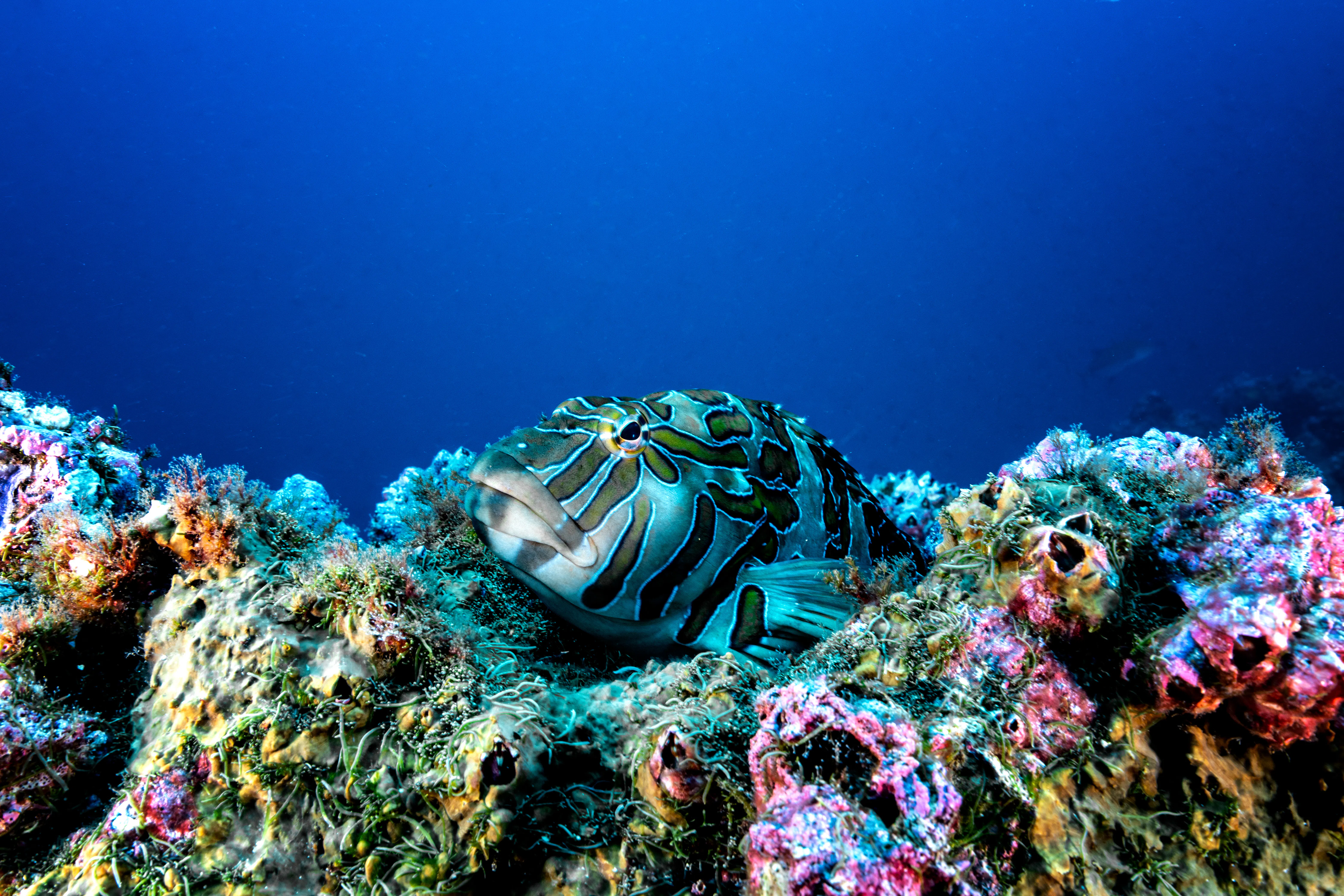
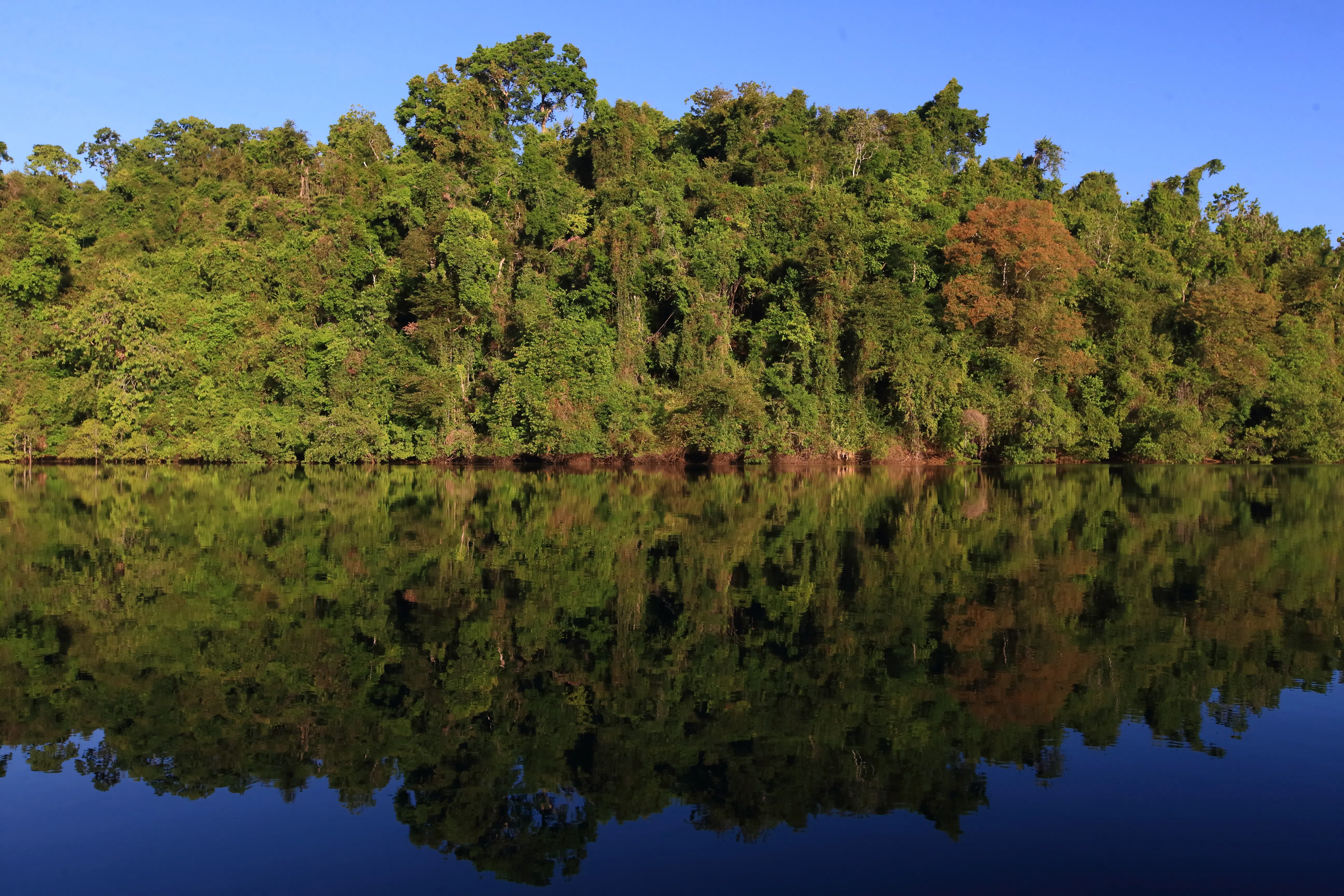
This is the Eastern Tropical Pacific Seascape.
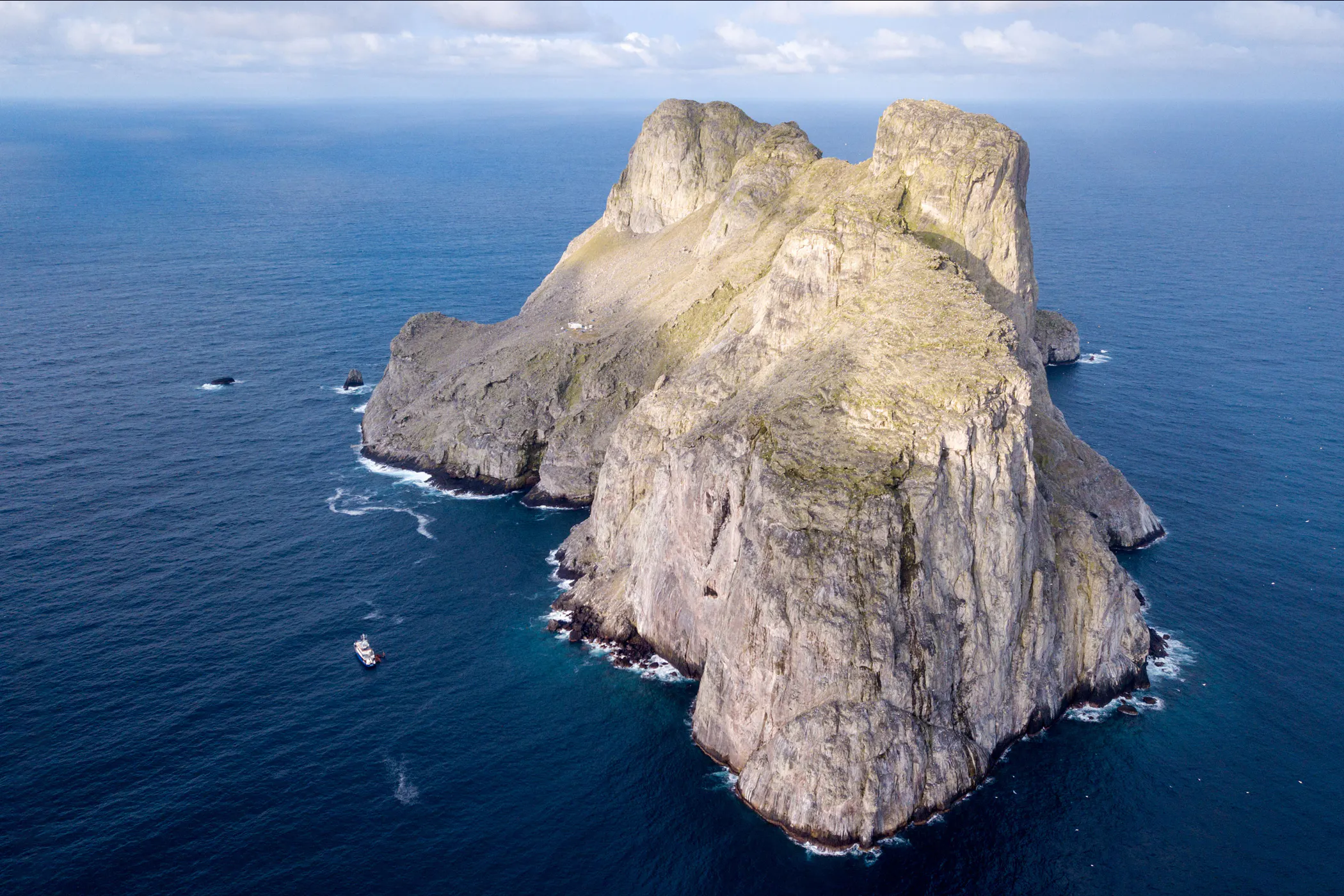
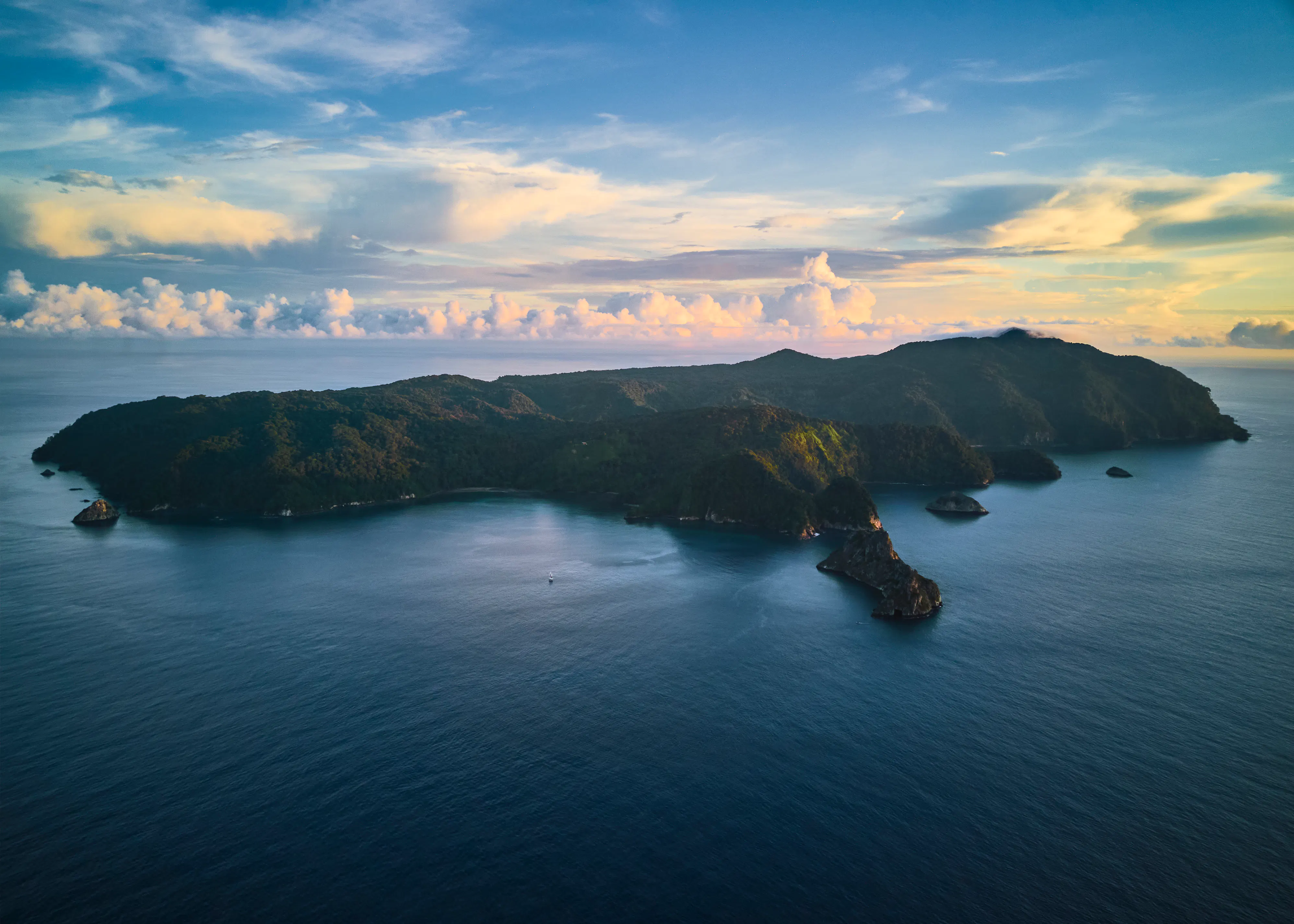
Spanning an area three times the size of Texas (around 2 million square kilometers), the Eastern Tropical Pacific (ETP) Seascape is an ever-flowing space filled with marine species. The wildlife that Charles Darwin encountered in the Galápagos archipelago, a part of the ETP Seascape, famously inspired his Theory of Evolution. The explosion of life with which Darwin was greeted reverberates throughout the region—especially in the marine “hotspots” of the Galápagos Islands, Cocos Island, Coiba Island, and Malpelo Island. All of these islands are recognized as UNESCO World Heritage Sites, Hope Spots, and Blue Parks, with unique and wondrous environmental characteristics.
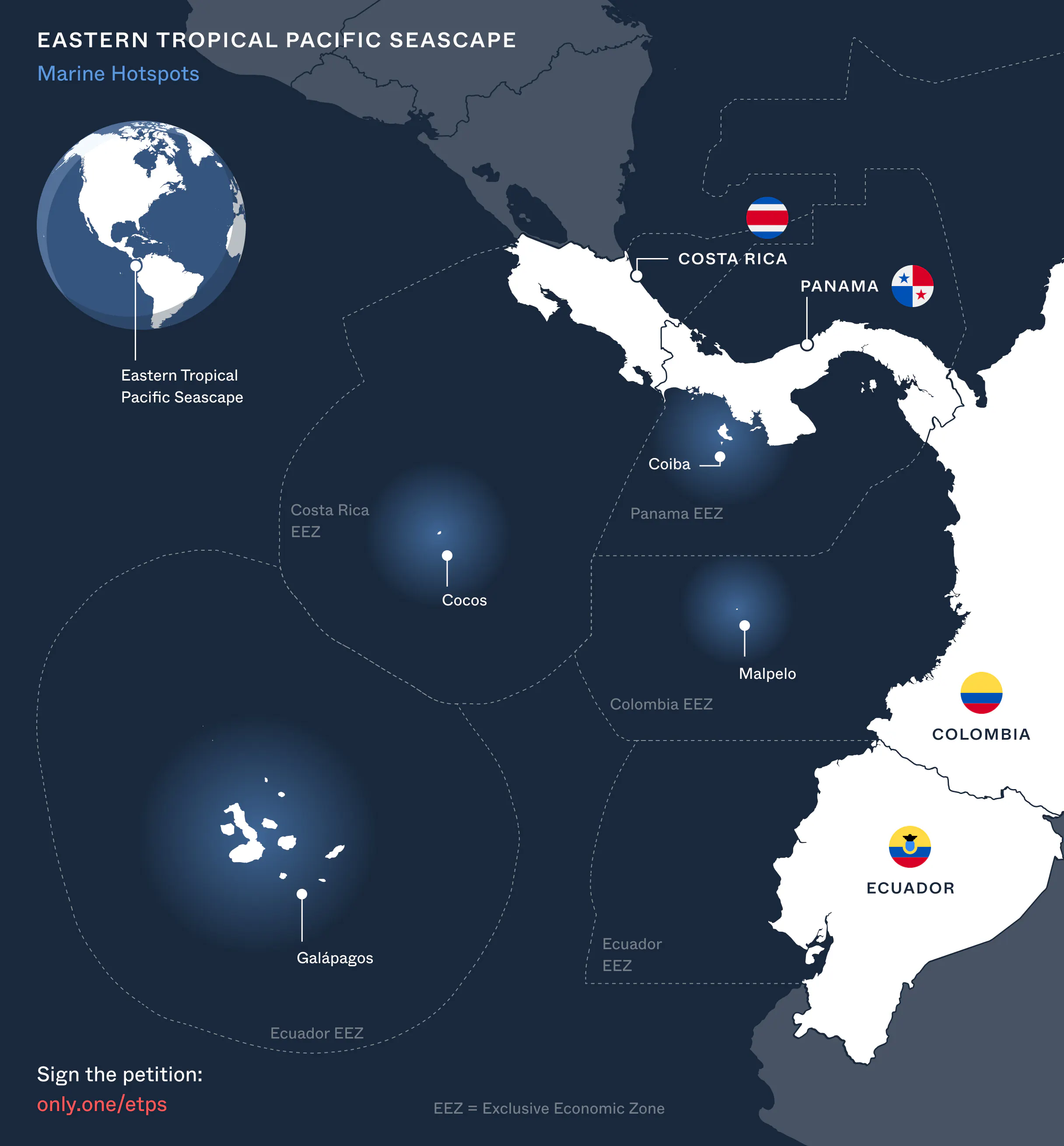
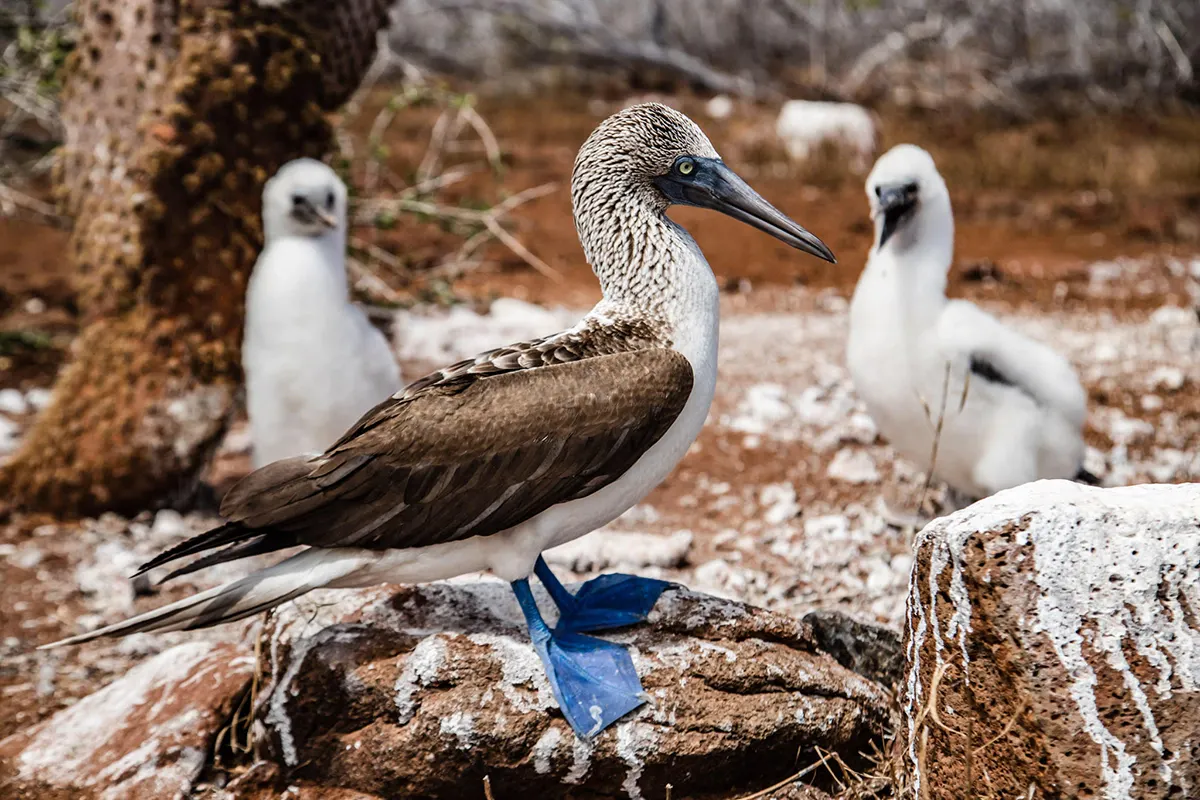
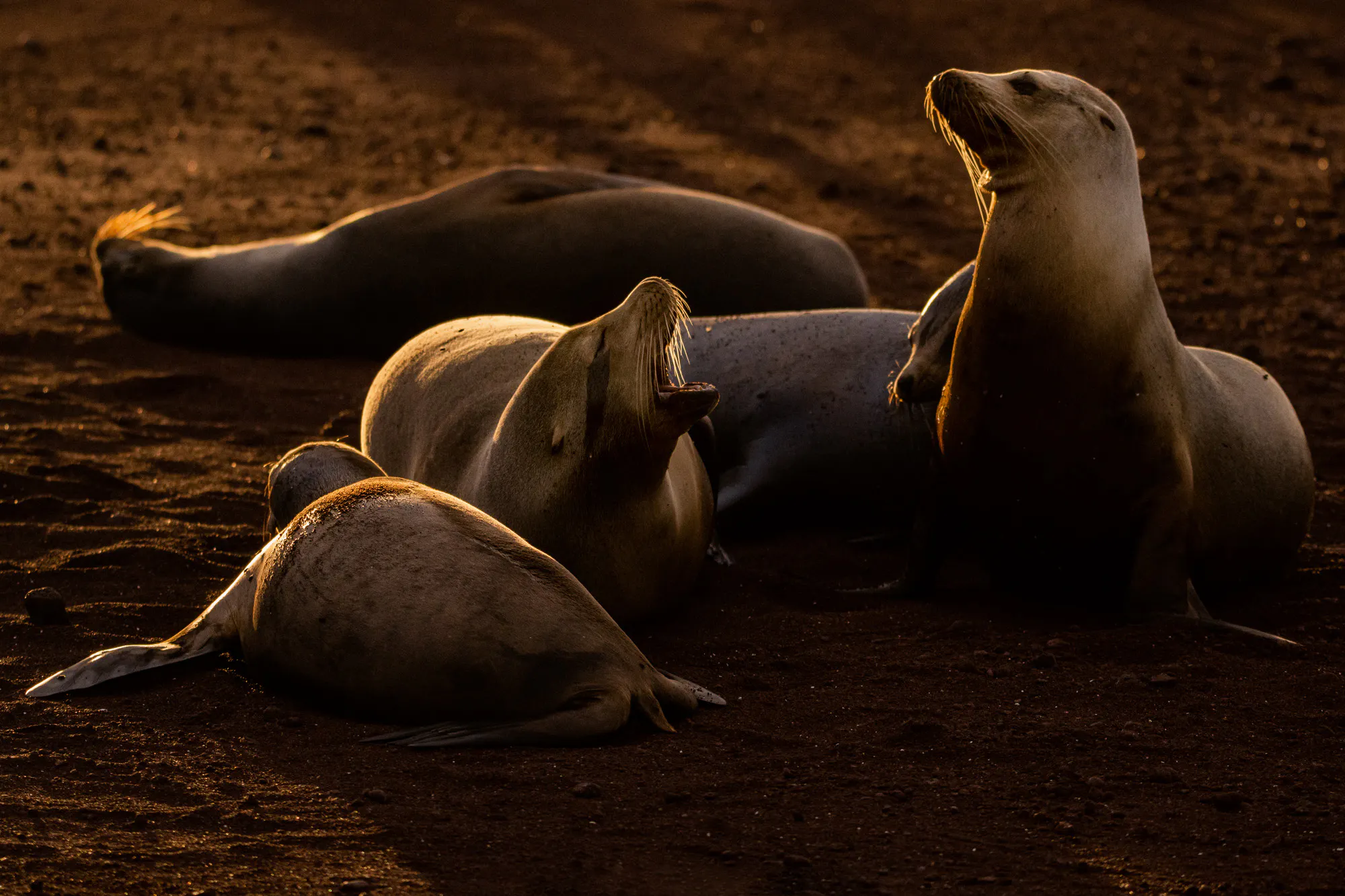
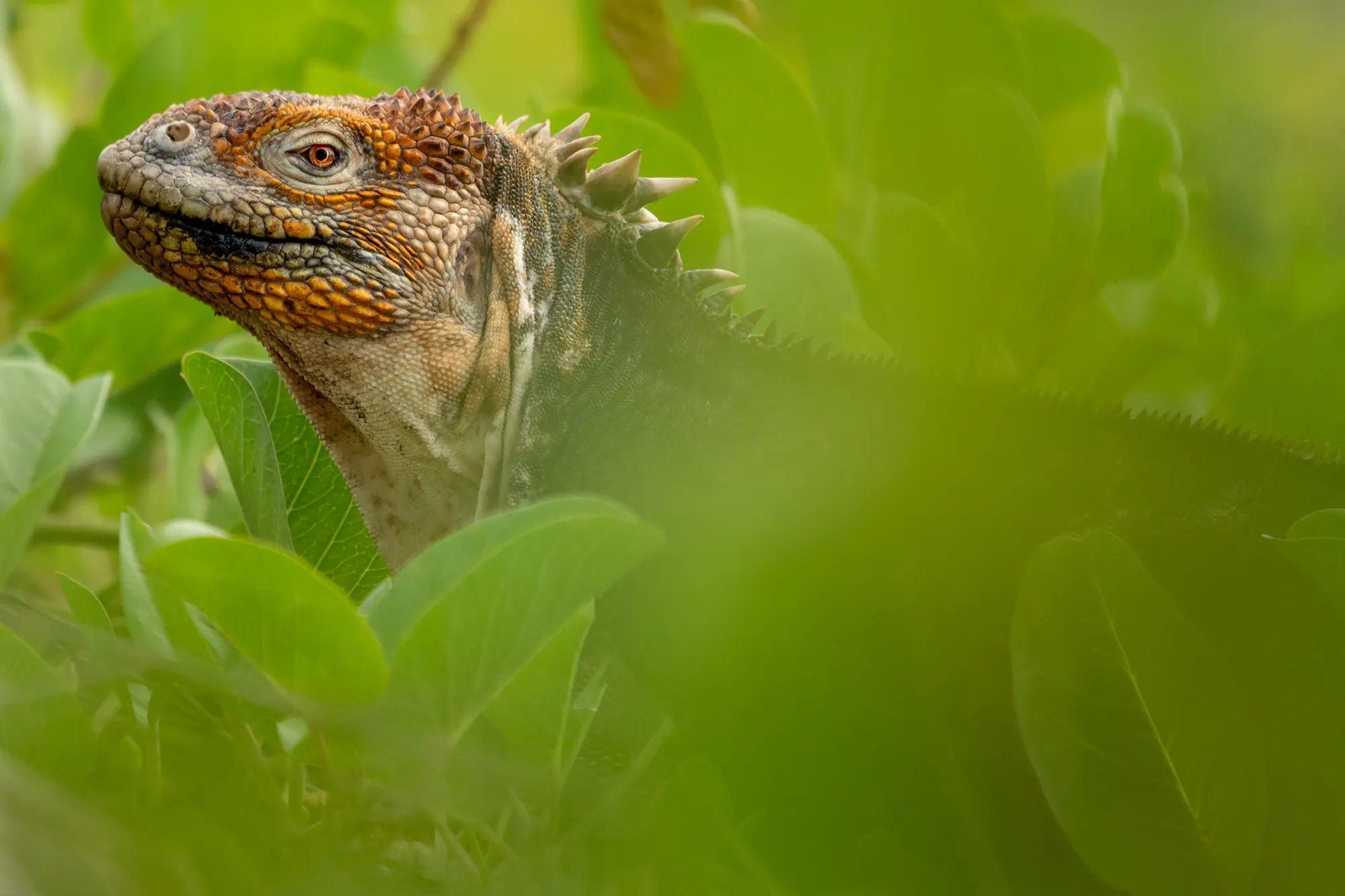
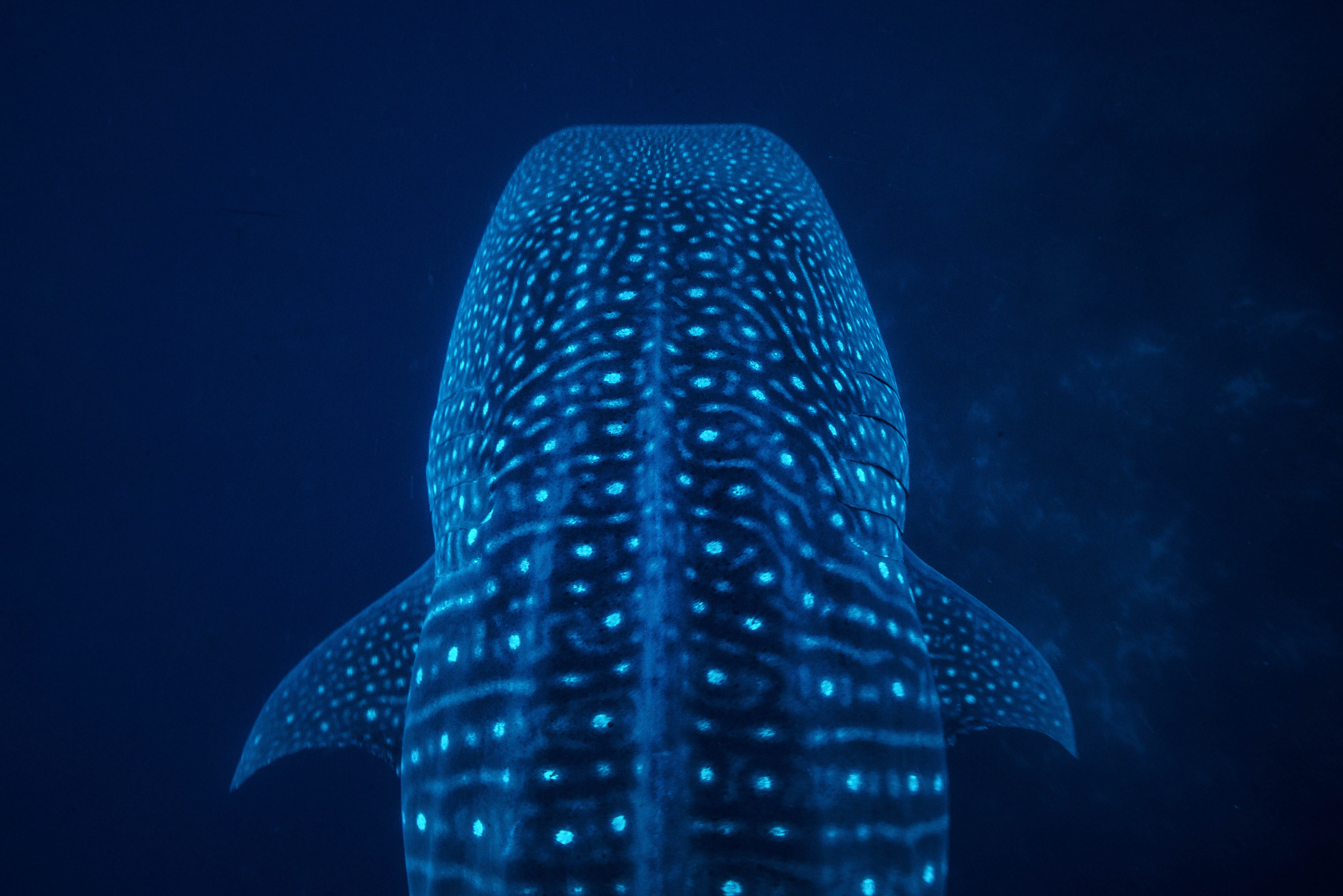
The ETP Seascape is an unparalleled opportunity for multinational guardianship of the ocean, with four nations presiding over its waters: Ecuador, Costa Rica, Panama, and Colombia.
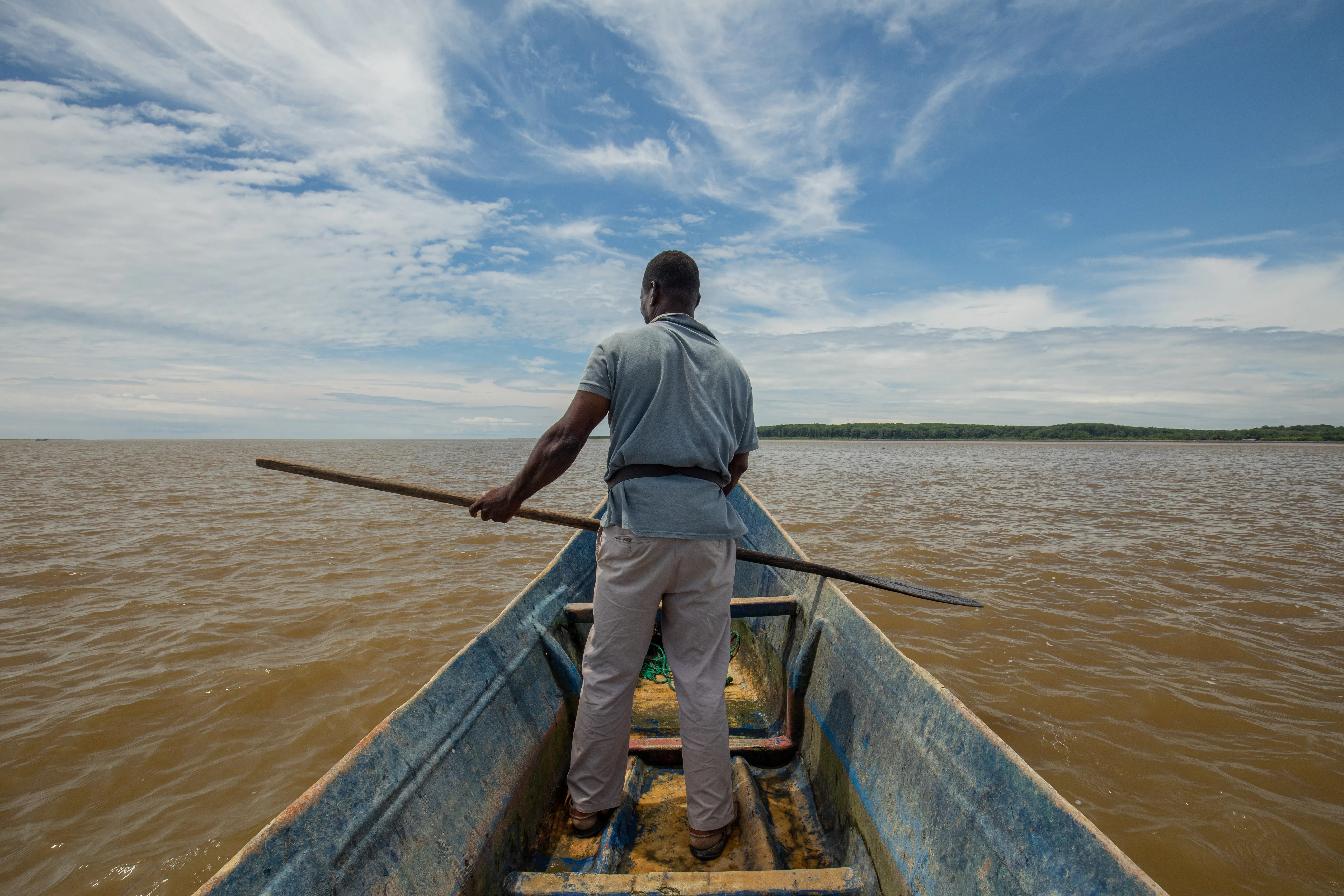
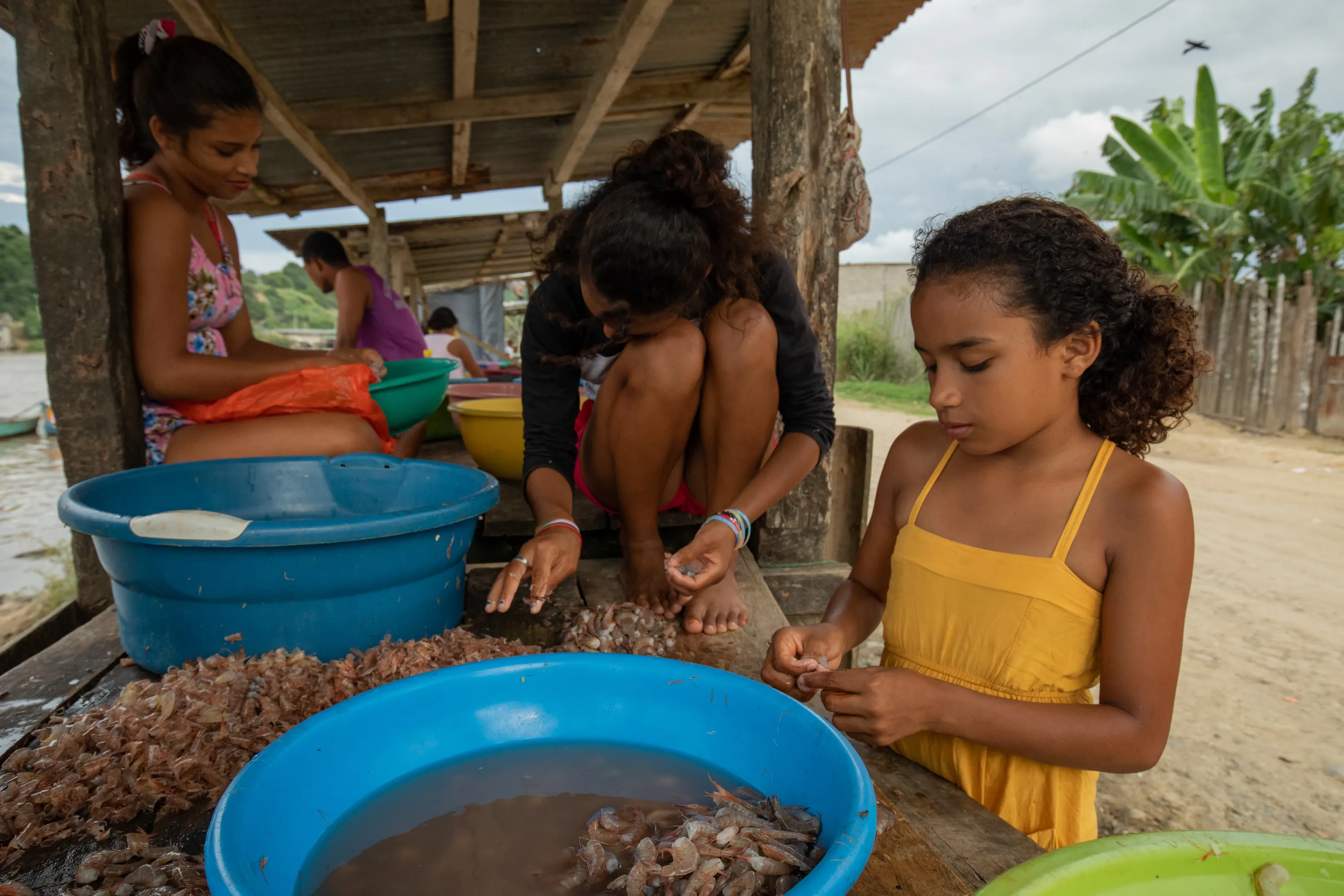
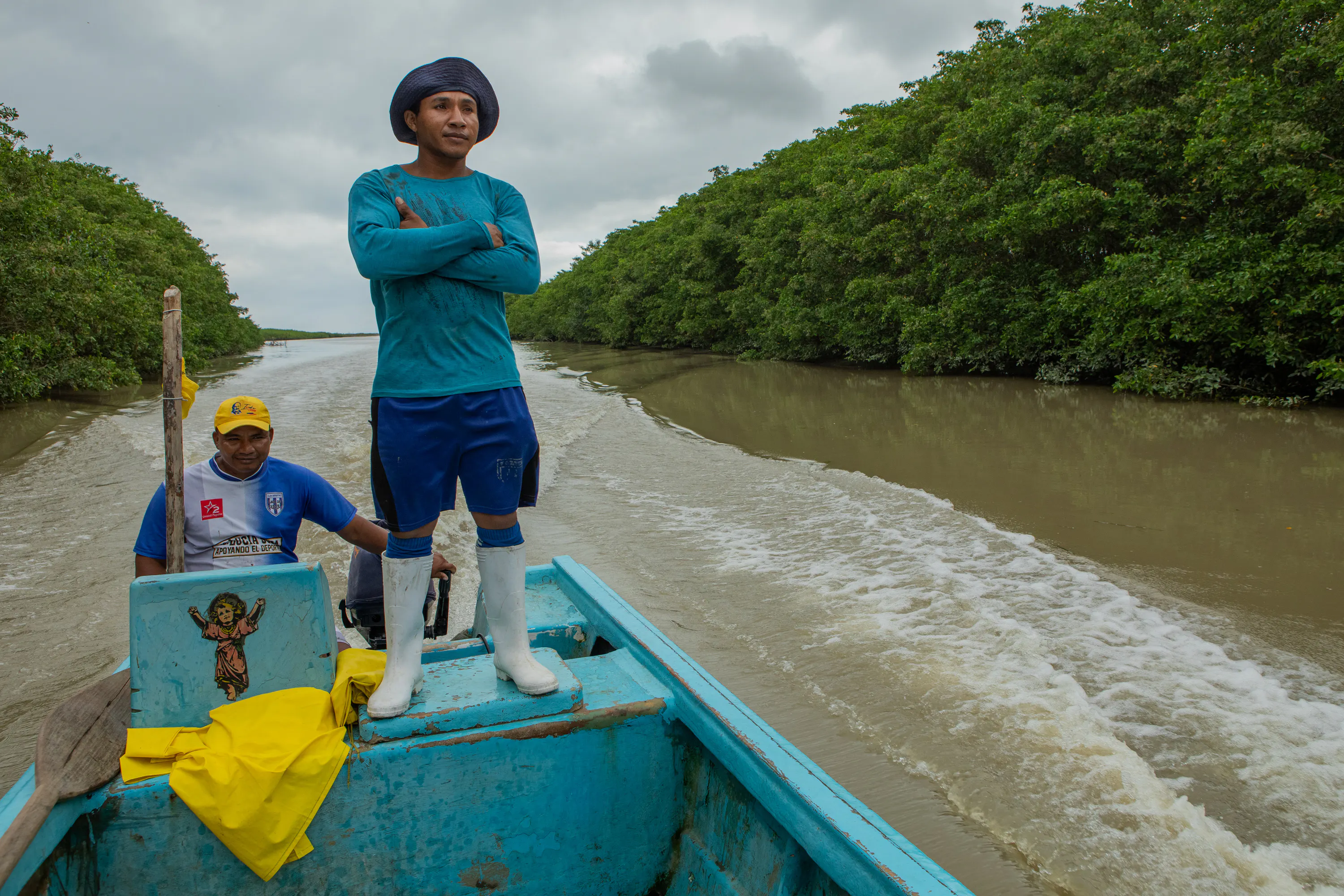
This remarkable area of ocean is crucial to the economy, culture, and future of these four countries. With more than five million people living just a few miles from the shores of the ETP Seascape, essentially every member of these coastal communities is connected to the marine resources on their doorstep. Small-scale and artisanal fishing in the region employs an estimated 1.3 million fishers and fish farmers; many more people work in shipping or the thriving tourism industry. The hum of economic activity touches most of the population in one way or another. Needless to say, this ocean region is a vital source of livelihoods, opportunities, and recreation.
II. The Cities Under the Sea
The ETP Seascape is the embodiment of marine connectivity.
To imagine what this is like, we can compare the ETP Seascape to a bustling metropolitan area. The ocean surrounding each island is a “city” of its own unique design. These undersea “cities” are home to many thousands of “residents”—marine species interacting with each other at every time of day and night. The “infrastructure” includes the seamounts and the coral reefs; the changes in the weather are the currents and the ocean temperatures.
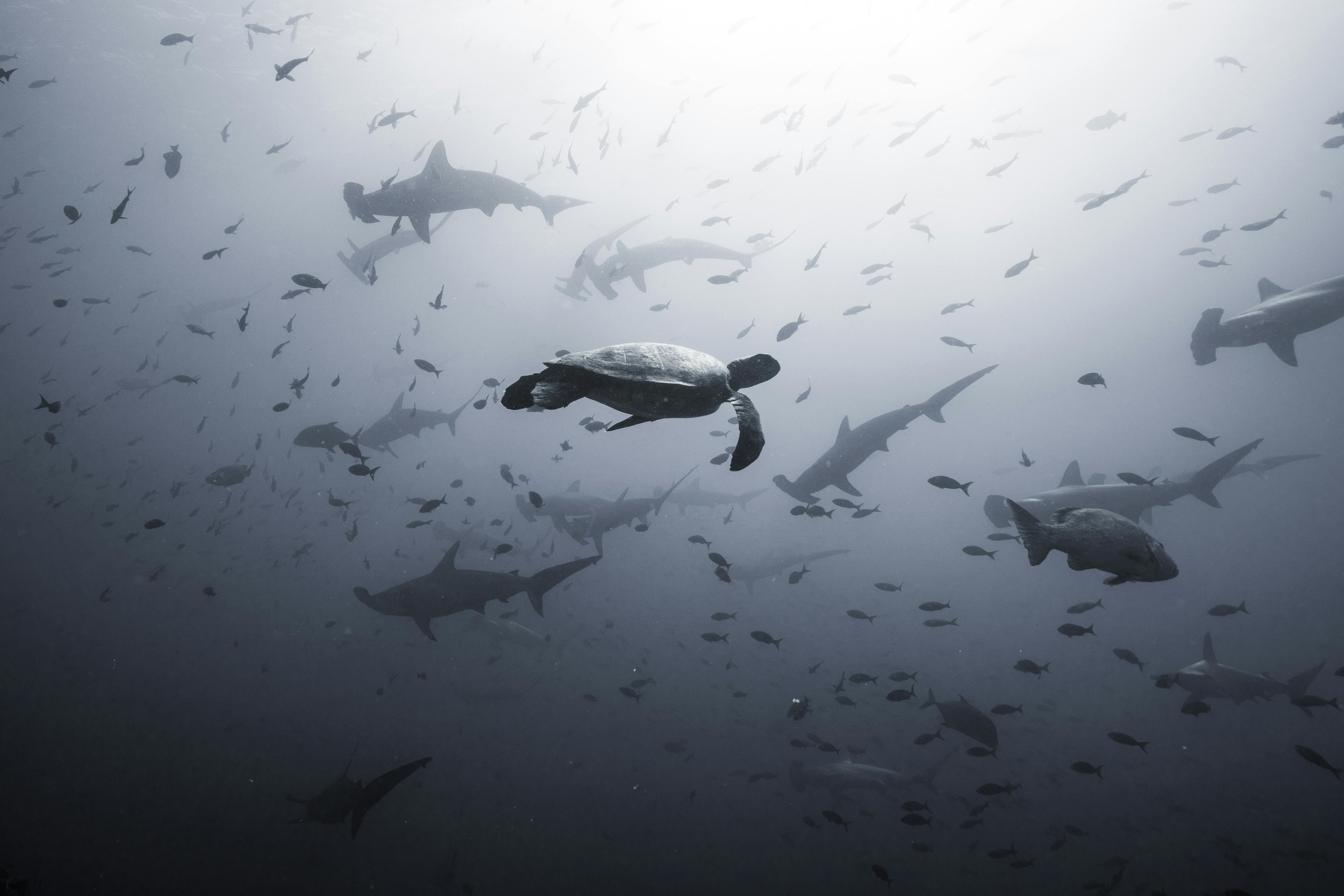
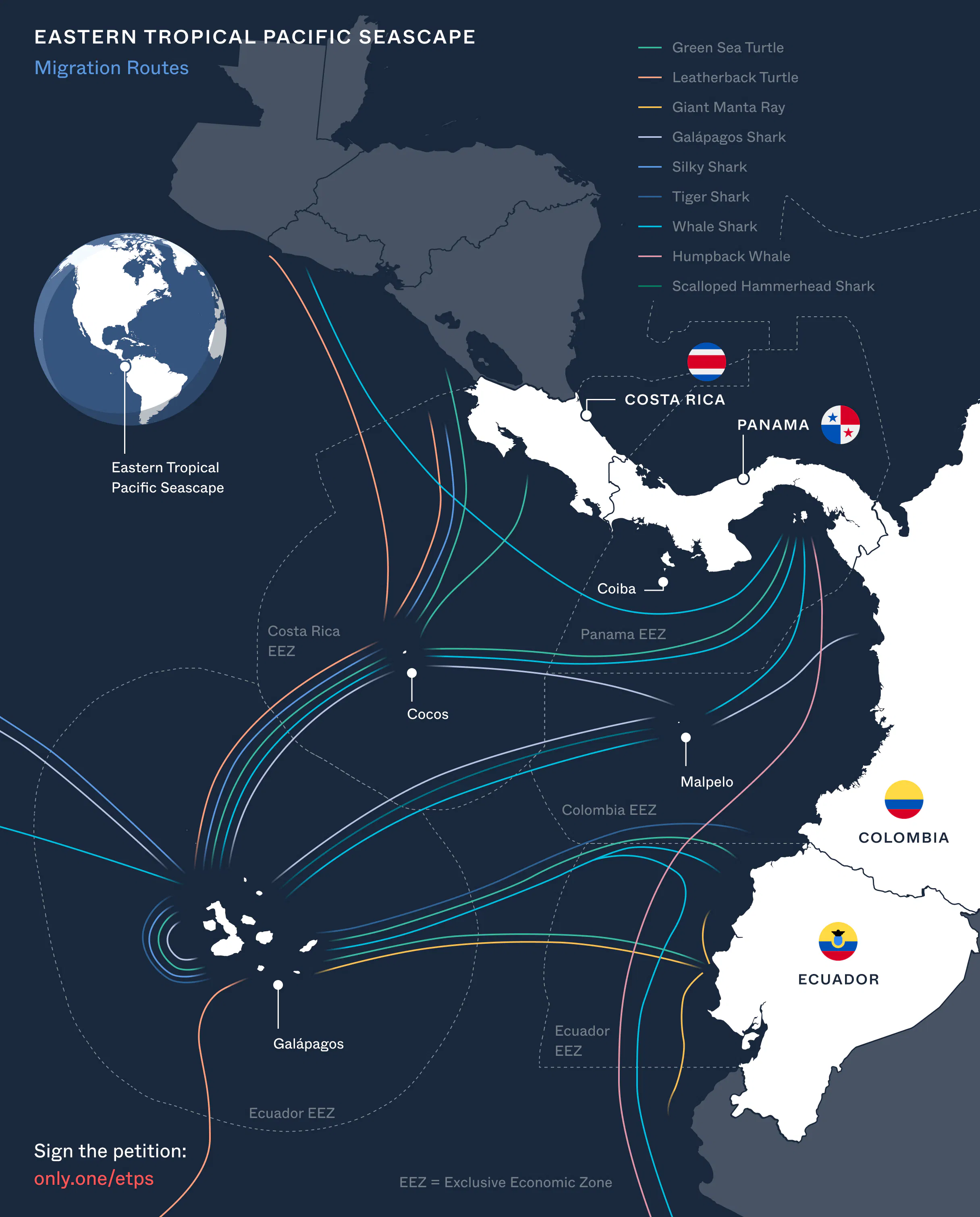
Just as it’s possible for us to travel from city to city within a metropolitan area, so too are there routes for species to move between the “cities” of the ETP Seascape.
These “highways” are ocean corridors through which species migrate and nutrients are shared, which we can liken to a transport network on land for people, goods, and services. When everything is working well, the result is a powerful, connected ecosystem.
Today, the vibrant “marine metropolitan area” of the ETP Seascape and the people who depend on it are under threat.
Pollution, habitat destruction, and climate change are all serious issues, but the primary and most direct threat is industrial fishing. Distinct from smaller-scale and artisanal fishing, the dangers of industrial fishing are immense. Both domestic and foreign industrial fishing fleets engage in overfishing and illegal, unreported, and unregulated (IUU) fishing. Their operations frequently result in troubling amounts of “bycatch”—the catching of non-target species which are often discarded once injured or dead, or illegally landed and exported for profit. Some Ecuadorian boats report a staggering 50 percent of their catch as bycatch.

If we change nothing, we are charting a course to extinction for symbolic and critical marine species.
The decline of these species has drastic negative effects on the health of the global ocean and on the economies and sustainable progress of the four nations overseeing the ETP Seascape. Take scalloped hammerhead sharks, for example: unsustainable and illegal fishing practices have reduced their numbers by 50 percent since the 1990s; characteristically low reproduction rates leave them vulnerable to further collapse. When a top predator starts to disappear, the entire food web is disrupted. Coastal communities who rely on the ocean for their income and sustenance then suffer the worst effects.
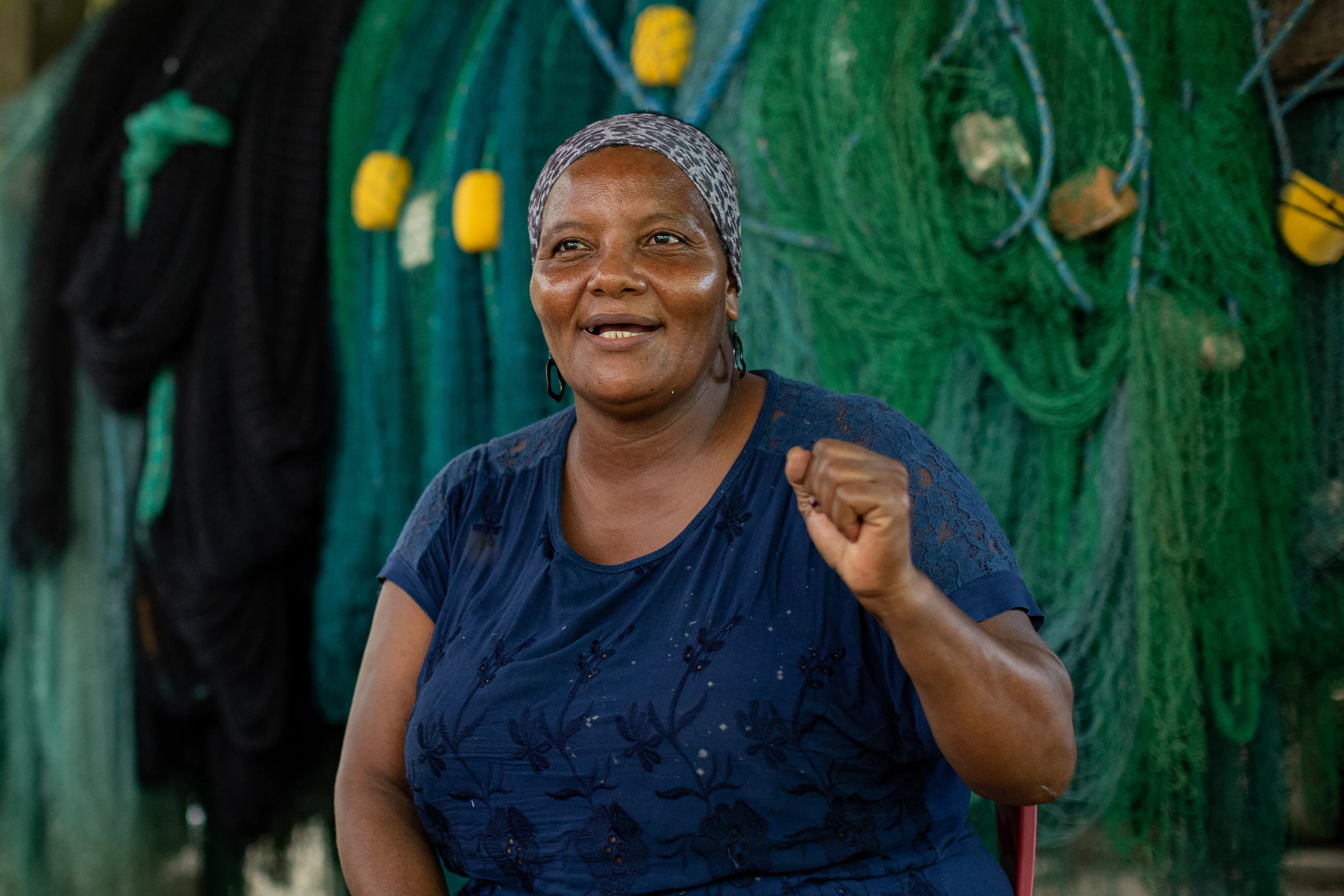
“It’s not just one or two families. It’s hundreds of families, for whom fishing is a livelihood.” – Neisi Quintero, Artisanal fisher

III. Connecting the Dots
This is where marine protected areas (MPAs) come into play.
Setting aside areas of ocean for protection gives us the ability to safeguard vulnerable and endangered species, reverse existing adverse impacts on ecosystems, increase resilience to climate change, and maintain ocean services for the people who depend on them most of all—and for everyone on the planet.


So how much of the ETP Seascape is currently designated as MPAs?
The answer: not enough.
Despite encompassing some of the planet’s most important biodiversity hotspots, the ETP Seascape is vastly underprotected when we think about the monumental threats it is facing—currently, only ten percent has some level of protection. At the same time, existing MPAs in the region are fragmented. In the unprotected gaps along migratory routes—also known as “swimways”—industrial fishing vessels lie in wait in order to extract marine species as soon as they “step out” of protected areas.
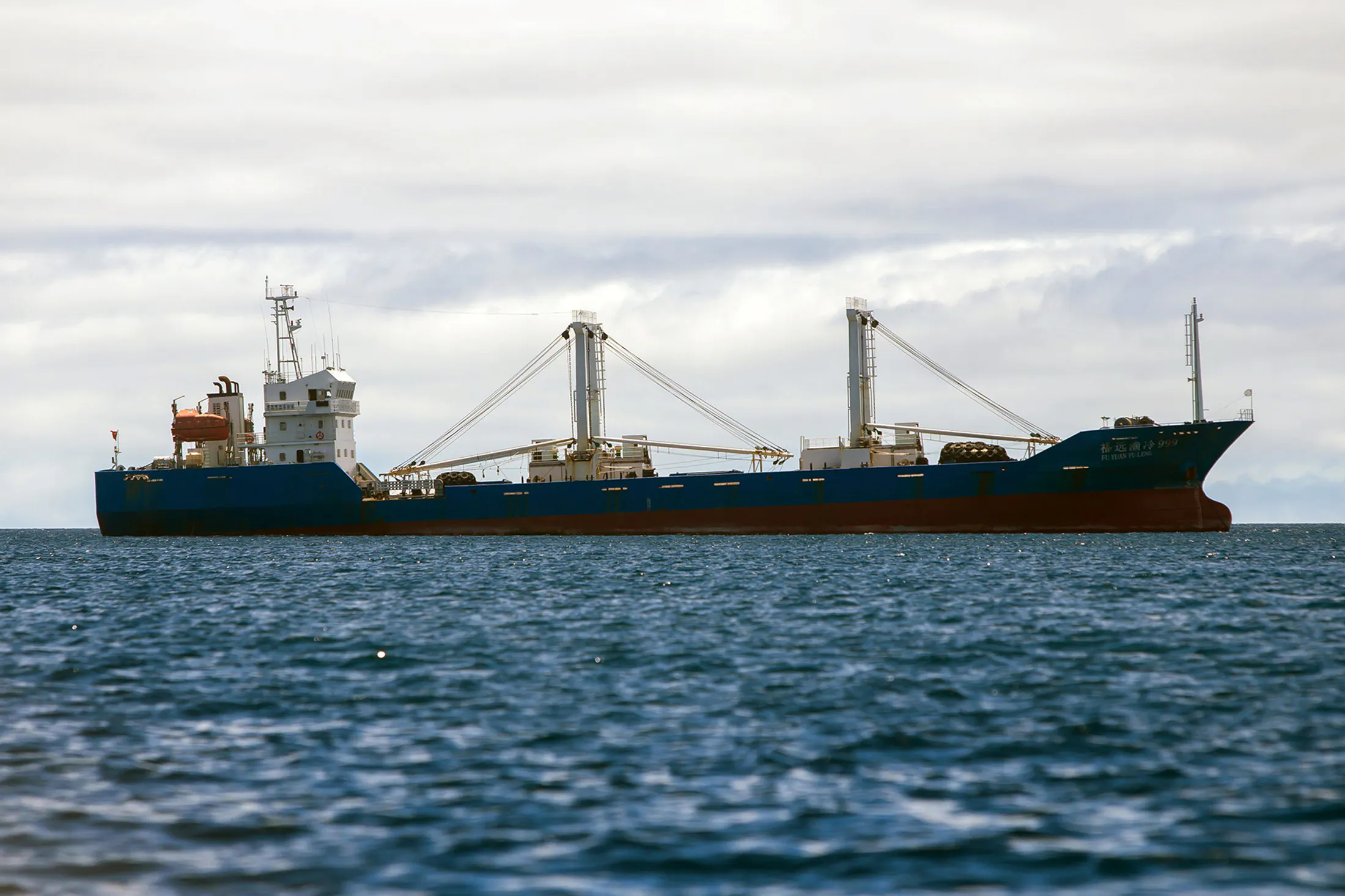
Since 2018, 136 vessels from Ecuador’s own industrial fishing fleet, one of the biggest in Latin America, have entered the Galápagos Marine Reserve, where fishing is not permitted. Panama and Costa Rica are among the world’s top exporters of shark meat, which is troubling given that global shark and ray populations have experienced a severe drop of more than 70 percent in the past 50 years. Colombia has set a wonderful example by banning shark fishing in its entirety in 2020—but other examples of damaging fishing practices abound.
Marine species have no concept of human-imposed borders; they have no line of defense against being caught. If we return to the idea of the ETP Seascape as a “marine metropolitan area,” this means there is no guaranteed safe passage along the “highways” between “cities.” Instead, these all-important highways end up acting as death traps.

For the ETP Seascape to survive and thrive, a robust “blue belt” of marine protection is needed, so vital sites are no longer isolated but rather connected.
If Ecuador, Costa Rica, Panama, and Colombia each extend and unify existing and new MPAs, it will offer protection to sharks, sea turtles, marine mammals, many other migratory species, and commercially important species such as yellowfin, bigeye, and skipjack tuna. It will benefit as yet unexplored submarine mountain ranges, and help guarantee food security for local communities. It will enable the four nations to reach the crucial target of protecting 30 percent of their ocean by 2030, and generate flourishing tourism, recreation, and scientific research in the long term. It will facilitate a more sustainable fishing sector, reducing bycatch and encouraging the “spillover effect,” where fish populations of commercial importance are replenished in MPAs and then “spill over” to adjacent waters that support fishing communities. The stakes are high; the rewards extraordinary.

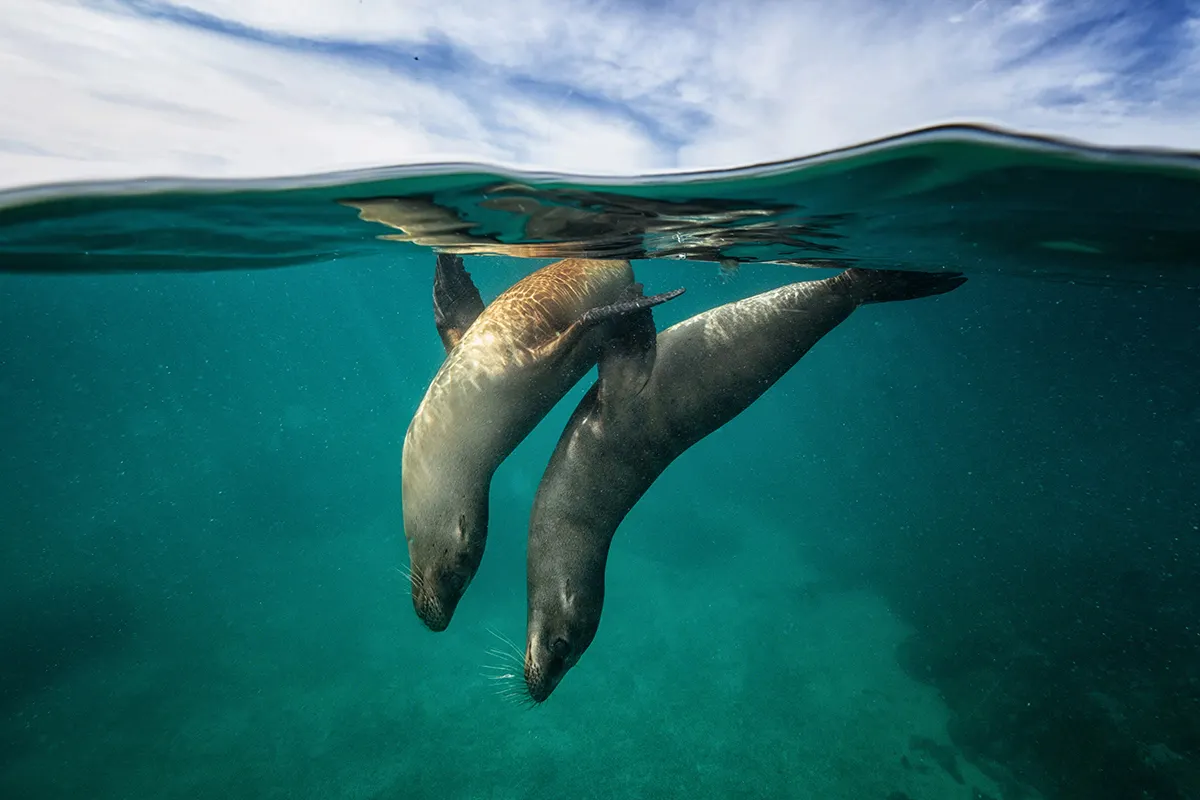
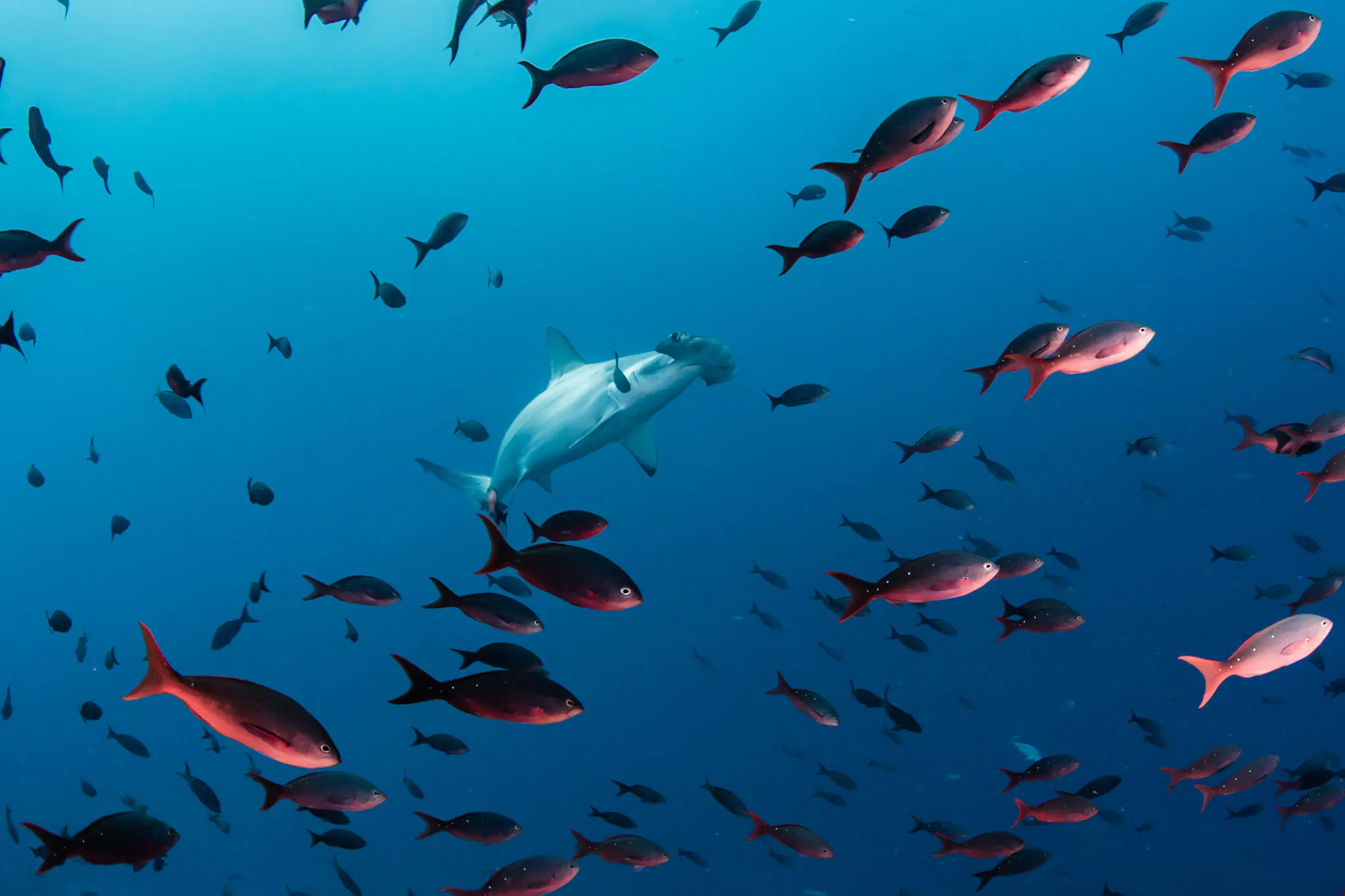
Together, we can all help foster collective action to achieve greater marine protection in the ETP Seascape.
In May of this year, scientists were out at sea on a research vessel, collecting even more evidence to support increased protection of these stunning ocean corridors; artisanal fishers are adding their voices to calls to replenish the Pacific species that are as much as part of their identity as their livelihood; Central and South American activists are throwing their weight behind the campaign to increase ocean resilience in the places they call home, and are joined by other activists around the world.
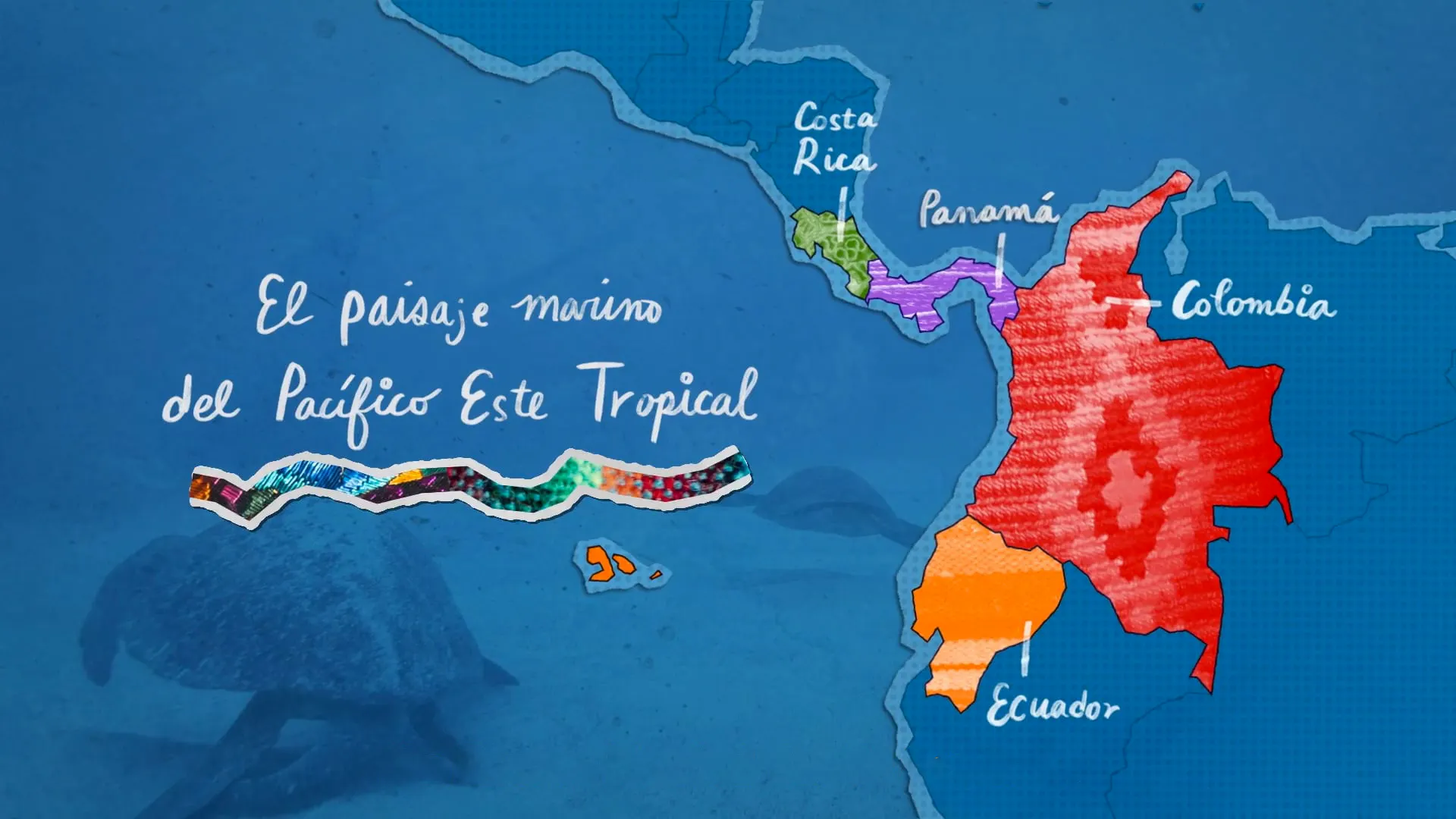
By calling on the governments of Ecuador, Costa Rica, Panama, and Colombia to establish the world’s first multinational network of MPAs, we can make a safe haven for marine species in the ETP Seascape a reality.
The gifts of this ocean region need to be able to continue flowing across borders, between species, and toward people—sustaining a healthy marine world for ocean-dwelling creatures and coastal communities alike.
Share this story
This interactive essay is part of The Jewel of the Pacific, a series from Only One that underscores the urgent need for the world’s first multinational network of marine protected areas.