
Explainer
Plastic Waste
The Impacts, Species by Species
Vast amounts of plastic waste are harming life everywhere in our seas, from remote ocean depths to sandy shorelines.
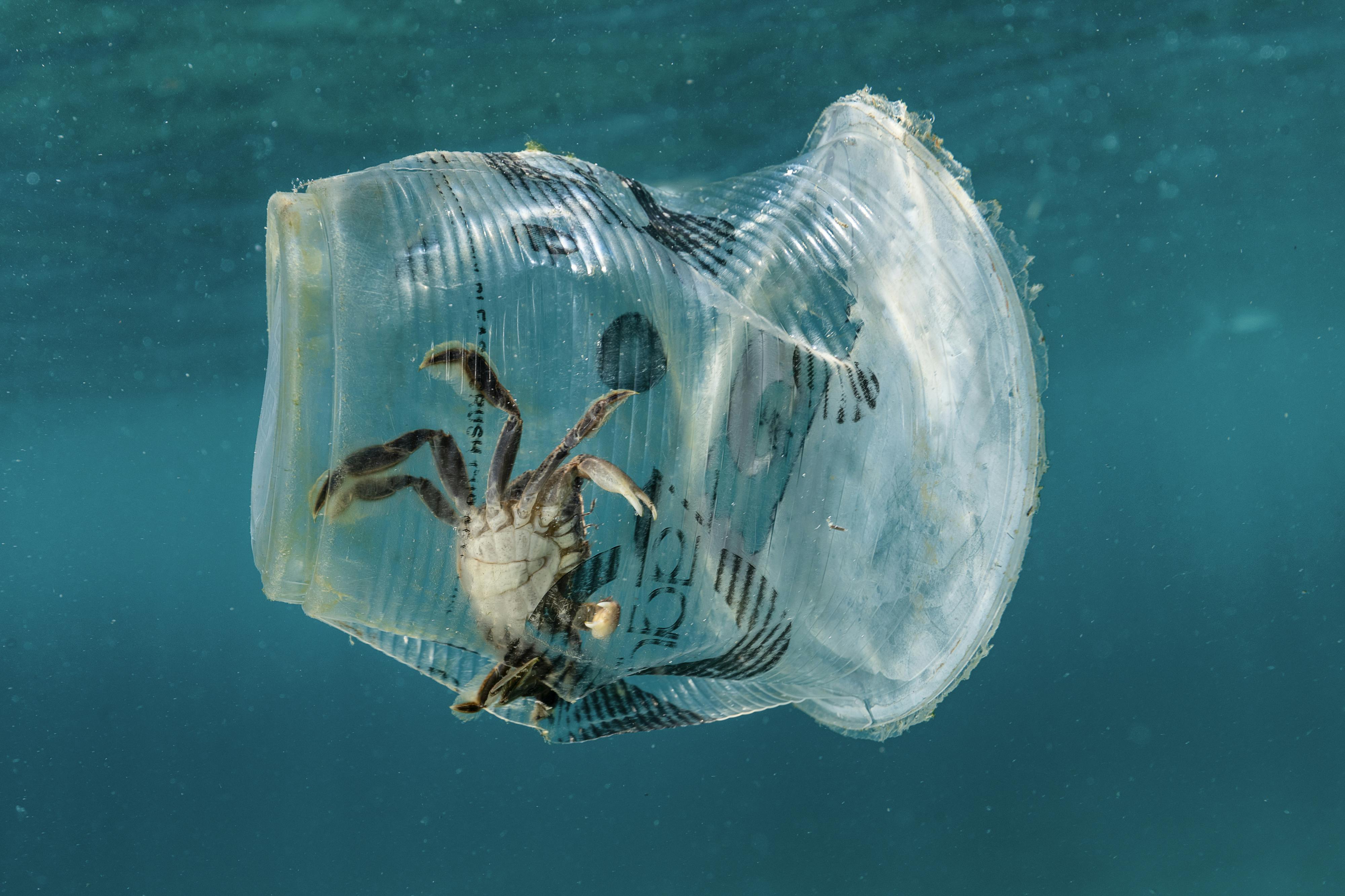
At least 800 marine species are suffering injuries or dying because of plastic pollution, some of which are endangered. But the global plastics crisis is having an outsized impact on certain creatures.
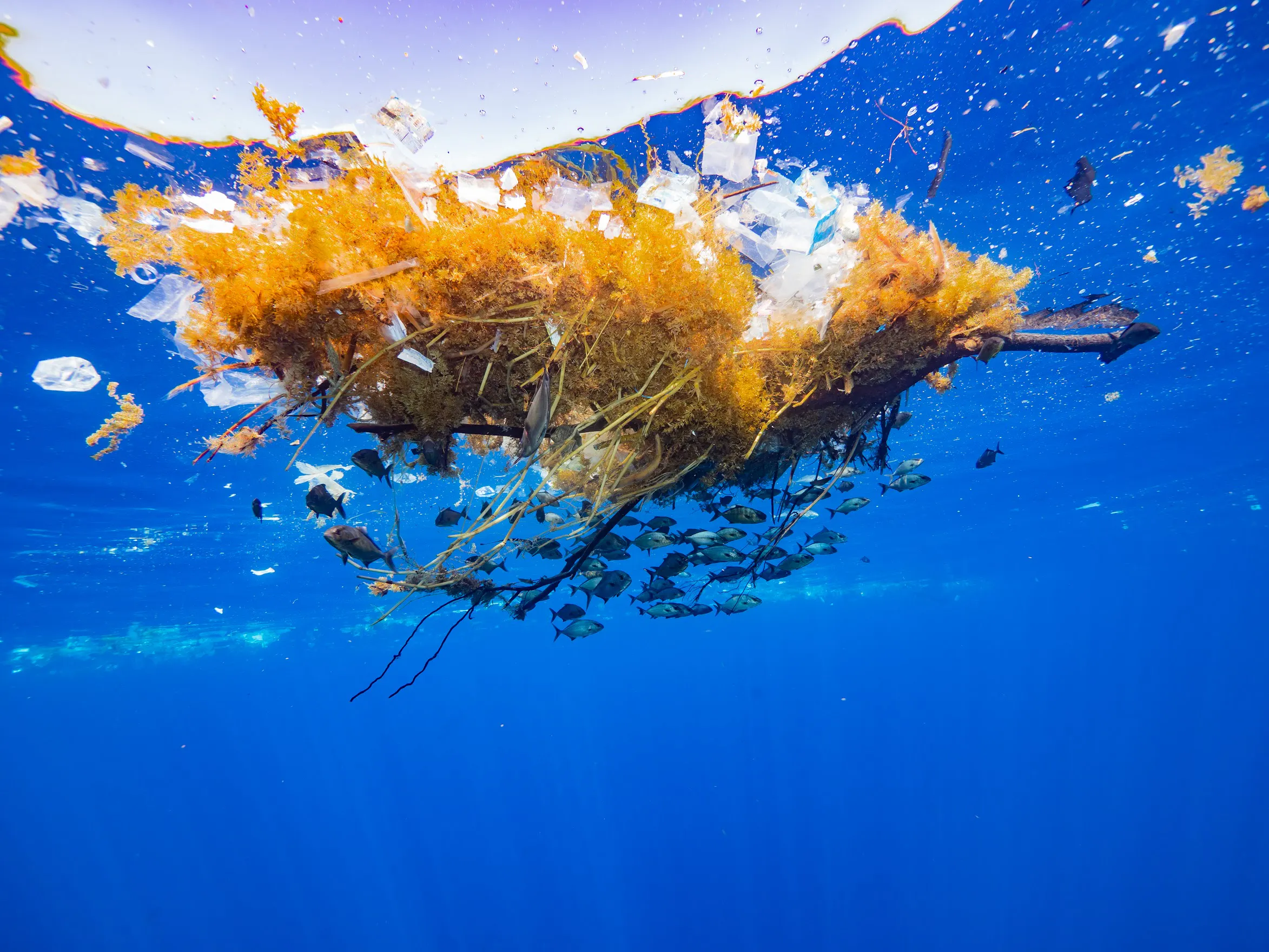
Endangered green sea turtles are highly likely to ingest plastic when they see it, often mistaking plastic bags for algae or seagrass. This can cause intestinal blockages or disrupt their growth and reproduction, threatening future generations.

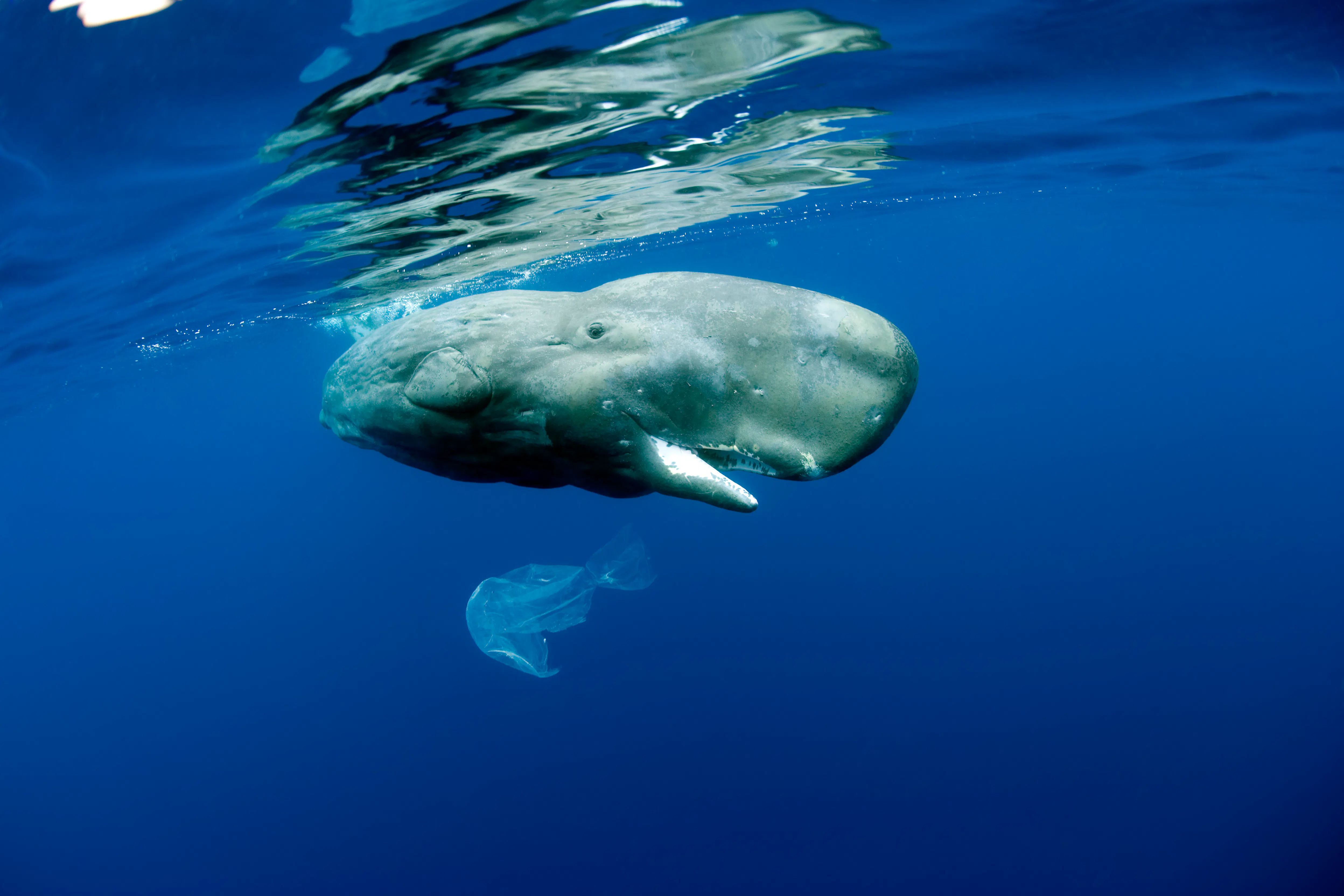
Sperm whales foraging for squid are known to accidentally eat plastic bags and sheeting instead. If they feel full after ingesting the plastic, they can become confused and stop eating altogether. Many sperm whales die from malnutrition for this reason, while others have difficulty swimming and collide with ships.
An estimated 90 percent of seabirds consume plastic trash, and virtually all of them will do so by 2050. Even the eggs of some seabirds have been found to be contaminated with microplastics. Albatrosses, which skim the ocean surface for food, are especially prone to unintentionally swallowing plastic.
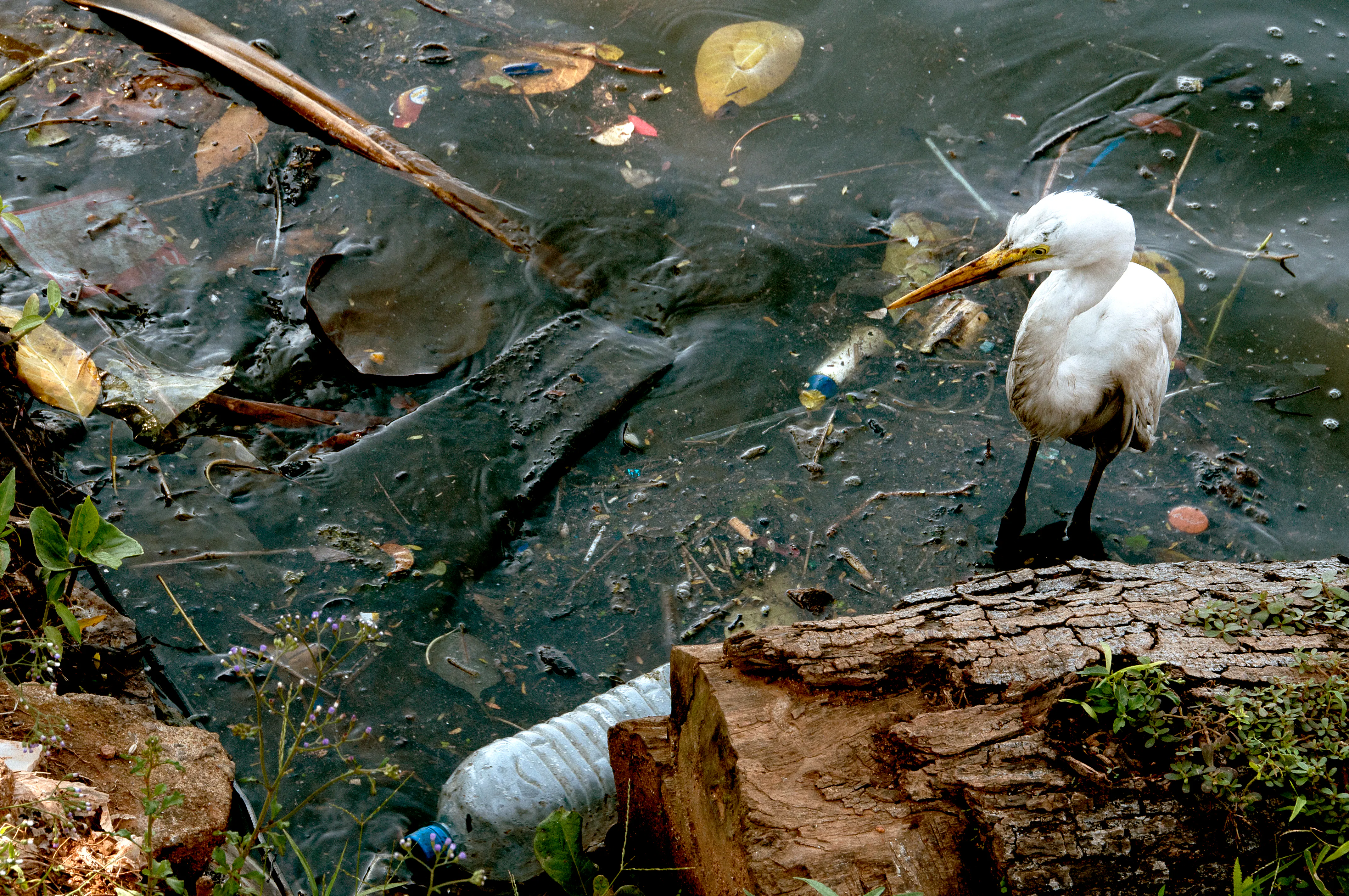
Certain migratory species that move between polluted waters are extraordinarily vulnerable. Endangered Irrawaddy dolphins, for instance, ingest lethal plastic particles and get caught in discarded plastic fishing nets in the Mekong river basin.
Unless world leaders commit to addressing plastic pollution, countless marine species will continue to suffer often fatal consequences.

More Explainers
Sources
Pew: Plastic Pollution Affects Sea Life Throughout the Ocean
WWF: Whales and the plastics problem - the deadliest predator in the sea may not be what you think.
PNAS: Threat of plastic pollution to seabirds is global, pervasive, and increasing
Oceana: Choked, Strangled, Drowned: The Plastics Crisis Unfolding in Our Oceans
Mongabay: Not just sea life: Migratory fish, birds and mammals also fall foul of plastic
The New Humanitarian: How Microplastics Are Contaminating Seabirds in Remote Regions of Alaska