
Overwhelming evidence shows that well-placed, well-managed, and well-enforced marine protected areas (MPAs) help marine populations rebound and flourish, and they renew biodiversity in surrounding areas.
Blue Park Awards celebrate those MPAs that are contributing to biodiversity conservation. Science-based criteria provide the blueprints for Blue Parks. Marine Conservation Institute launched Blue Parks in 2017.
Read on to discover 16 Blue Parks that are contributing to this effort to protect the ocean and all the life it sustains.
1
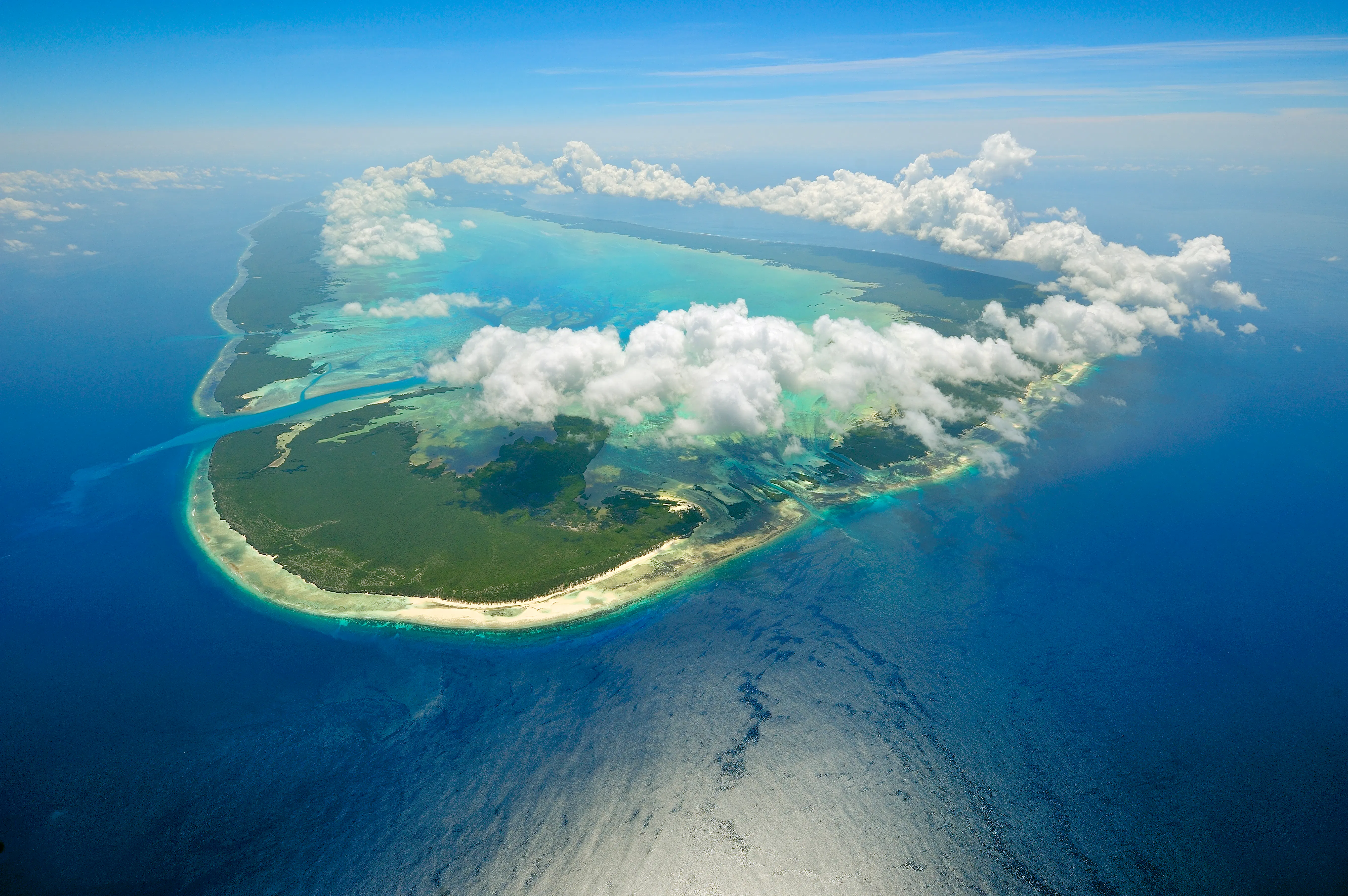
Aldabra Atoll Special Reserve · Seychelles
Award Level: Platinum (2019) Total Marine Area: 2,599km2
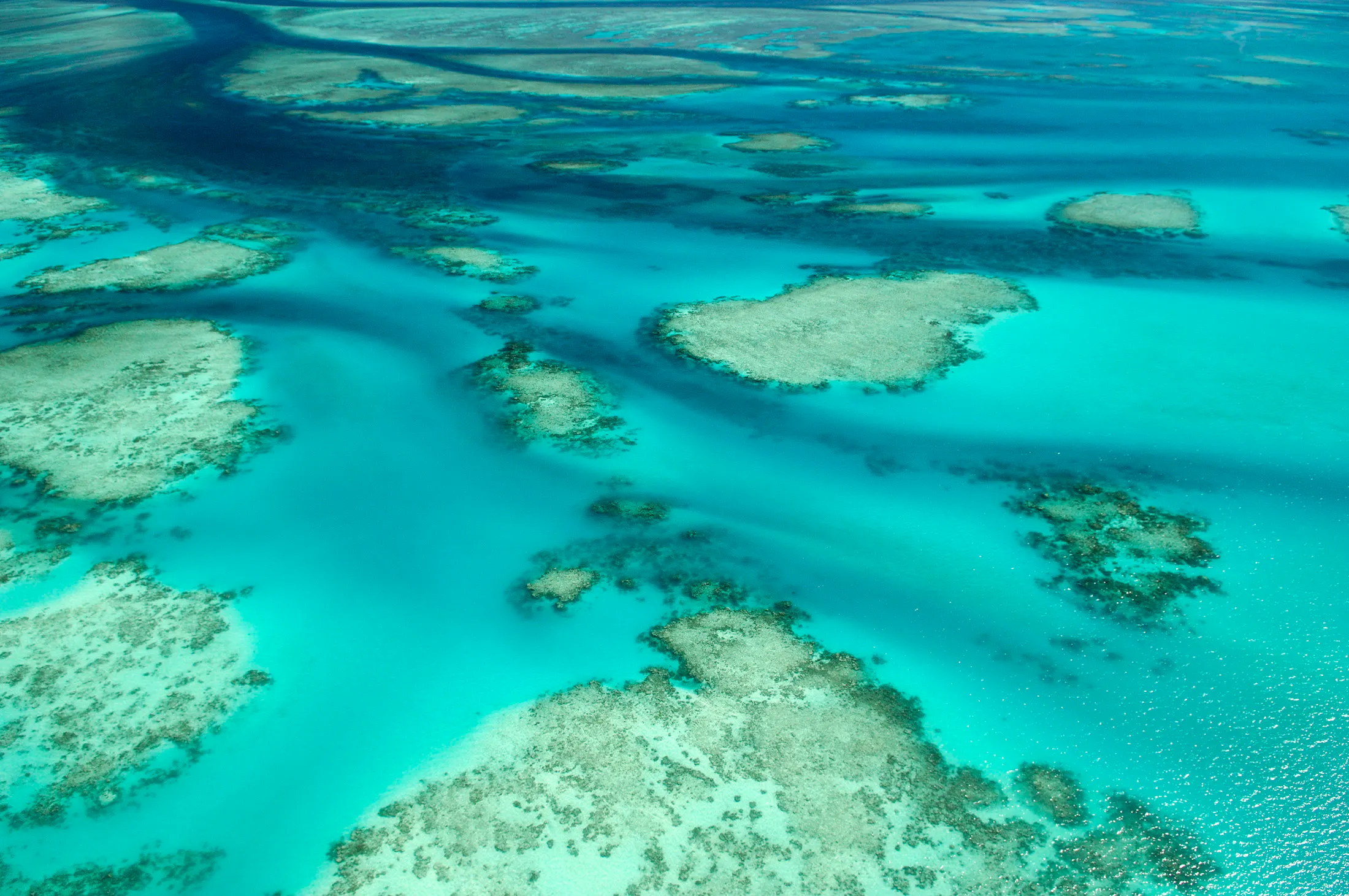
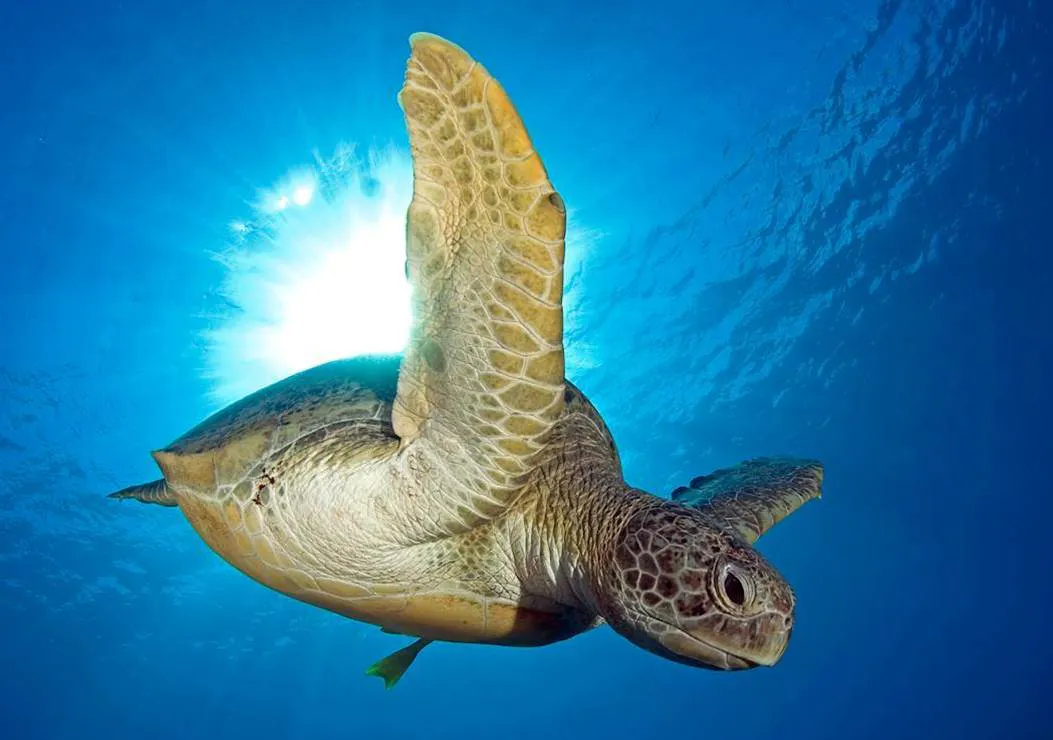
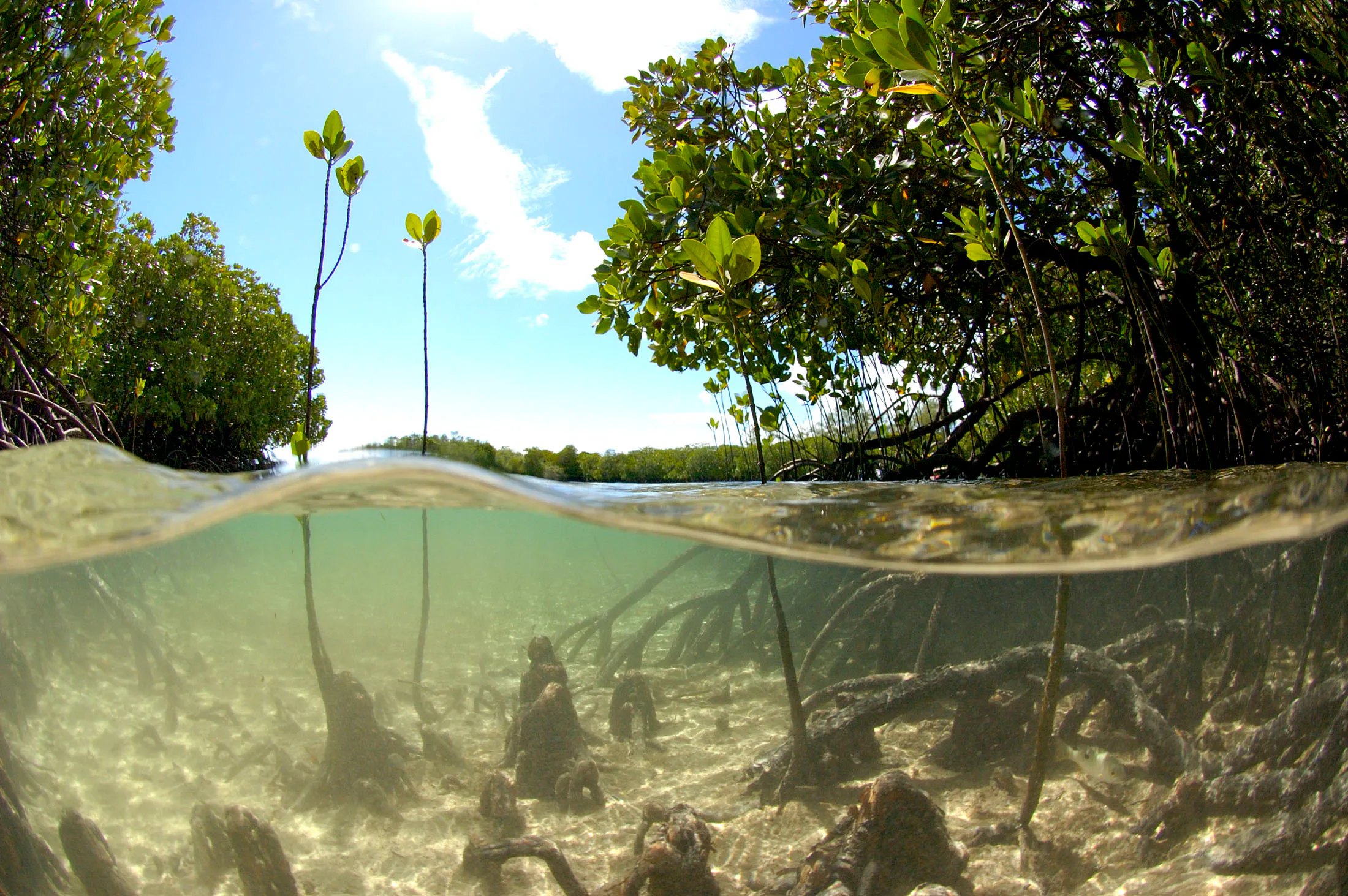
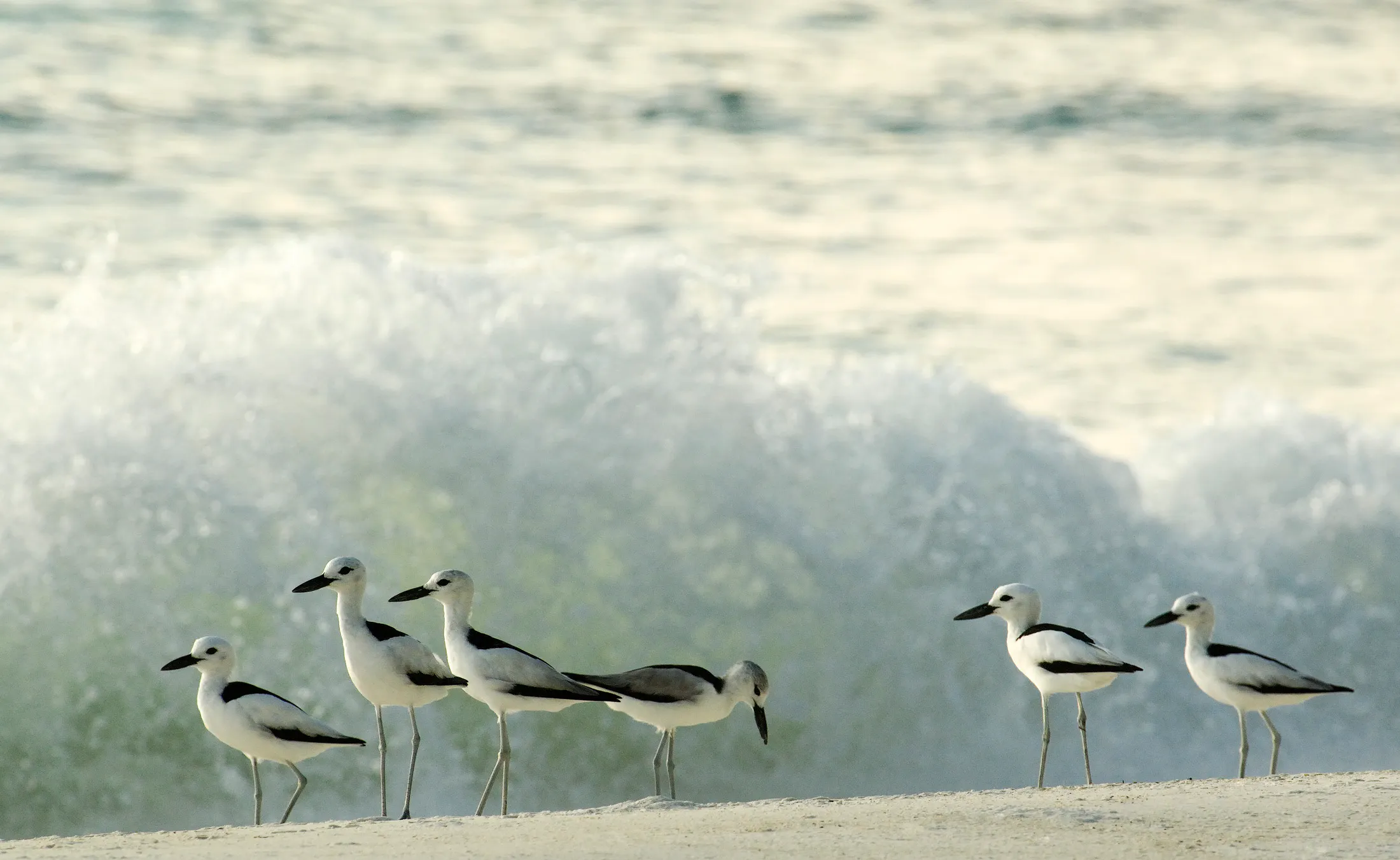
Aldabra Atoll Special Reserve is incredibly remote with limited human accessibility, allowing the ecosystem to thrive and maintain near-pristine coral reefs that are considered a biodiversity hotspot. It also protects mangroves, seagrass beds, rocky shorelines, and sand bars. Aldabra Atoll Special Reserve is incredibly valued by local communities in the Seychelles. It is described as Seychelles’ crown jewel and even has its own anthem!

2
Chumbe Island Coral Reef Sanctuary · Tanzania
Award Level: Gold (2019) Total Marine Area: 0.7km2
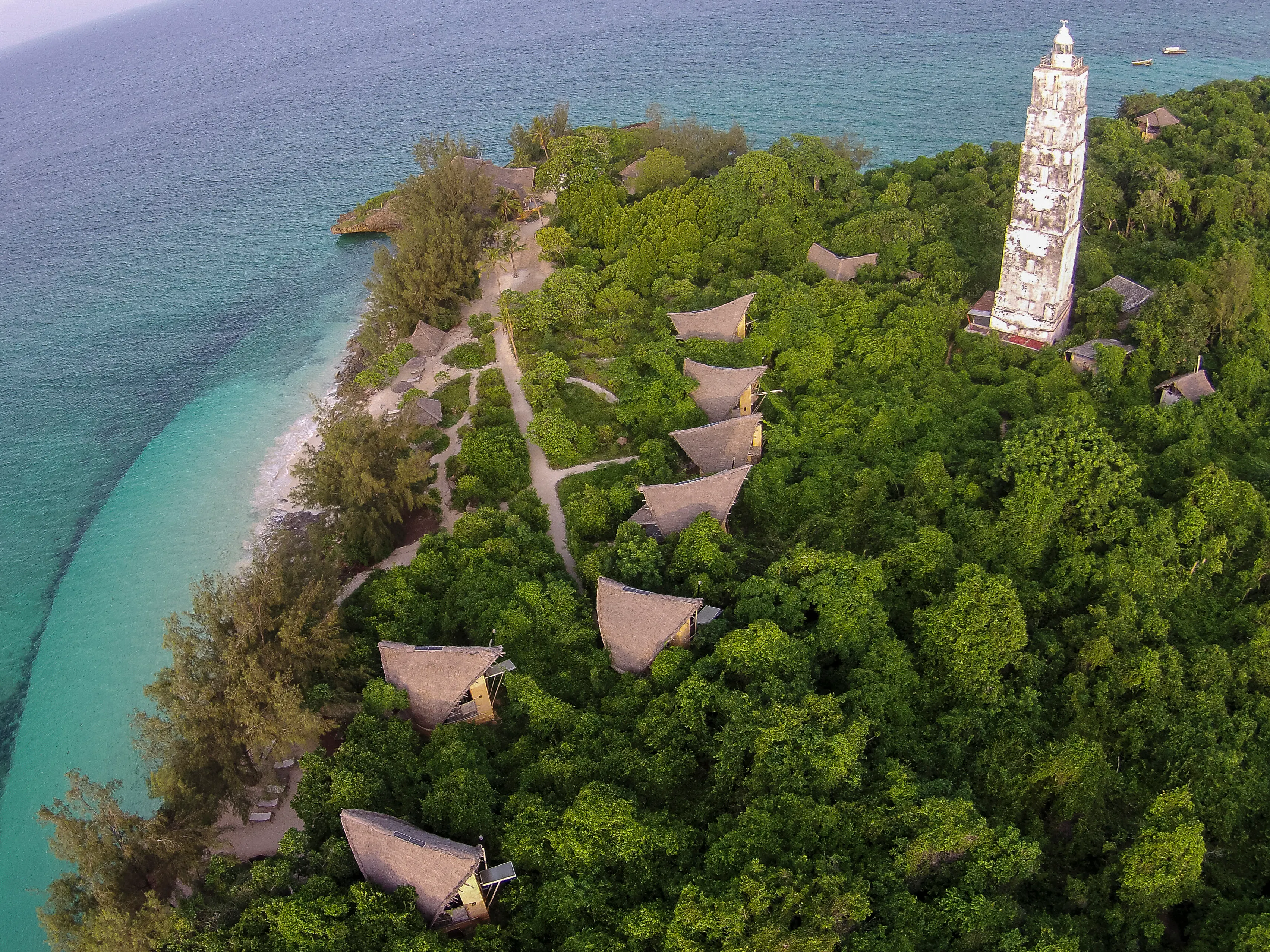
Chumbe Island Coral Reef Sanctuary is a small island off the coast of Zanzibar, Tanzania that is primarily funded by tourism revenue. The sanctuary protects incredible marine biodiversity and has some of the most resilient coral reefs in the Western Indian Ocean due to a lack of stressors. It creates employment opportunities for local communities, and Indigenous rights are integrated into its management. The fisheries spillover effect from the sanctuary is well-known and appreciated by local fishers, thus there is little threat to the no-take area.
3
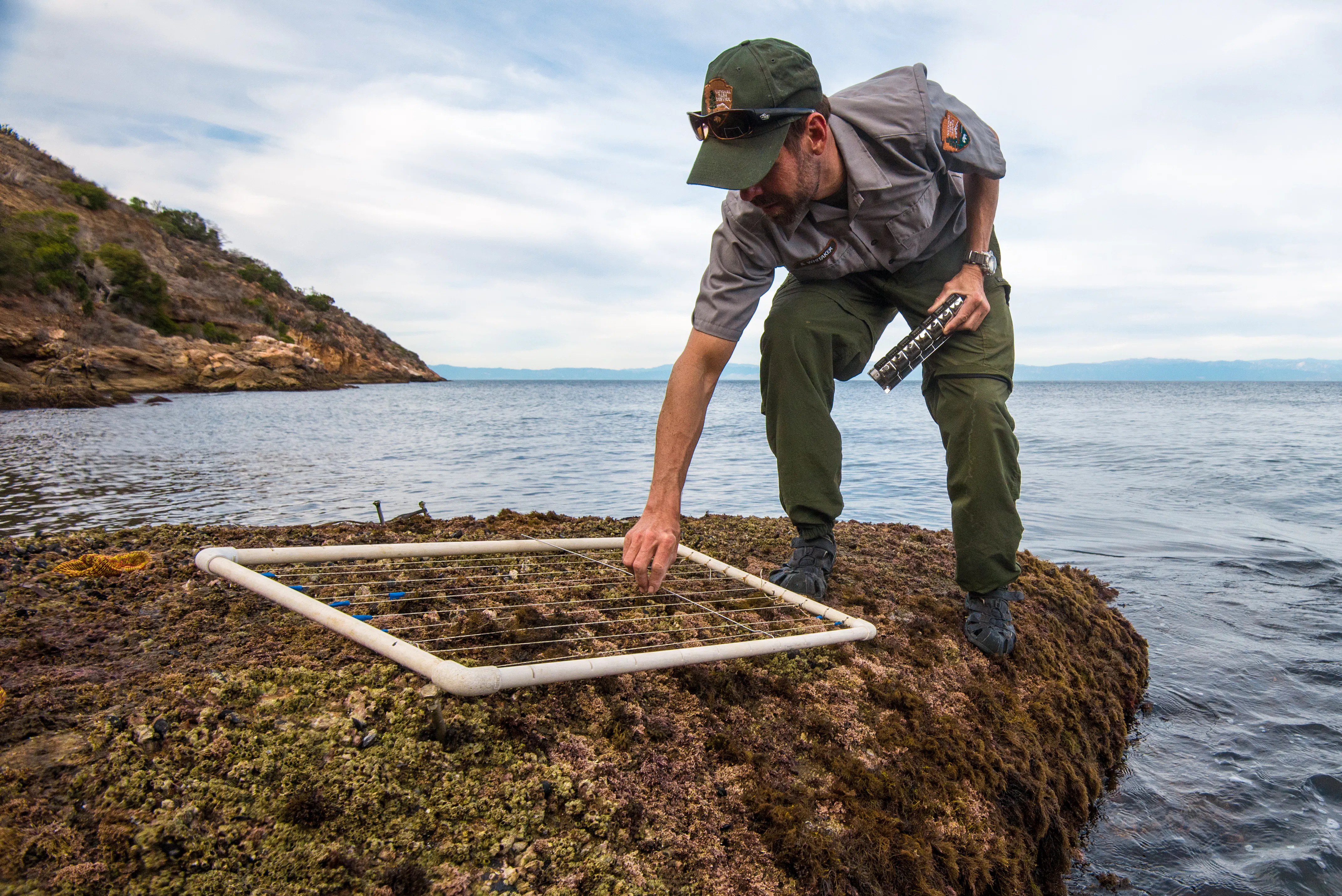
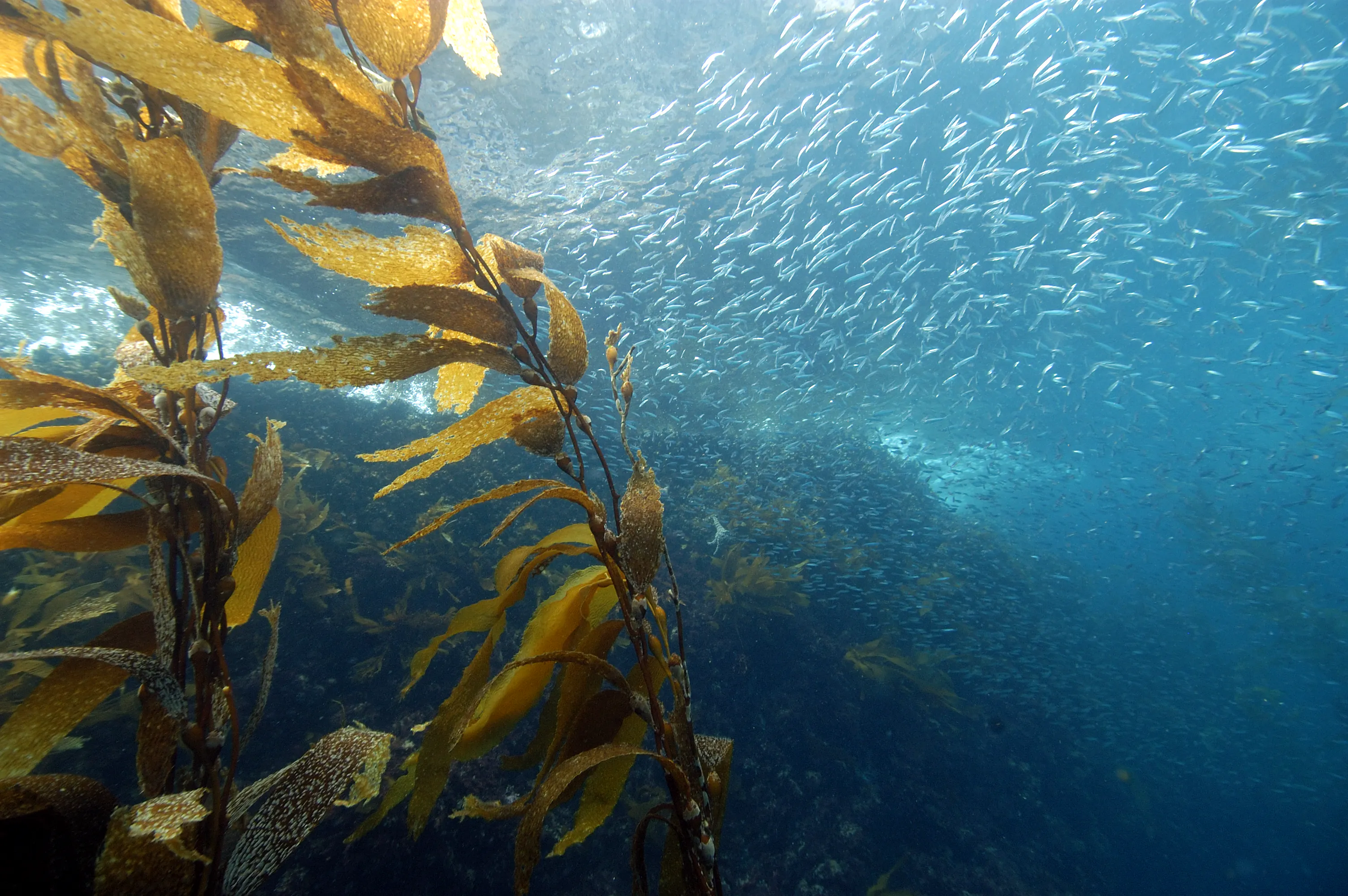
Northern Channel Islands · The US
Award Level: Platinum (2019) Total Marine Area: 3,804km2 The network of marine protected areas around the Northern Channel Islands protects a variety of marine ecosystems such as rocky intertidal habitats, seagrass beds, giant kelp forests, and deep-sea coral gardens. It’s considered a seabird aggregation hotspot—sandy beaches and rock formations provide foraging and rest habitats for over 195 species of migratory seabirds using the Pacific Flyway.


4
Ilhas Selvagens · Portugal
Award Level: Gold (2018) Total Marine Area: 1,245km2
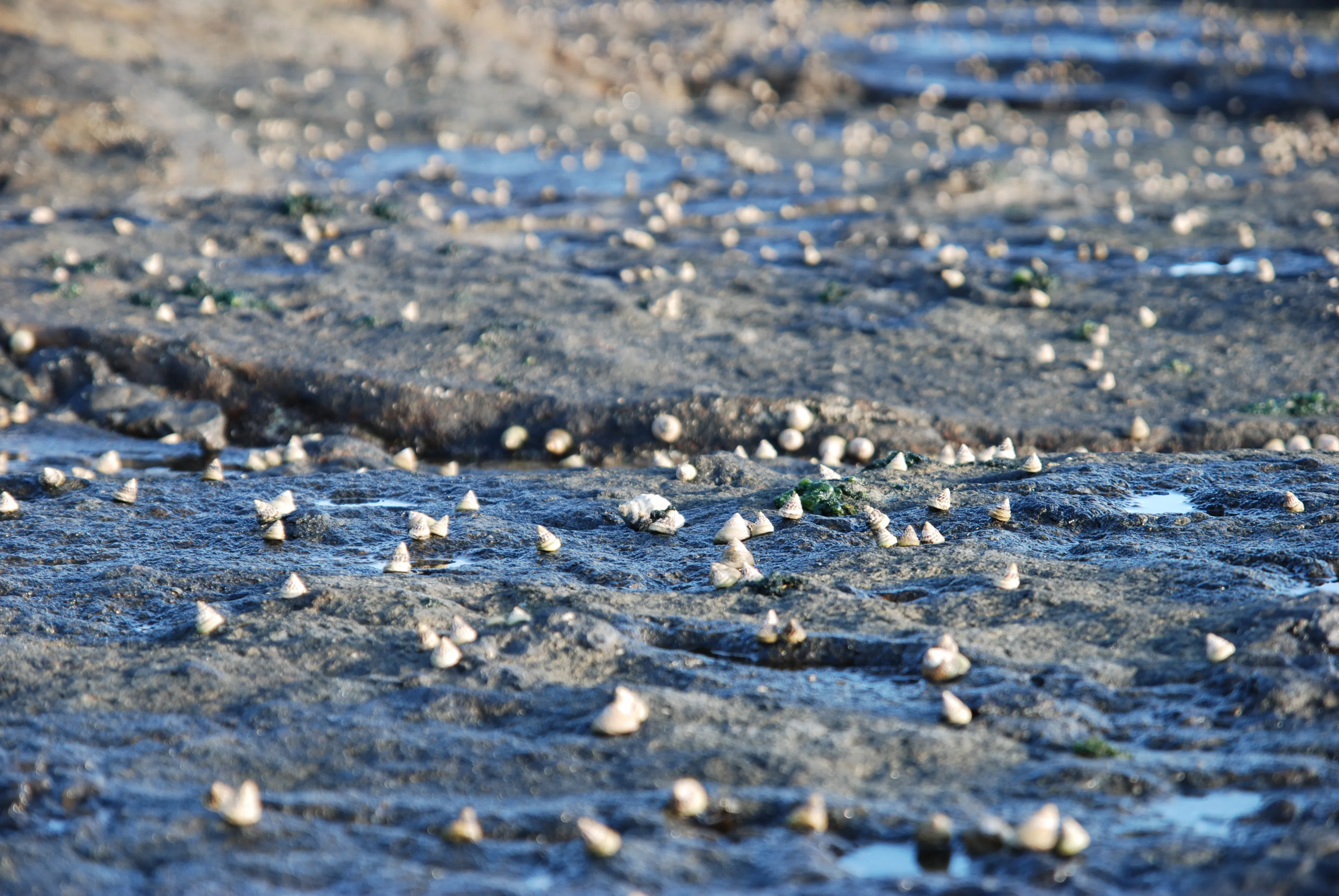
Ilhas Selvagens is one of the last intact marine ecosystems in the North Atlantic, including diverse habitats such as mudflats, coves, and shallow bays. The archipelago plays a fundamental role in the larval dispersal of species from many geographical origins and may aid the colonization of new areas. The reserve is important for numerous IUCN red listed species, including white-faced storm petrels, fin whales, loggerhead sea turtles, and sperm whales. It has a very comprehensive environmental education program that has brought public support for the reserve.
5
Area Marina Protetta di Torre Guaceto · Italy
Award Level: Silver (2019) Total Marine Area: 22.3km2
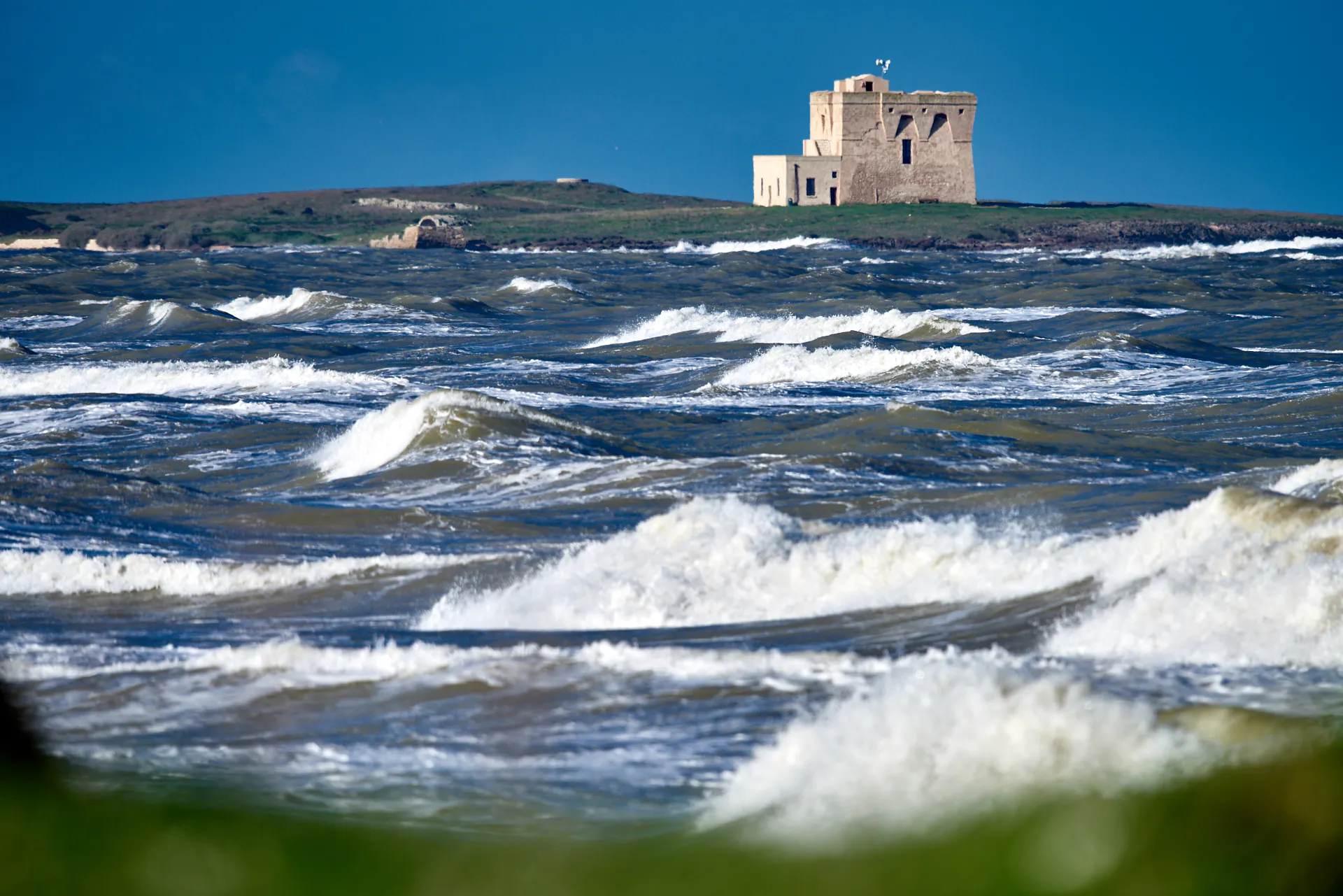
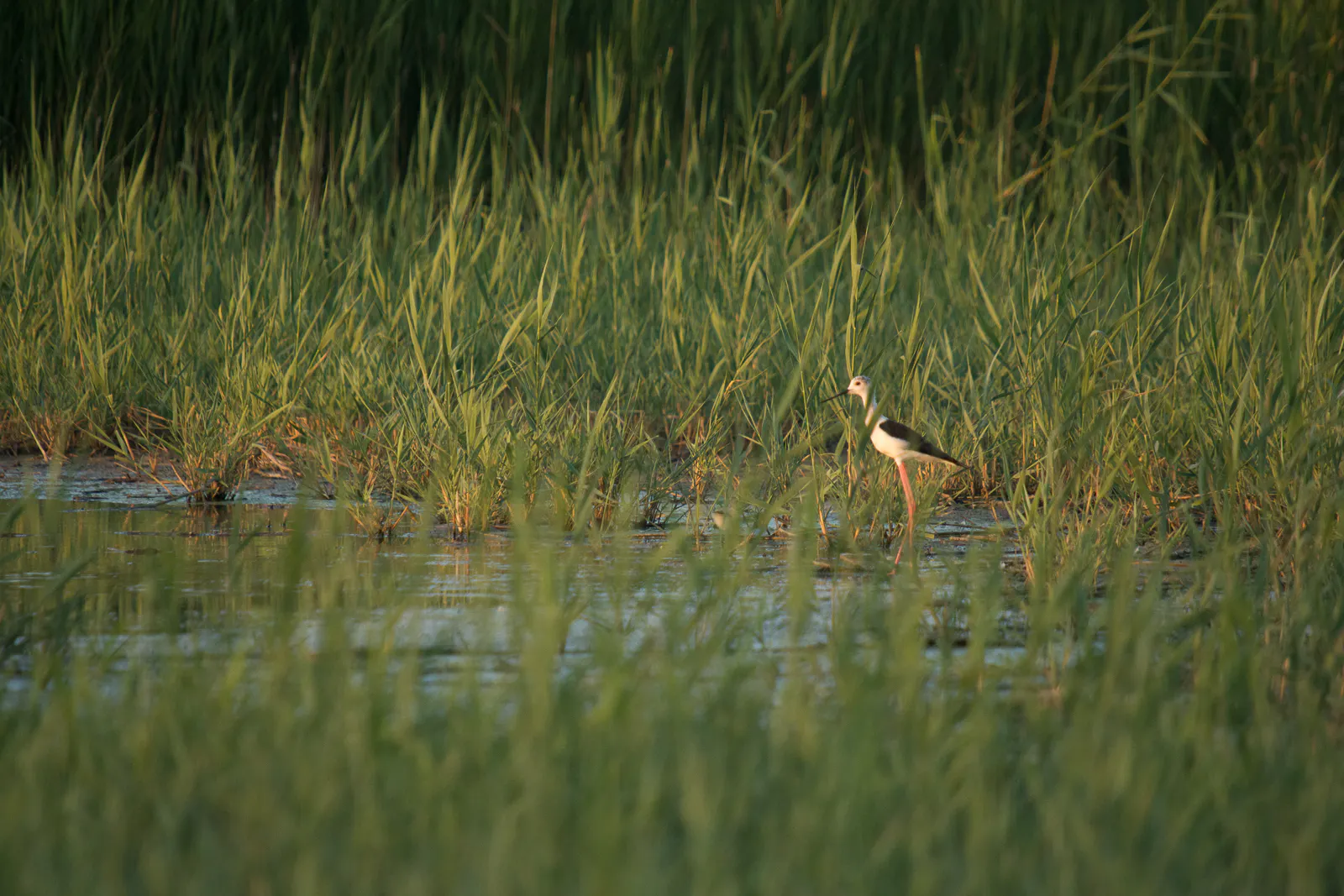
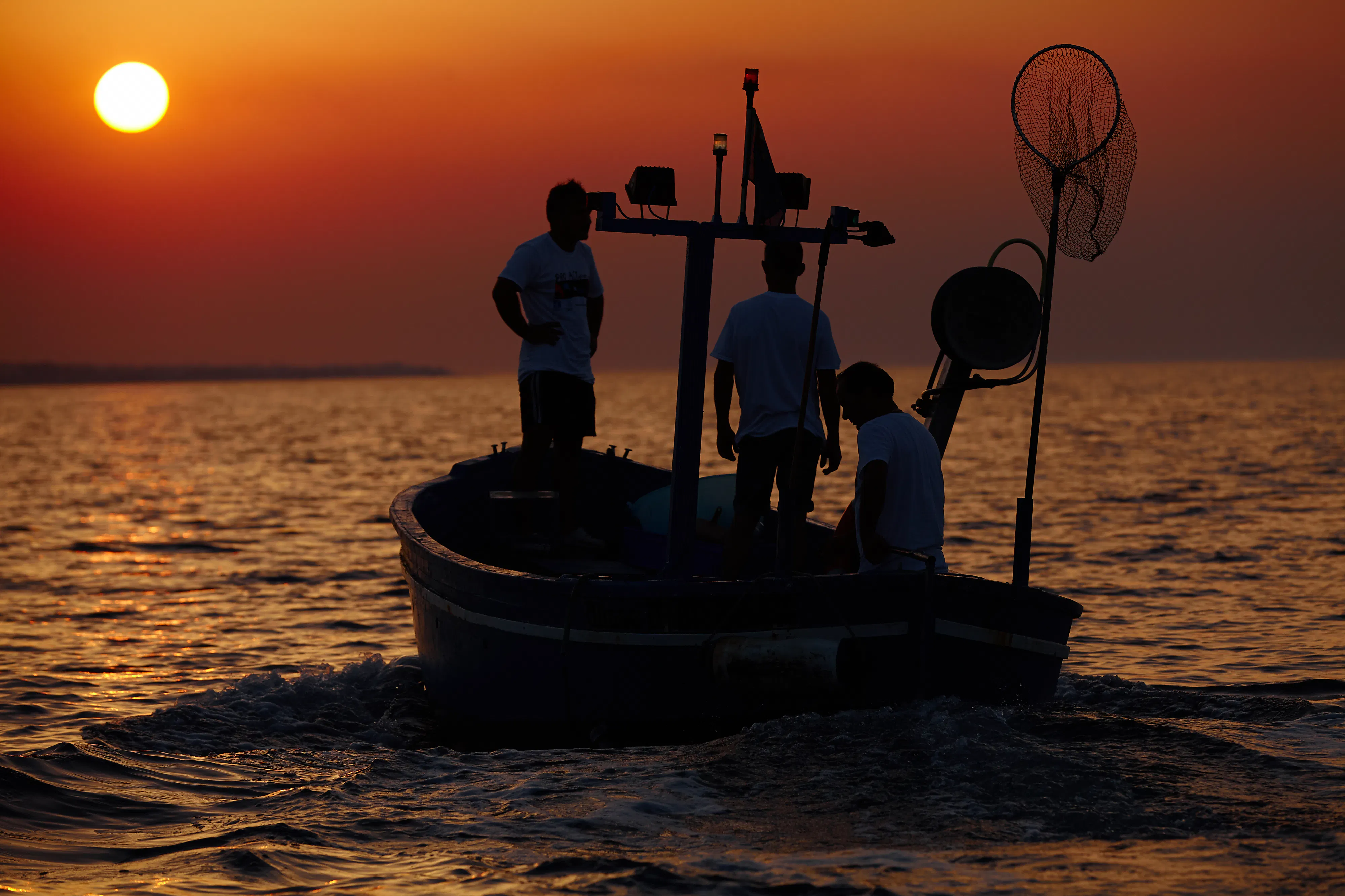
Area Marina Protetta di Torre Guaceto contains some of the highest species richness in the Mediterranean. Its seagrass meadows are comprised of Posidonia oceanica, an endemic species that provides habitat for fish, crustaceans, sponges, and mollusks. Management works collaboratively with local fishers to limit impact on predatory fish, juvenile fish, and benthic (sea bottom) communities while sustaining the fundamental economic and social role of artisanal fishing.

6
Papahānaumokuākea Marine National Monument · The US
Award Level: Platinum (2017) Total Marine Area: 1,508,870km2
Papahānaumokuākea Marine National Monument encompasses the ten small islands and atolls that are known as the Northwestern Hawaiian Islands, one of the most remote places in US waters. It protects 22 marine endangered species, including green sea turtles, Laysan ducks, and the Hawaiian monk seal. Native Hawaiians have great pride for the protected area and their contribution to it.

7
Tubbataha Reefs Natural Park · The Philippines
Award Level: Platinum (2017) Total Marine Area: 970km2
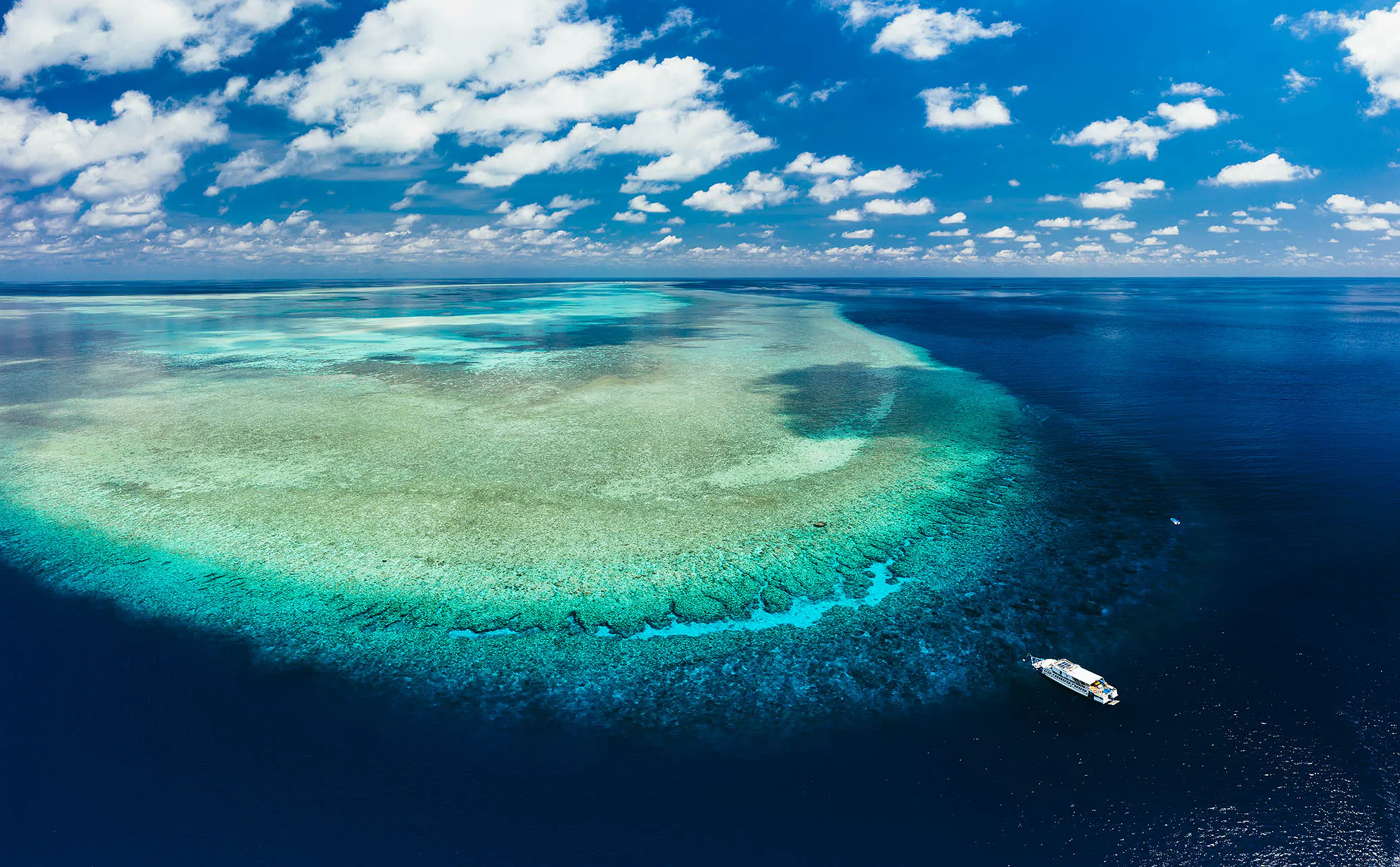
Tubbataha Reefs Natural Park is an exceptionally healthy and important reef system that provides a habitat for 181 threatened and endangered species. The local community, Cagayancillo, receives 10 percent of all tourism revenues from the park, and local residents are given priority for jobs in the park and make up part of the policy-making body. Fish biomass and coral cover have increased since the establishment of the marine protected area.

8
Reserva Marina de Galápagos · Ecuador
Award Level: Silver (2019) Total Marine Area: 138,000km2
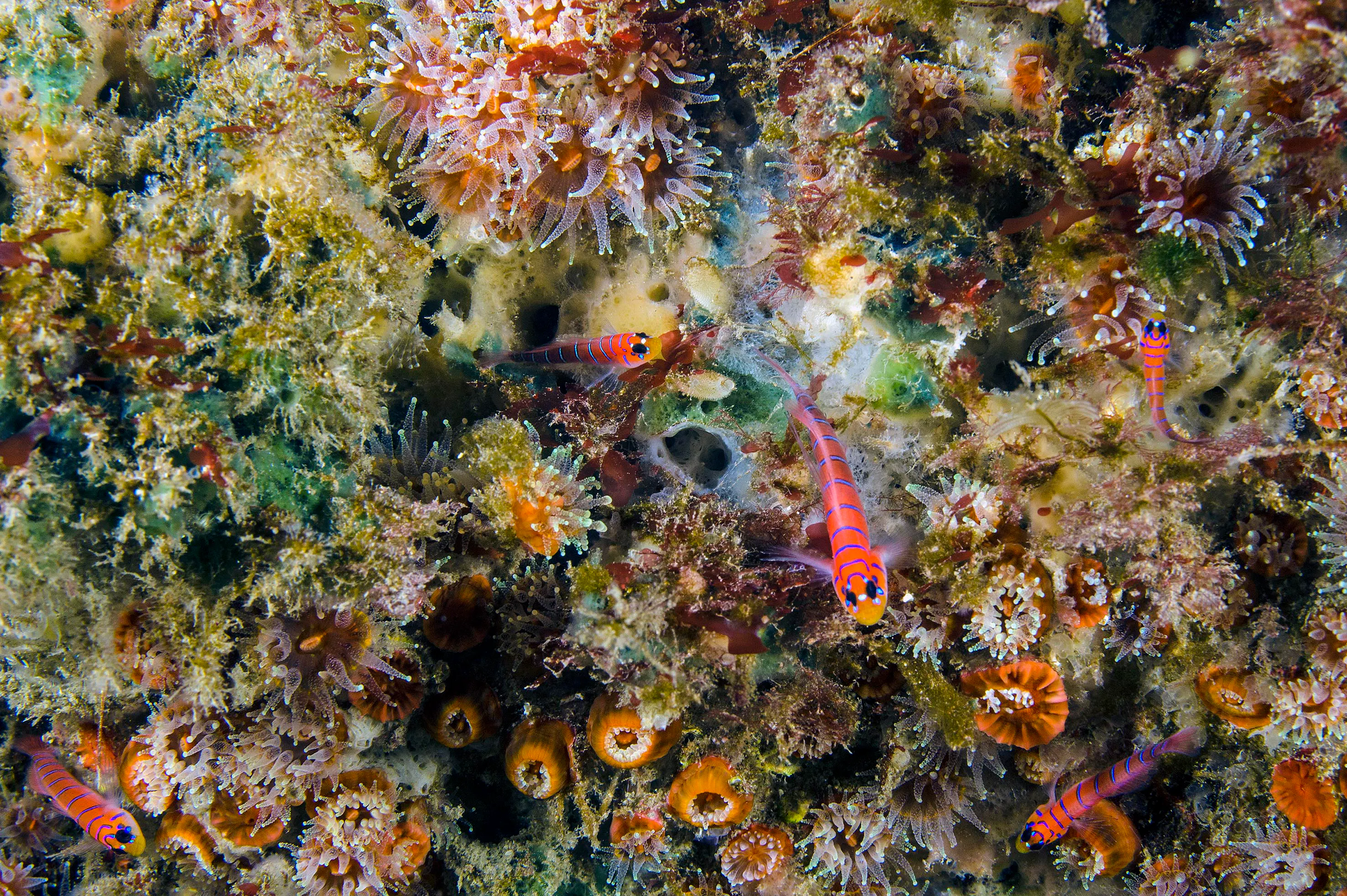
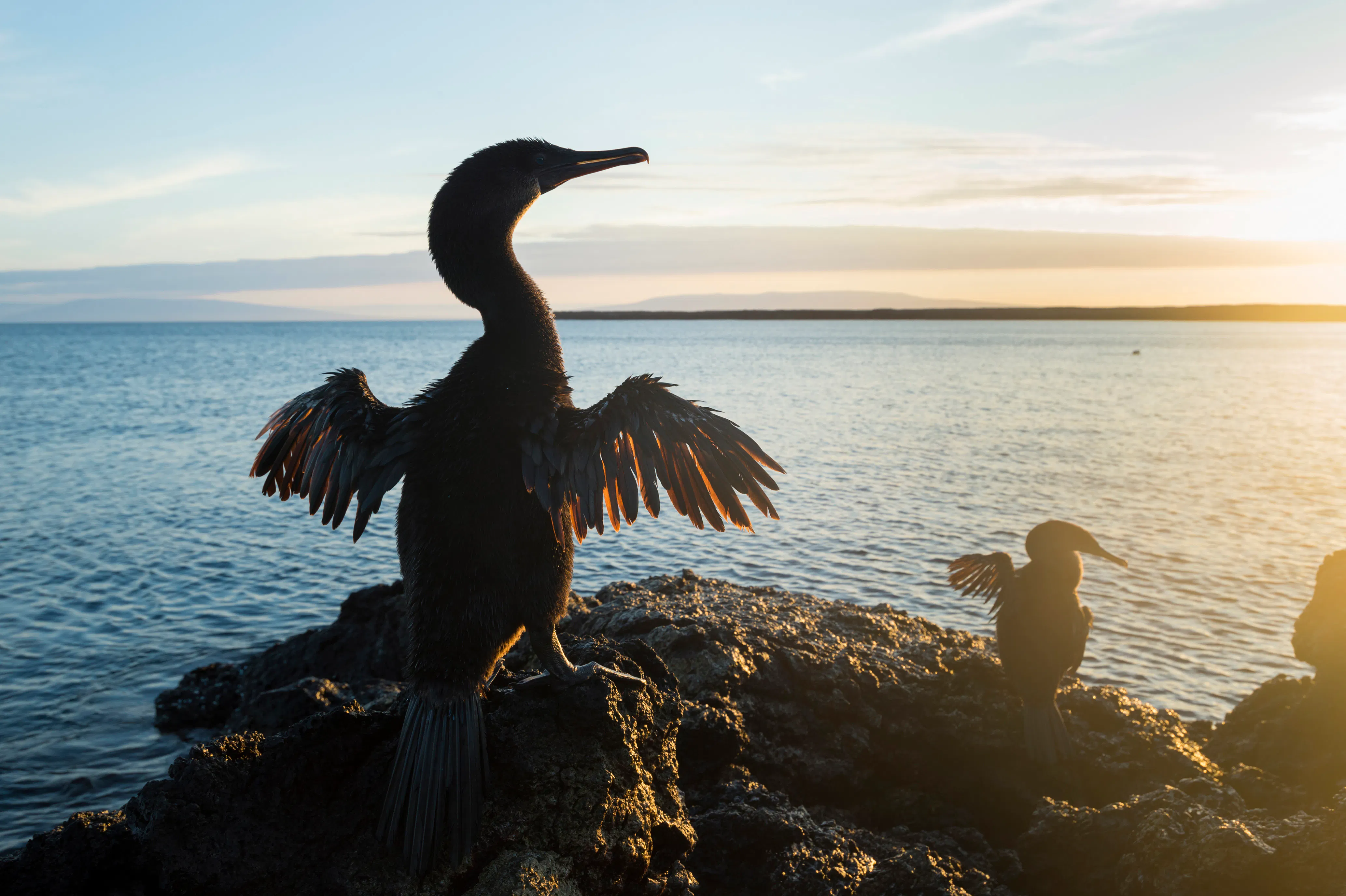
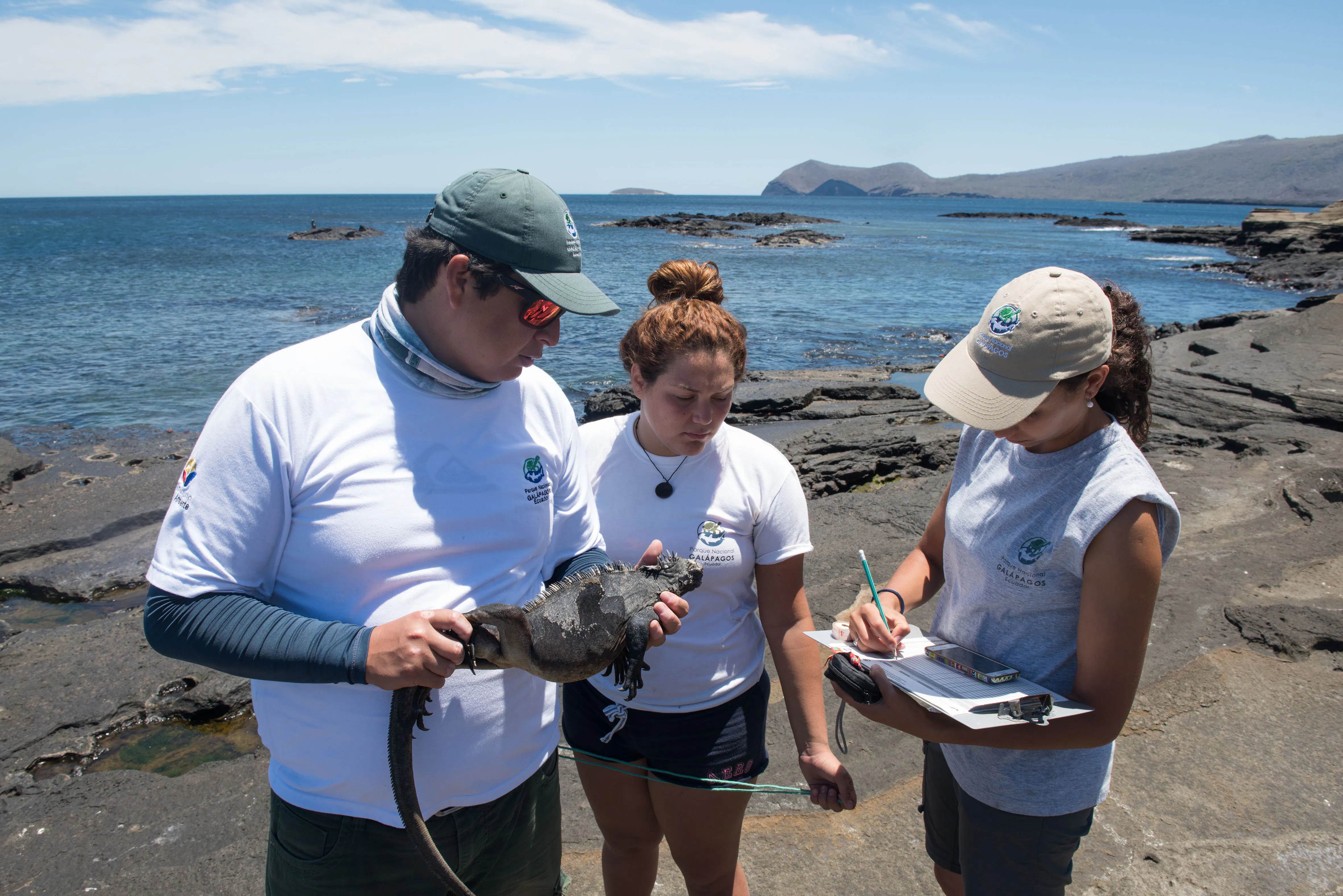
Reserva Marina de Galápagos is made up of coral reefs, underwater cliffs, lagoons, and wetlands. Over 2,900 marine species have been identified in the reserve, including whales, dolphins, cormorants, sea lions, fur seals, penguins, marine iguanas, sea turtles, tropical fish, sharks, and rays. It accounts for the world’s largest biomass of reef fish, the majority of which is made up of sharks including scalloped hammerhead, blacktip, and mako sharks.
9
Arnavon Community Marine Park · Solomon Islands
Award Level: Gold (2019) Total Marine Area: 169.1km2
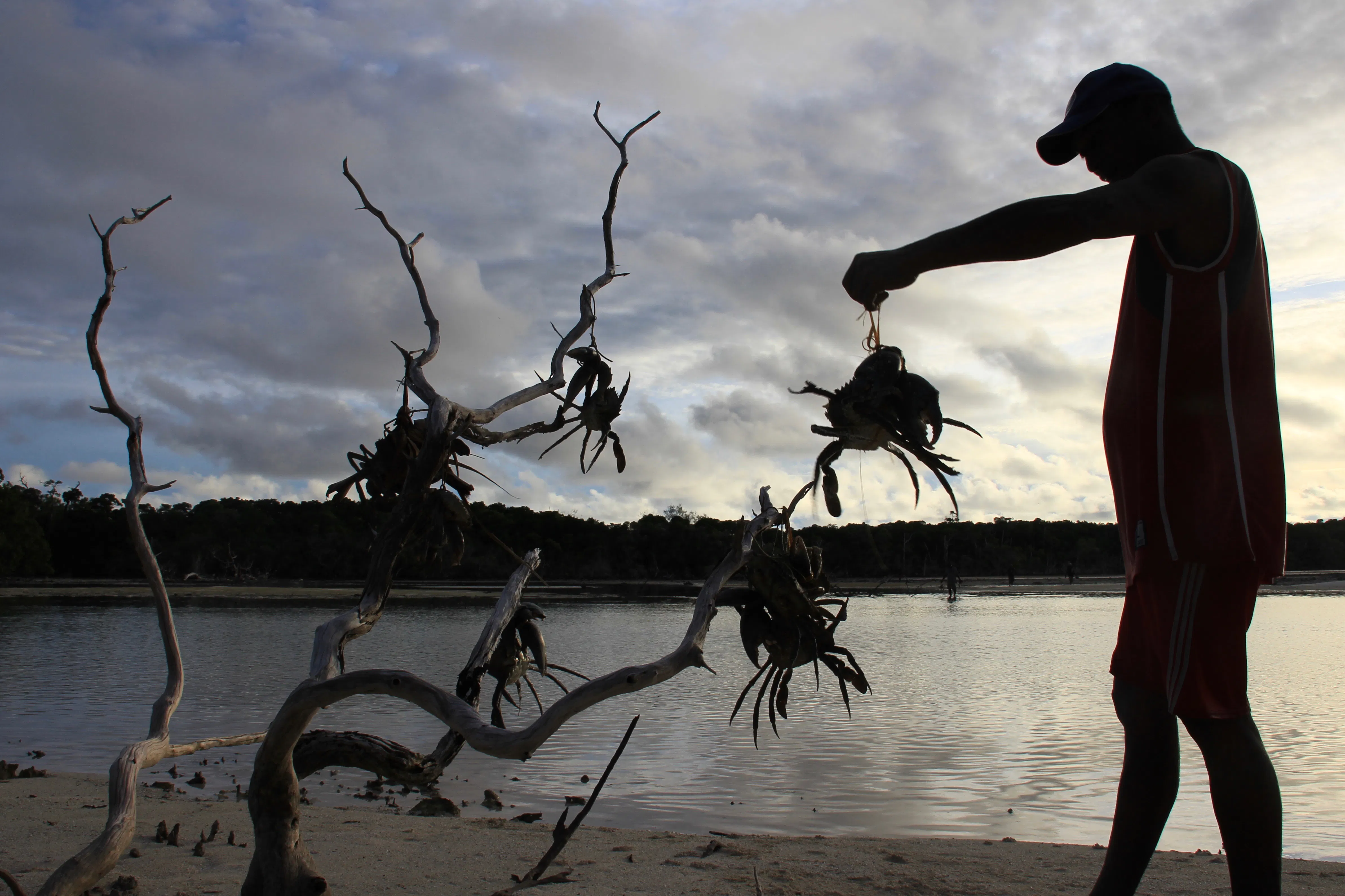
Commercially important species have been found in high abundances in Arnavon Community Marine Park, including invertebrates such as trochus, crayfish, sea cucumbers, and tridacnid clams (all of which are found in much lower abundances in fished areas of the region). It’s a community-led conservation initiative—community members created the park and make up most of the park’s management committee and staff. The management committee works actively with community members to develop sustainable income-generating livelihoods as alternatives to unsustainable practices.
10
Cape Rodney-Okakari Point Marine Reserve · New Zealand
Award Level: Gold (2018) Total Marine Area: 5.47km2
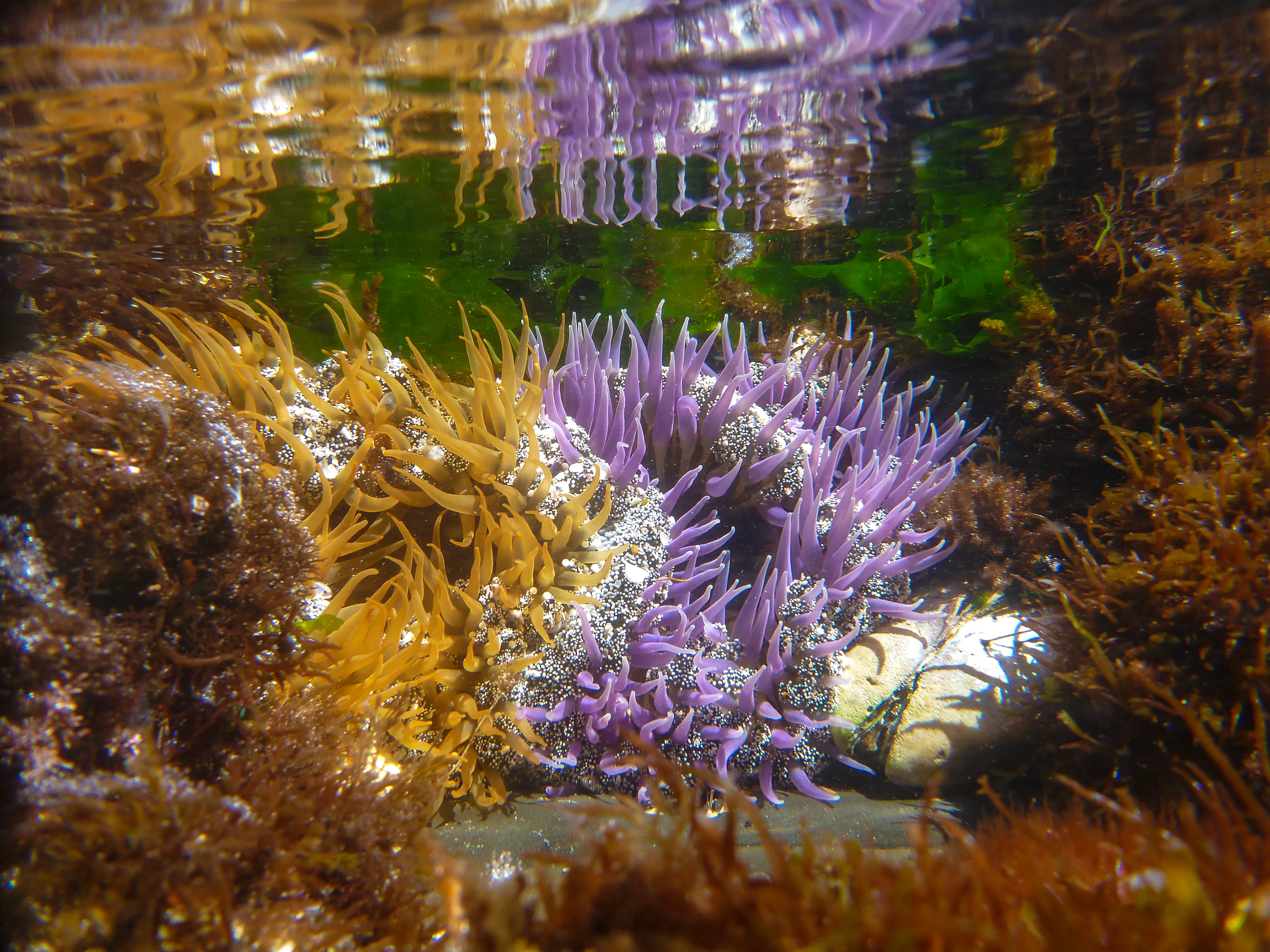
Nearly 1,000 species live within Cape Rodney-Okakari Point Marine Reserve. It protects diverse habitats, including rocky coastline, sponge gardens, and deep reefs. The reserve surrounds Te Hāwere-a-Maki, or Goat Island, which is of great historical importance to Ngāti Manuhiri, the local Māori people. It has allowed kelp forests to regenerate and increased abundance of species, such as spiny lobster and snapper, that inhabit them.
11
Misool Private Marine Reserve · Indonesia
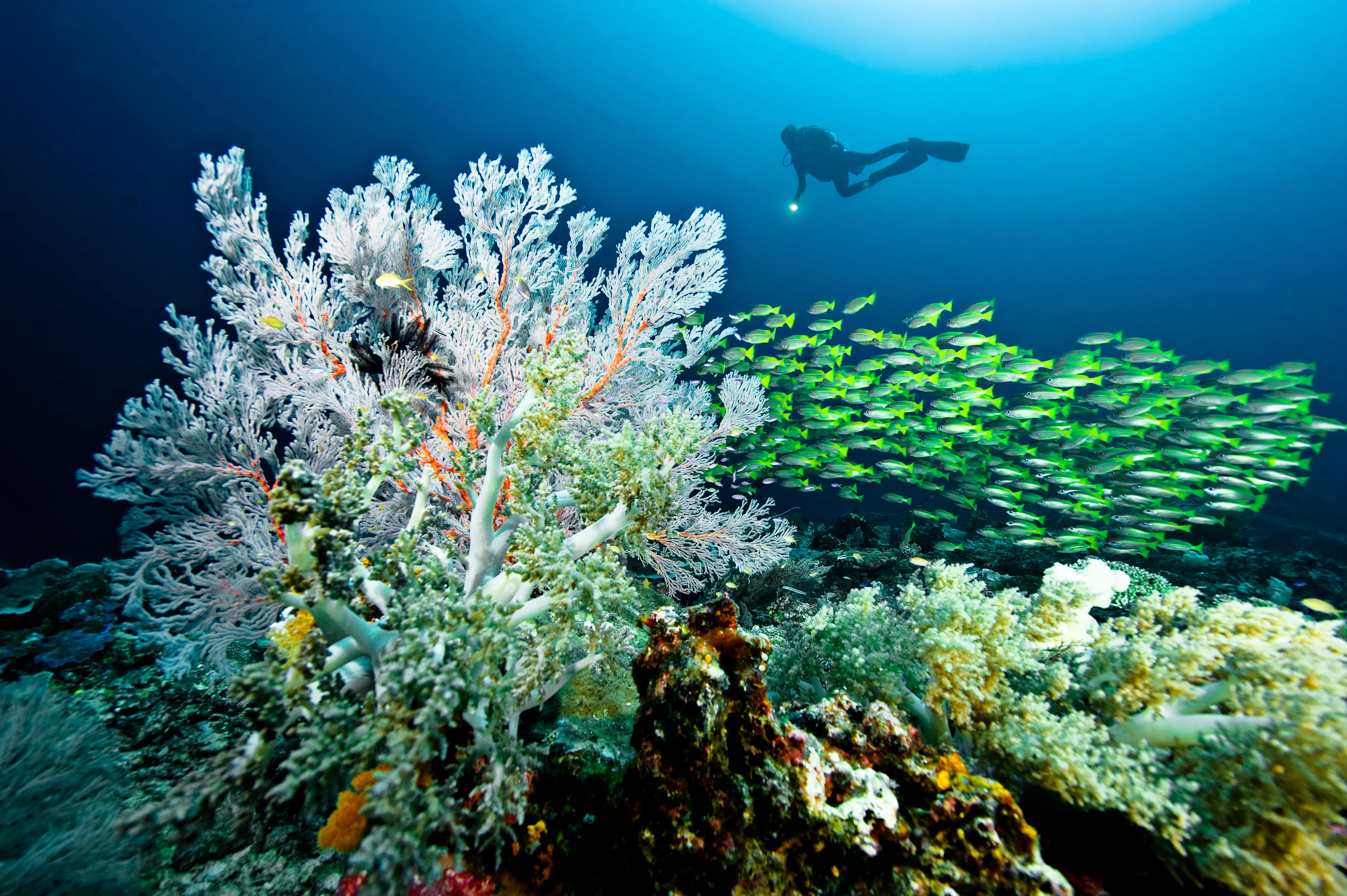
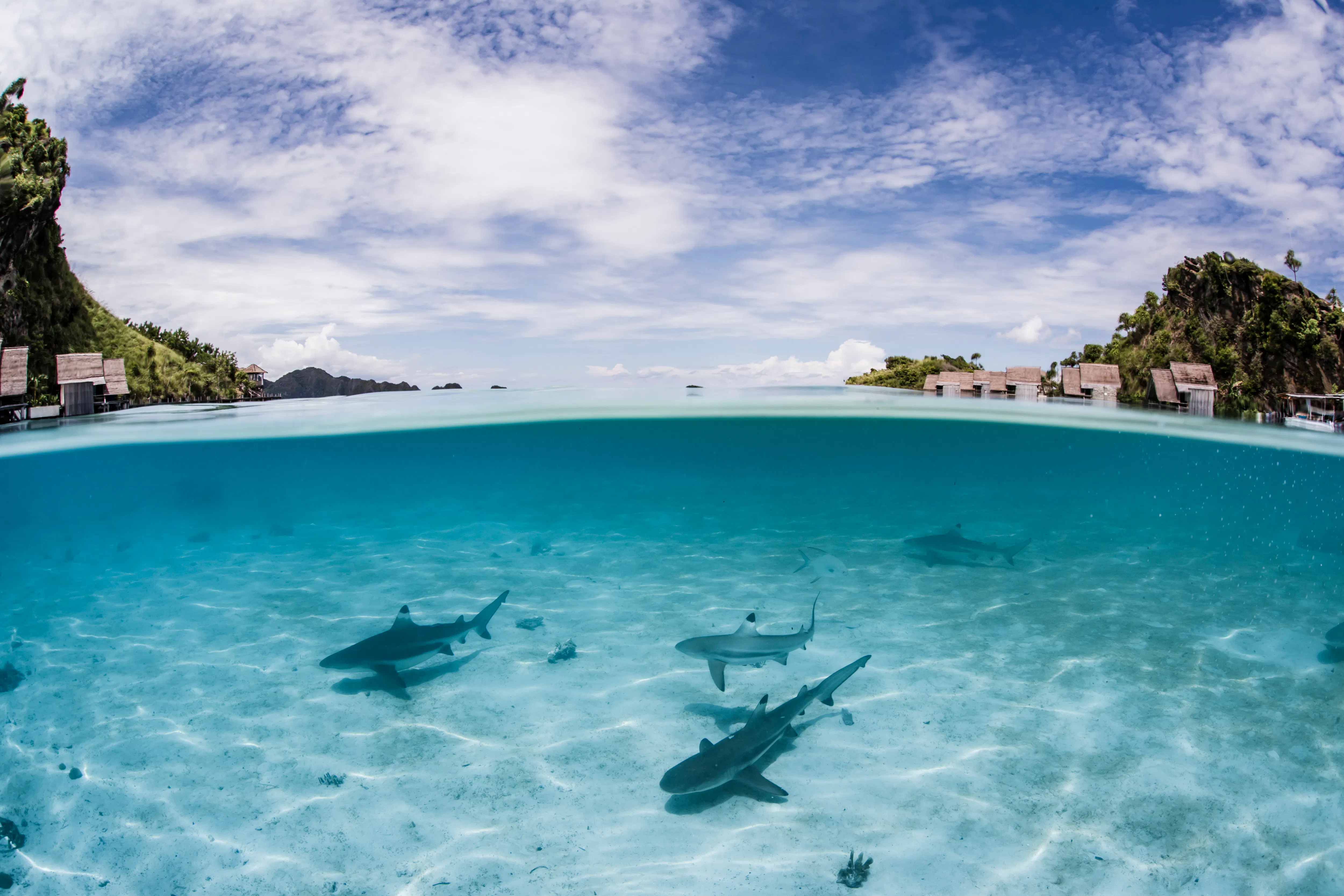
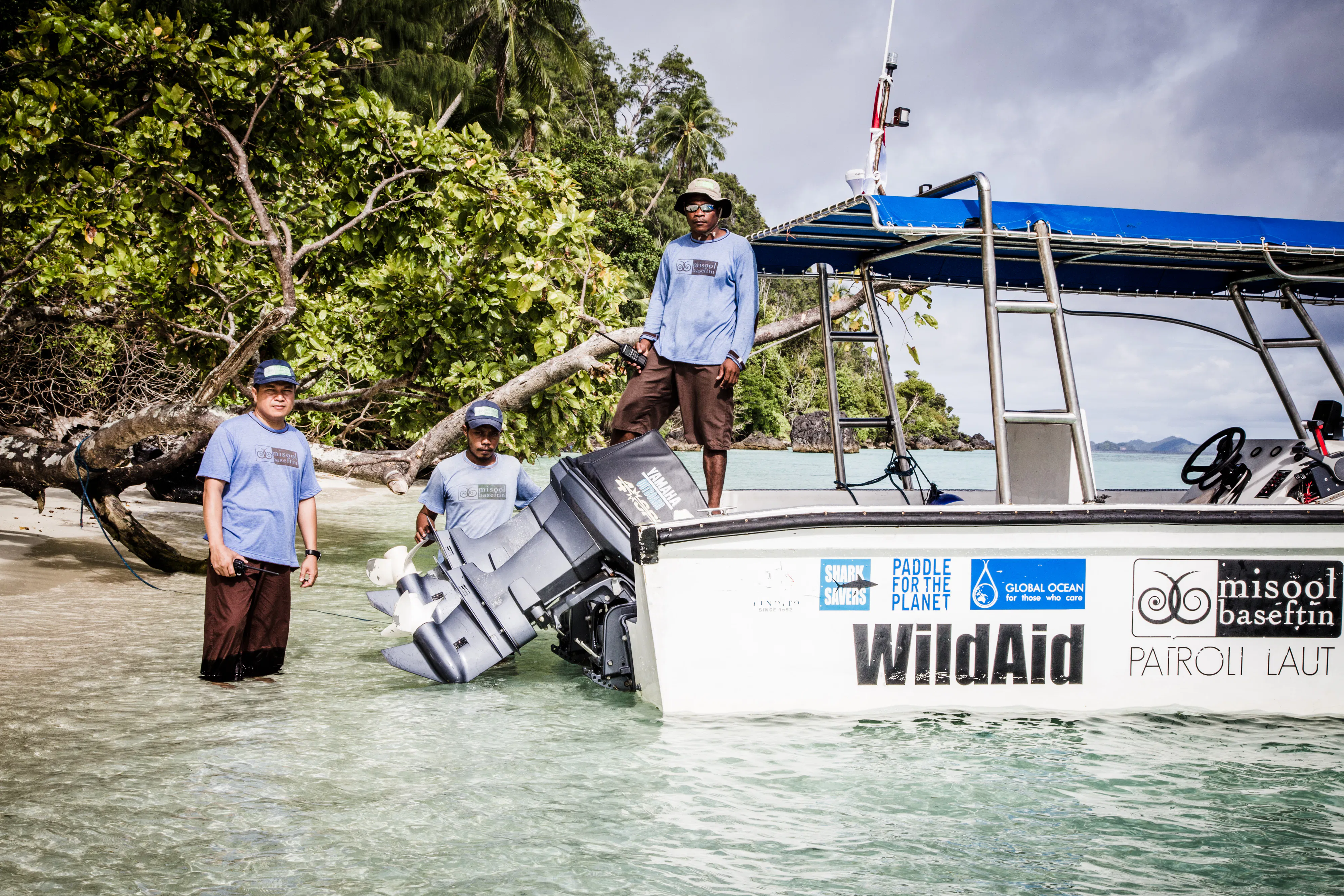
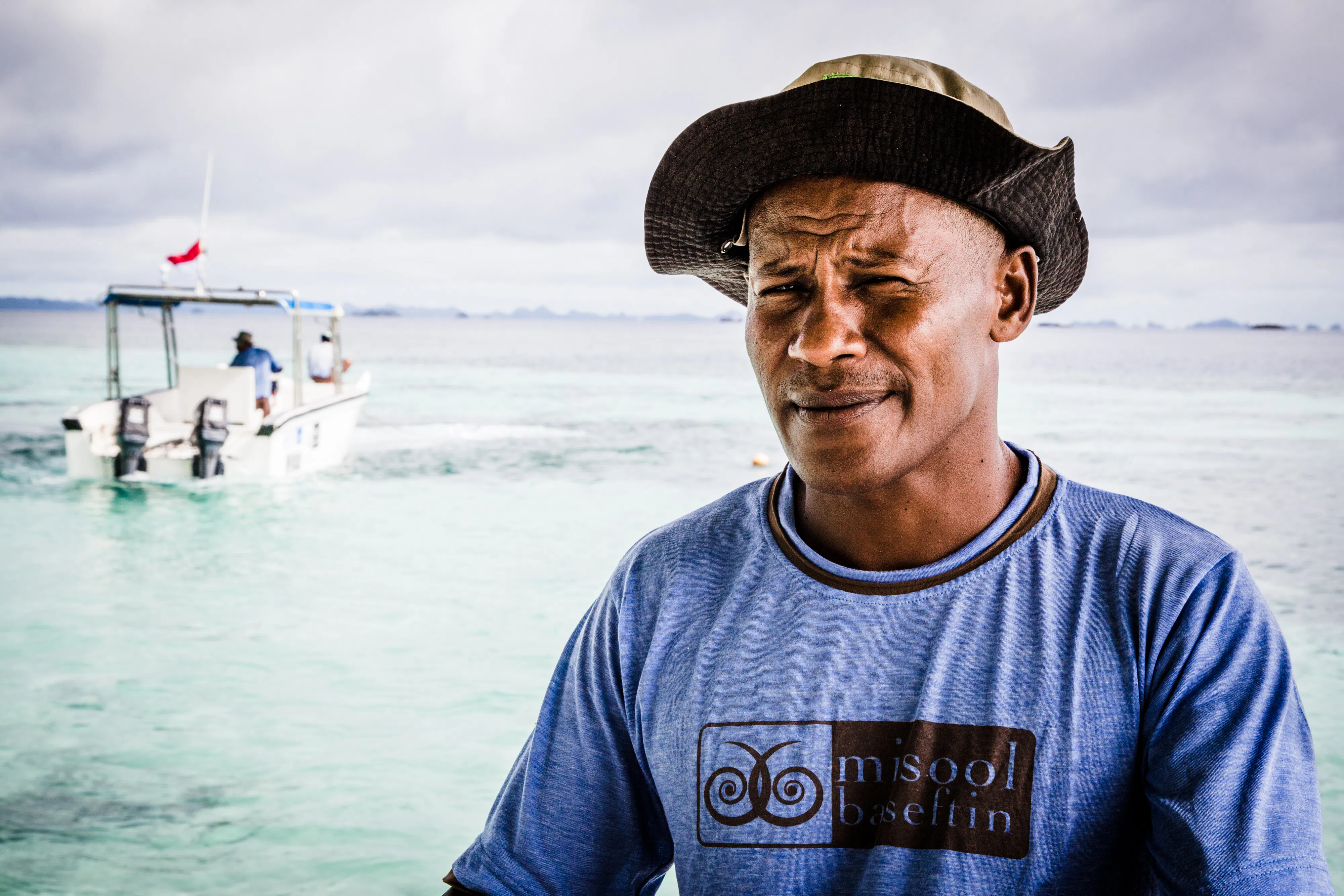
Award Level: Platinum (2018) Total Marine Area: 1,212.1km2 Misool Private Marine Reserve was started by a local community who created a partnership to privately fund and manage the marine reserve with the goal of promoting sustainable tourism while protecting Raja Ampat’s ecosystems. The reserve is home to a number of endemic species including the bamboo shark, Nursalim’s flasher wrasse, Jamal’s dottyback, Bird’s head jawfish, and Misool cardinalfish.

12
Santuario de Flora y Fauna de Malpelo · Colombia
Award Level: Platinum (2017) Total Marine Area: 9,741km2
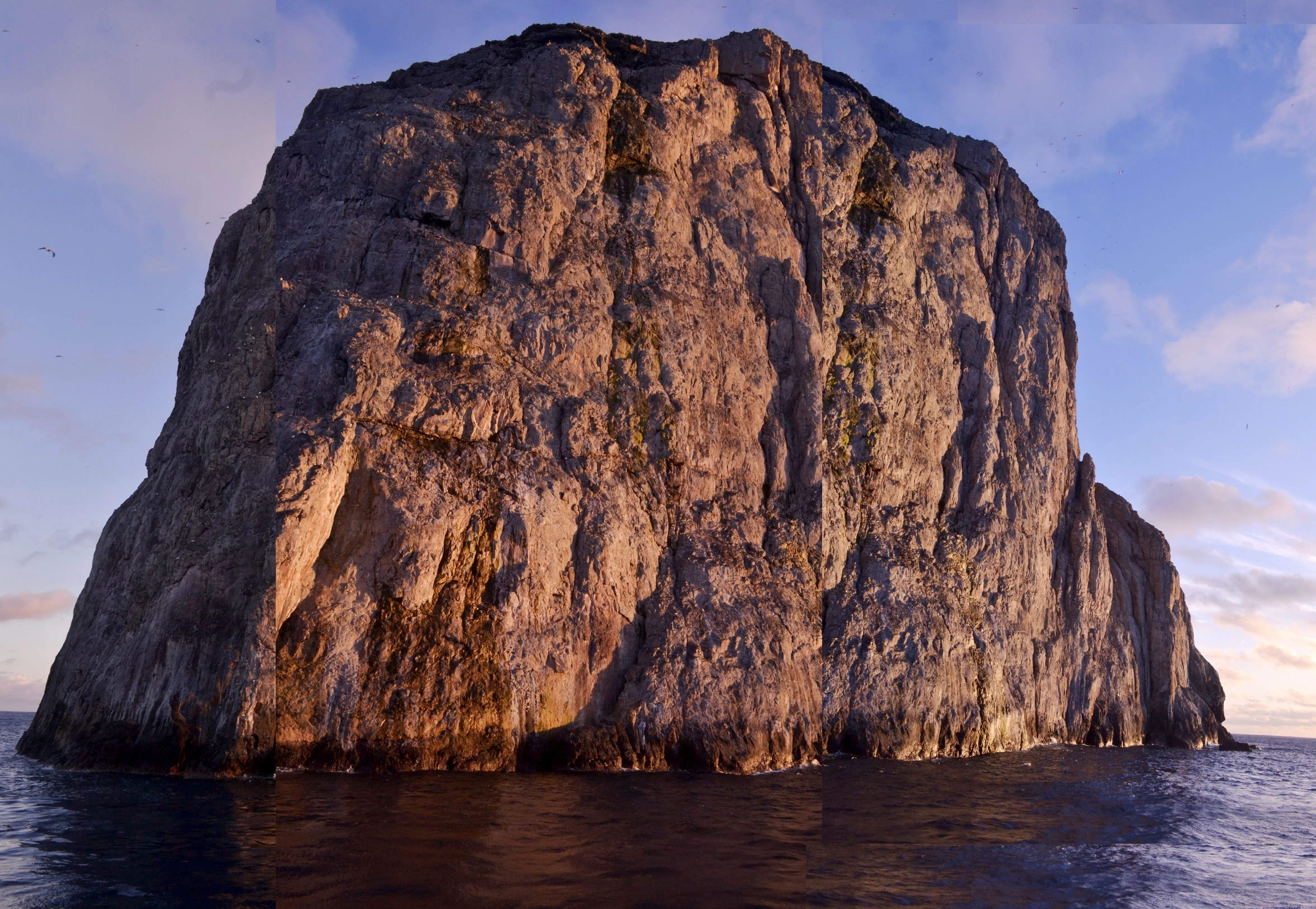
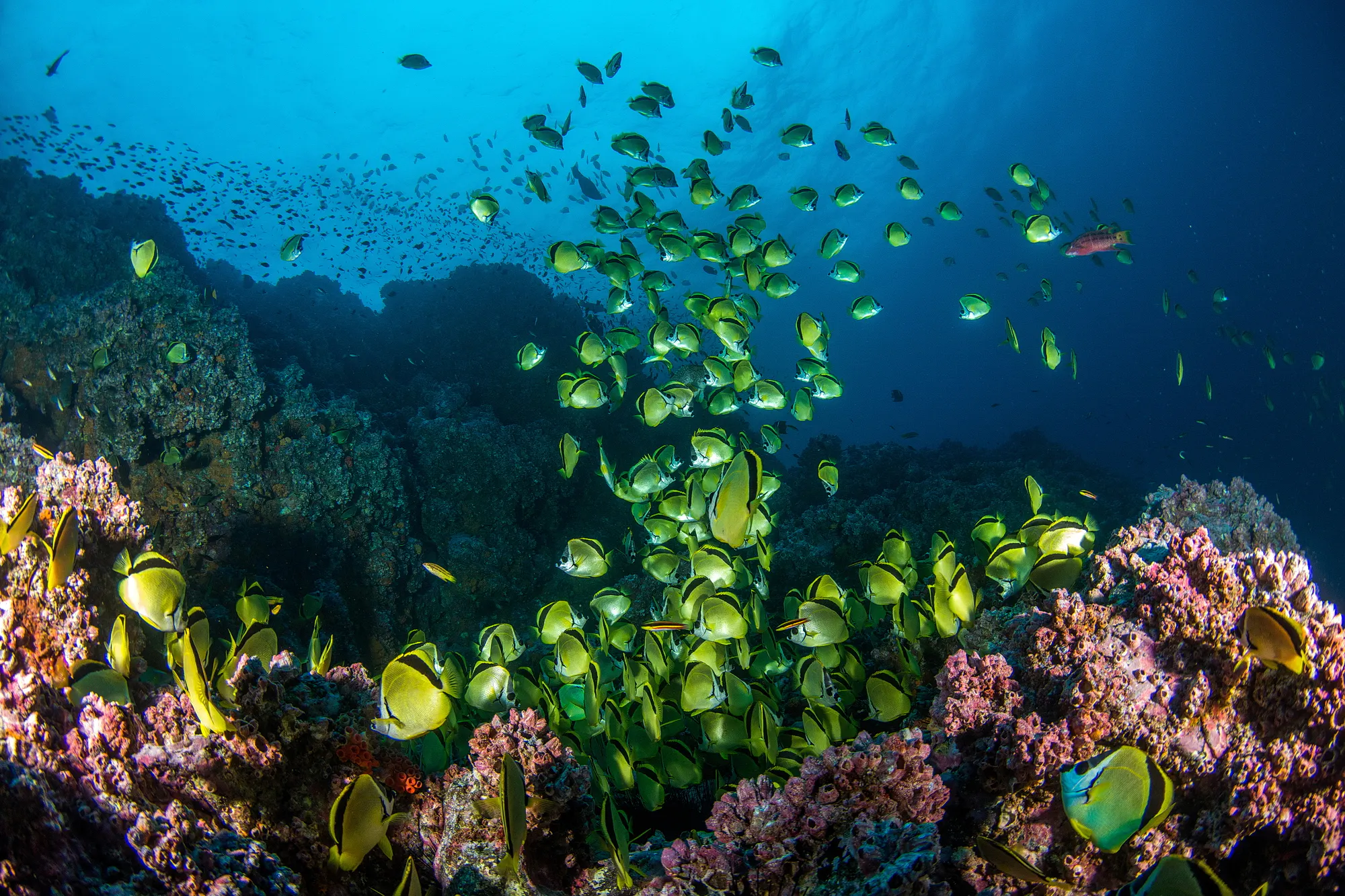
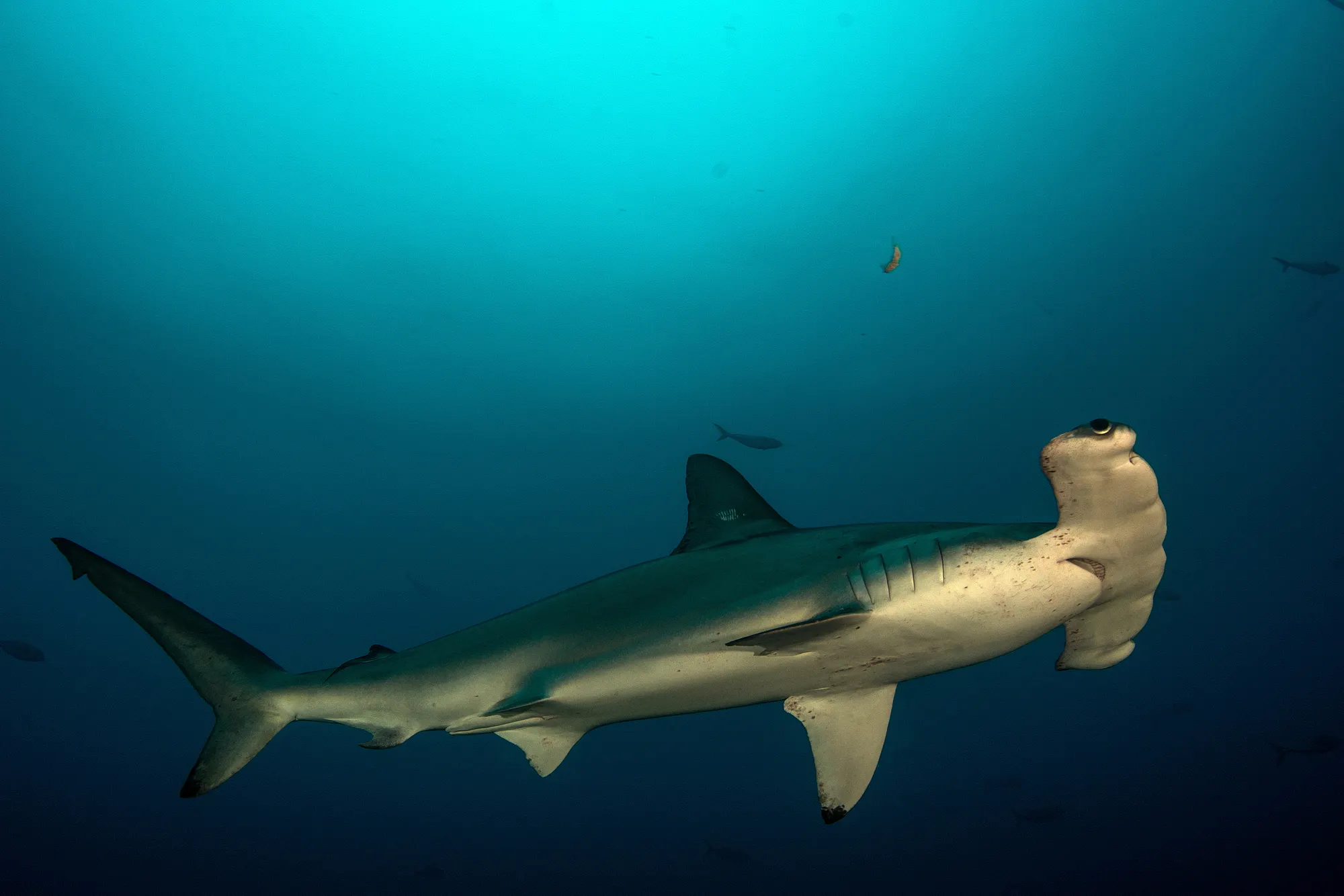
Santuario de Flora y Fauna de Malpelo has the largest no-fishing zone in the Eastern Tropical Pacific—it has been expanded twice since its designation as a marine protected area. The sanctuary is a shark breeding area, hosting endangered whale and hammerhead sharks, as well as nine other threatened shark species. The convergence of ocean currents and upwelling leads to productive, diverse, and unique coral reef and pelagic (open sea) ecosystems.
13
Exuma Cays Land and Sea Park · The Bahamas
Award Level: Platinum (2018) Total Marine Area: 455.8km2
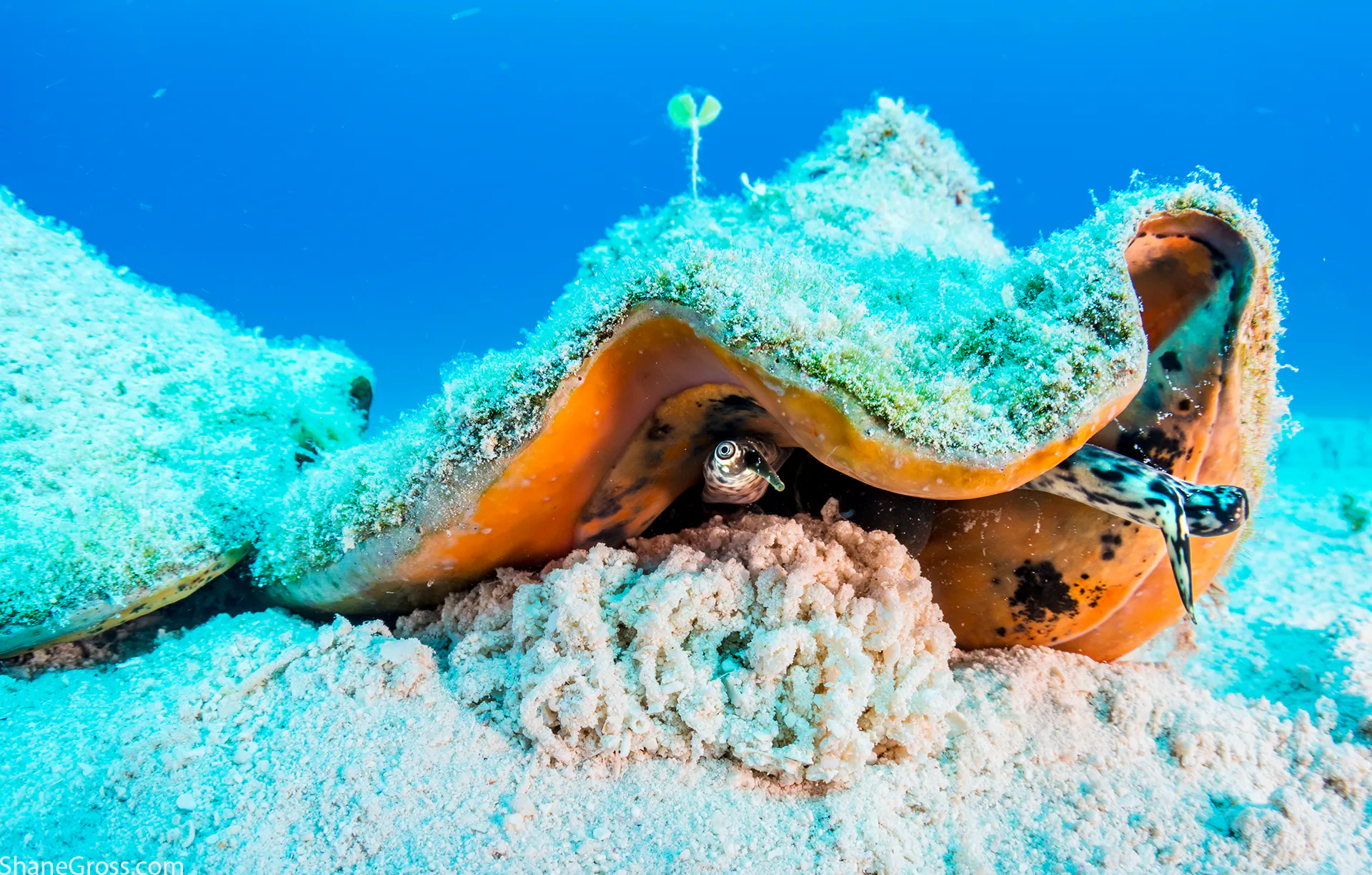
Exuma Cays Land and Sea Park protects healthy mangrove forests, seagrass meadows, diverse coral reefs, and other undisturbed areas. It’s a critical habitat for threatened species such as the hawksbill turtle, Nassau grouper, and an array of nesting seabirds. The park is one of the few places left in the Bahamas with high densities of queen conch—a culture symbol of the Bahamas that support subsistence and local fisheries.
14
Réserve Naturelle Marine de Cerbère-Banyuls · France
Award Level: Silver (2018) Total Marine Area: 6.5km2
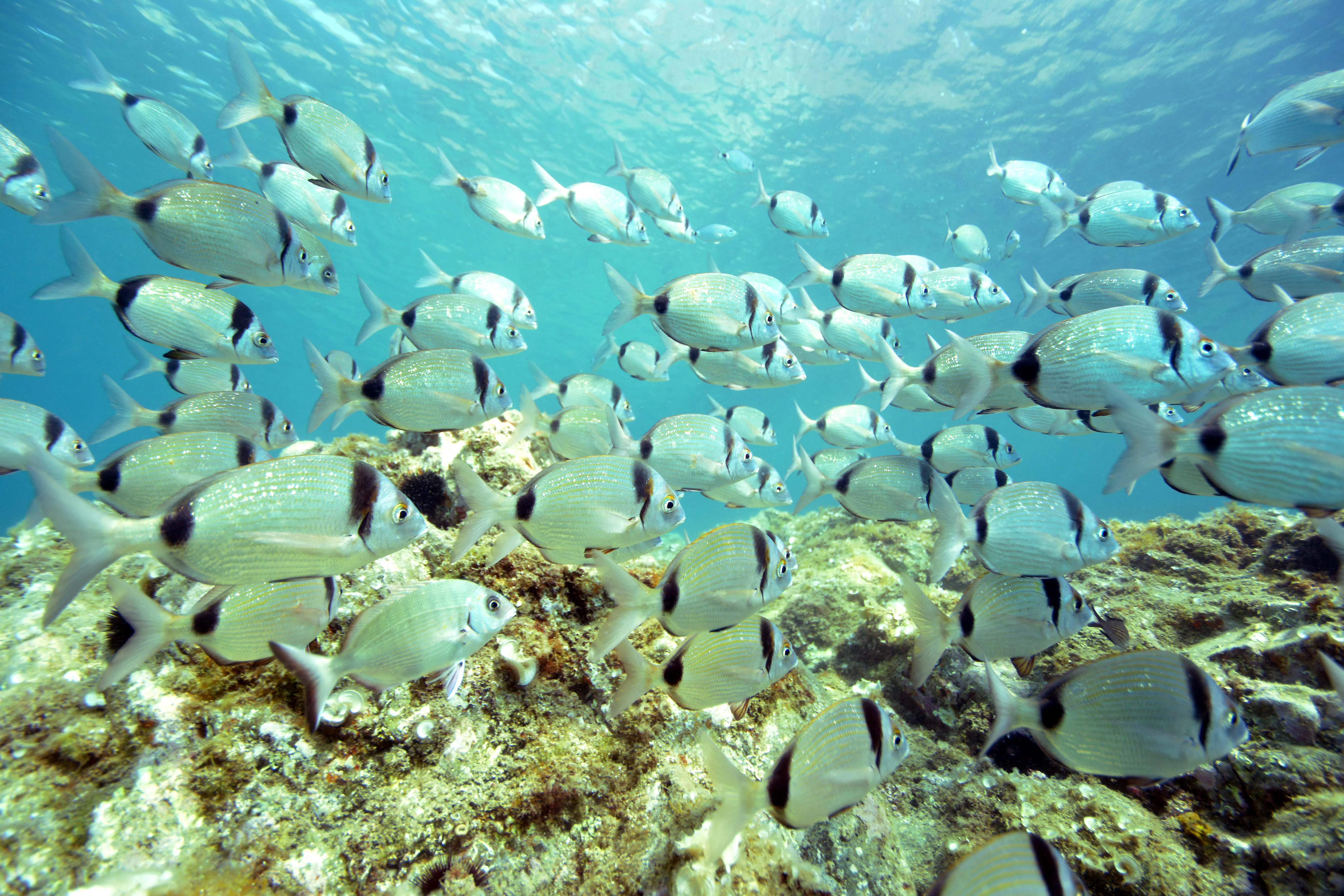
Réserve Naturelle Marine de Cerbère-Banyuls protects thriving seagrass meadows and rocky reefs, soft sediment areas, and underwater cavities in the western Mediterranean Sea. The reserve features seagrass meadows of Posidonia oceanica, an endemic species of the Mediterranean that acts as a nursery for many species, including the noble pen shell, seahorses, octopuses, and sea breams. At least a dozen ecological monitoring expeditions are carried out each year in the reserve, either internally, externally, or in partnership with research laboratories.
15
Parque Nacional Isla del Coco · Costa Rica
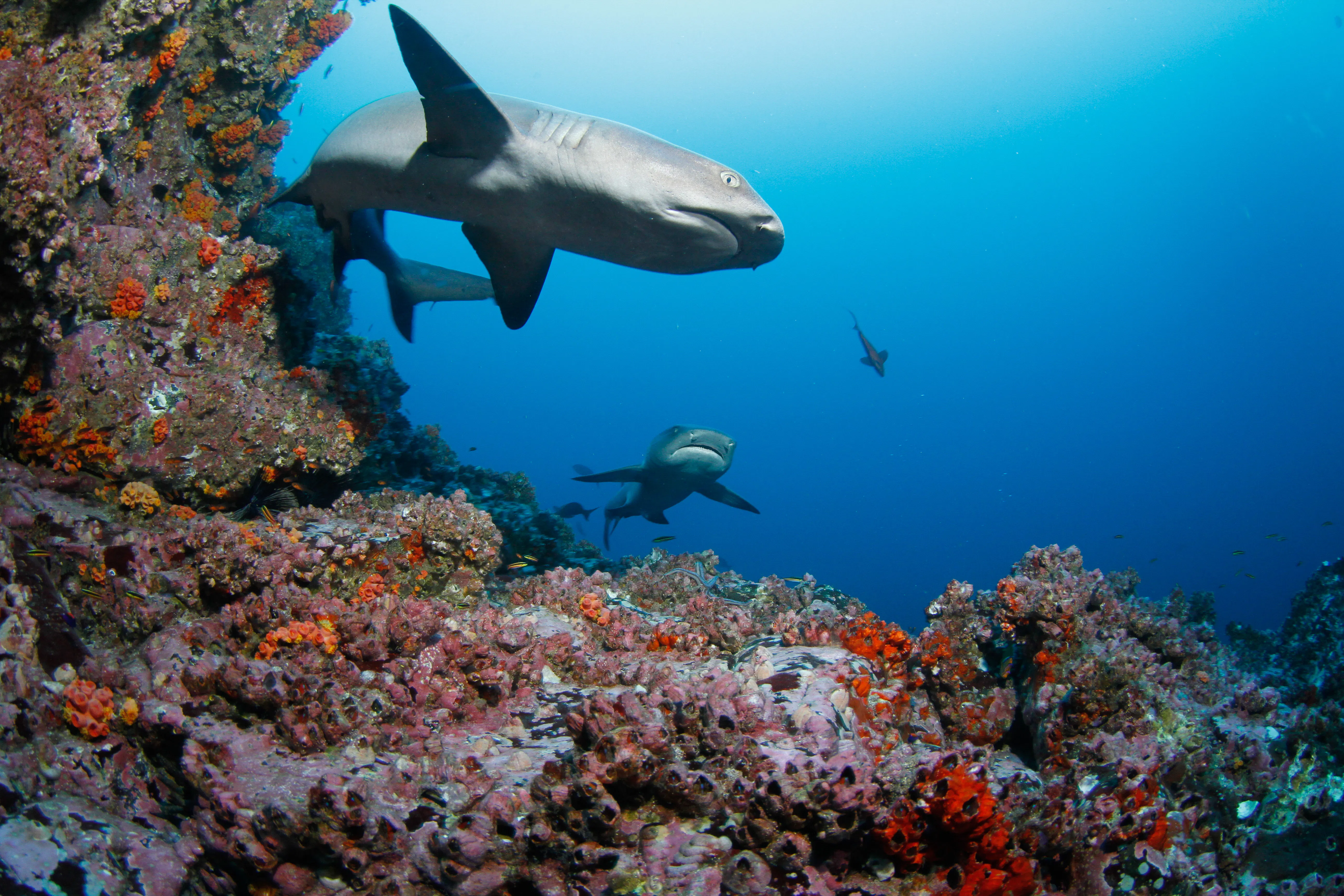
Award Level: Gold (2019) Total Marine Area: 2,011.5km2 Parque Nacional Isla del Coco is a habitat for more than 300 species of marine fish, 600 species of marine mollusks, 800 species of insects, 130 species of birds, 5 species of freshwater fish, and 500 species of plants. An important point of travel for migratory sharks in the Tropical Eastern Pacific, it is home to at least 14 species of sharks, including one of the largest congregations of scalloped hammerhead sharks. The park is relatively remote and difficult to access—it has never had permanent inhabitants, making it the world’s largest uninhabited island (with the exception of rotating conservation staff and scientists).
16
Wilsons Promontory Marine National Park · Australia
Award Level: Platinum (2018) Total Marine Area: 156km2
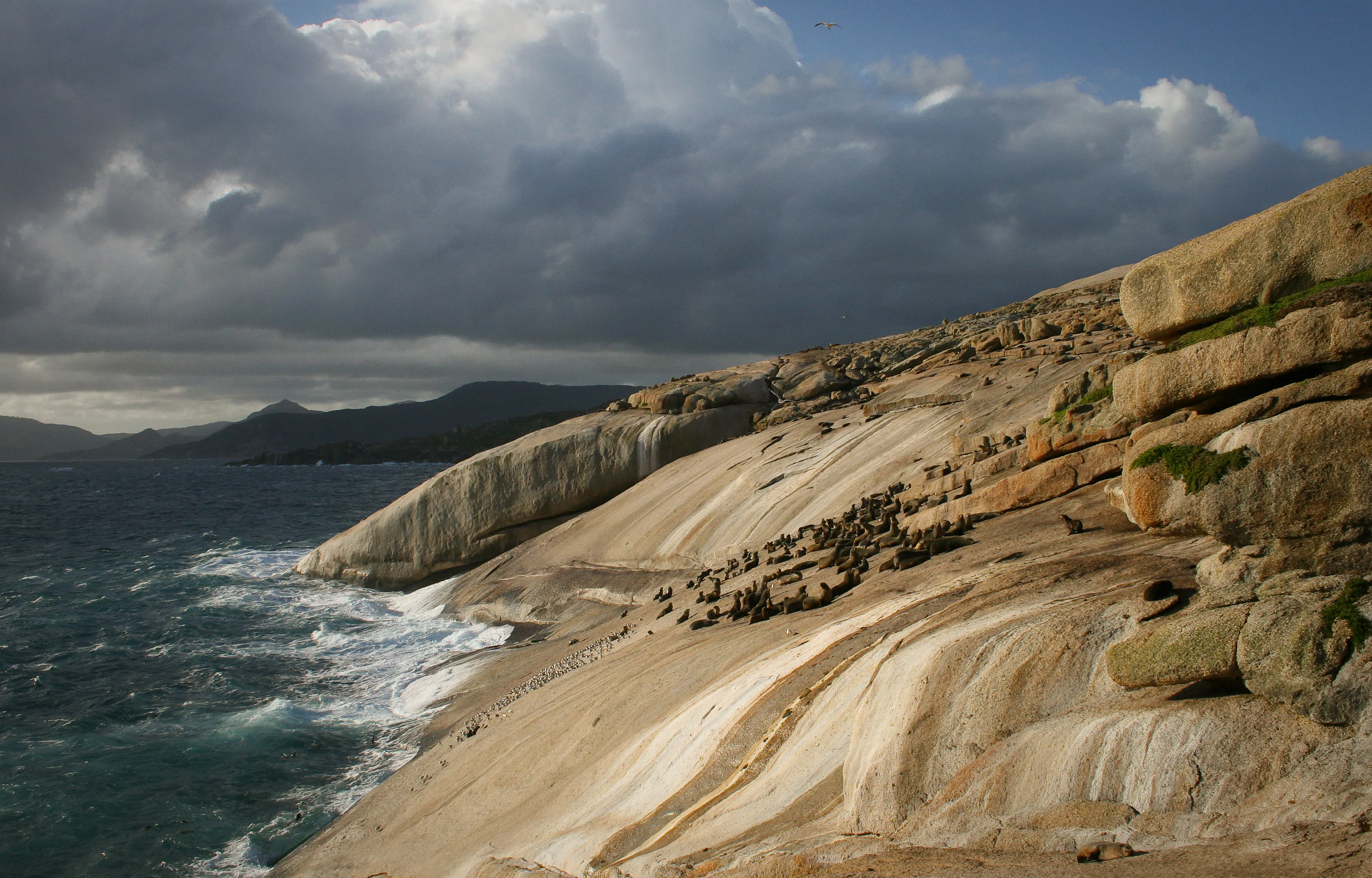
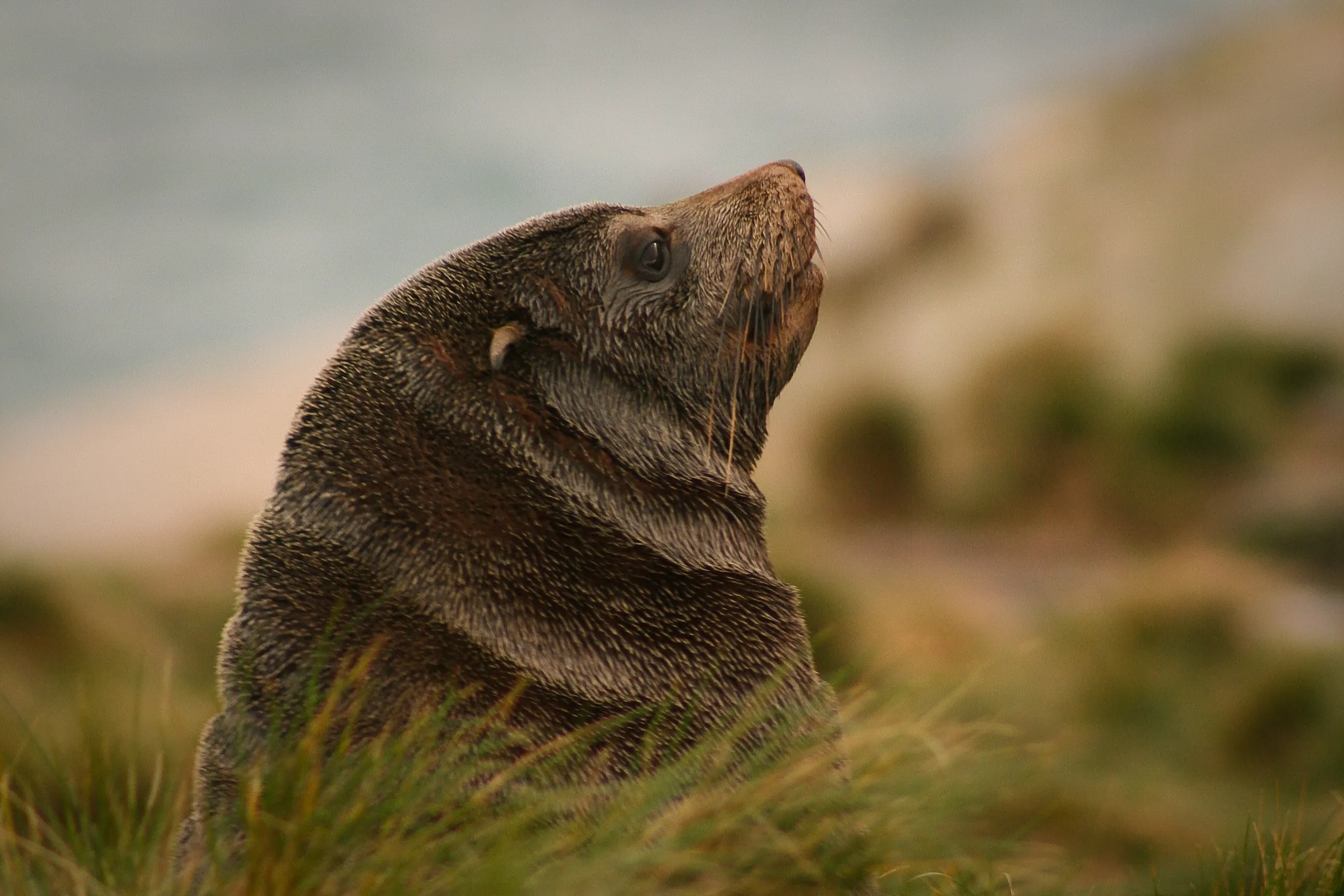
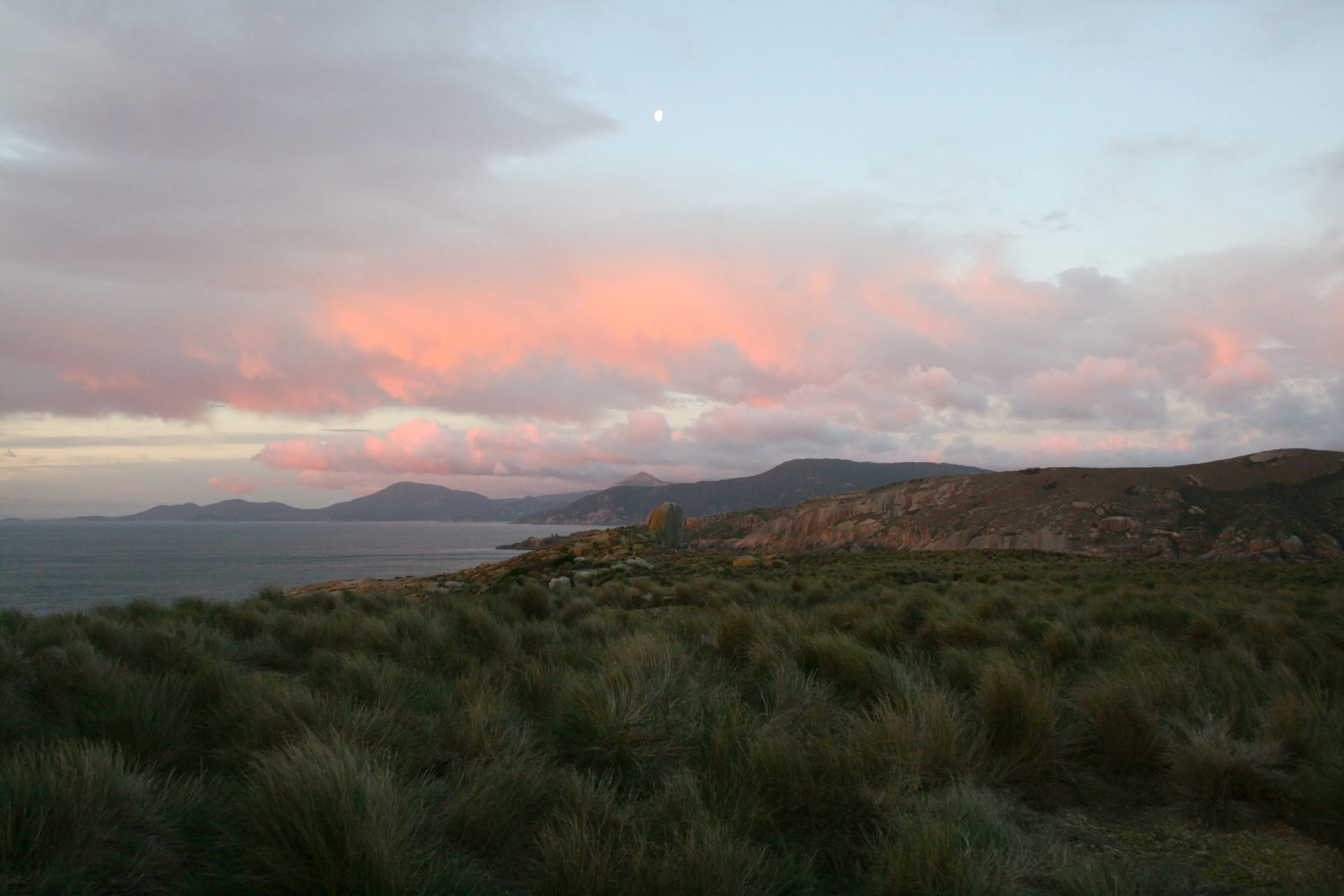
Wilsons Promontory Marine National Park is a refuge for leatherback and green sea turtles, great white sharks, humpback and southern right whales, and fur seals. Its deep water areas feature colorful sponge gardens, corals, and abundant fishes. The diversity of sessile (immobile) invertebrate communities is comparable to that of the Great Barrier Reef. The park’s subtidal rocky reefs and sheltered bays host abundant algal communities and kelp forests. The area encompassed by Wilsons Promontory Marine National Park is an important part of Indigenous tradition, and Indigenous cultural lore, interests, and rights are reflected in management.