How are small islands and developing nations disproportionately impacted by the climate crisis?
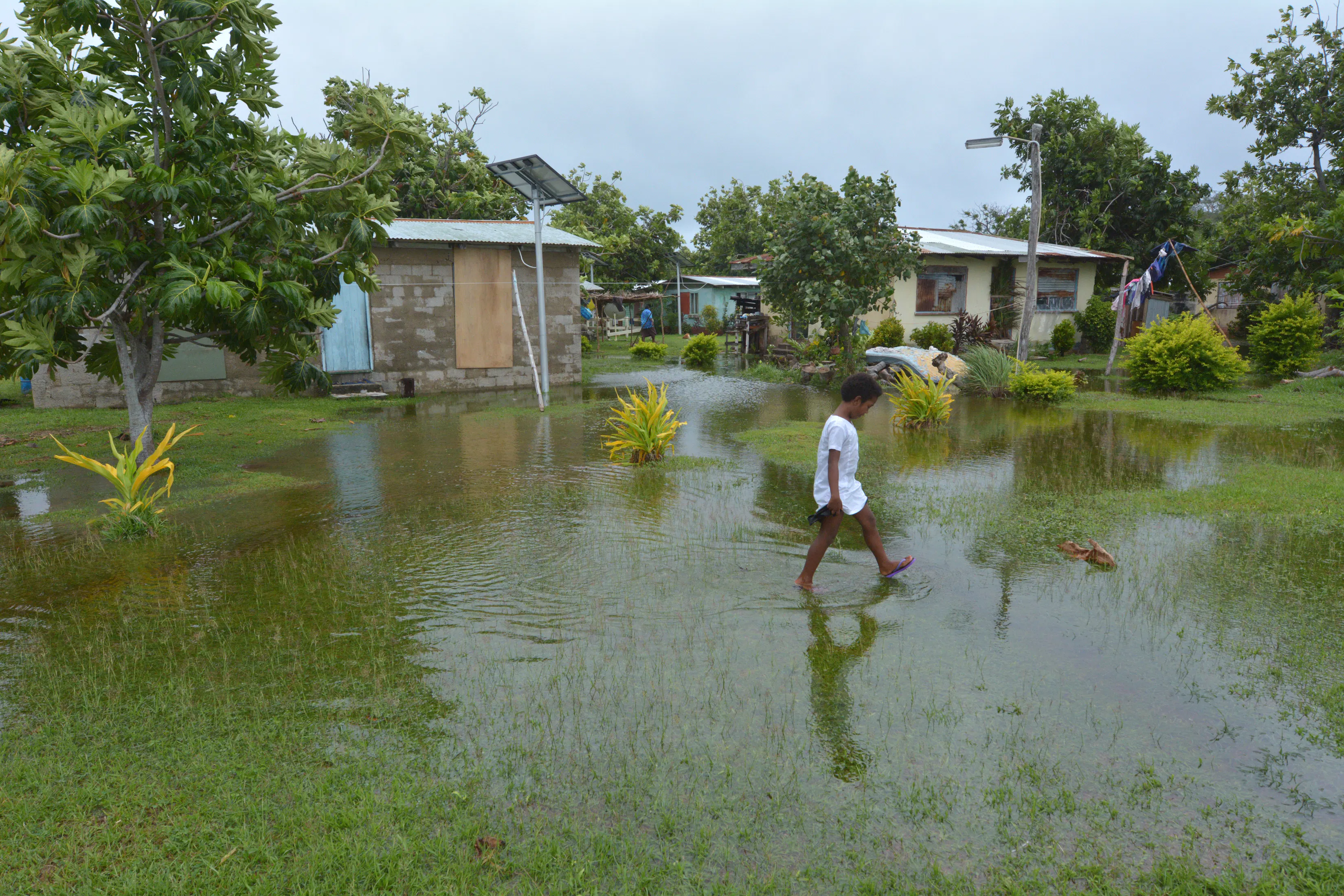
While contributing the least to the climate crisis, developing countries, especially small islands and coastal nations, often experience the most severe climate-related loss and damage. Over the past 50 years, 69% of global deaths from climate-related weather disasters have occurred in Least Developed Countries (countries listed by the United Nations as having the lowest socioeconomic development indicators). In addition, Small Island Developing States have lost more than $153 billion due to weather, climate, and water-related disasters. In some of these countries, climate-related loss and damage has contributed to nearly 40% of their national debt. The combination of their geographic, socioeconomic, and infrastructural vulnerabilities makes small islands and developing nations more susceptible to many of the impacts of climate change.
What makes small island states and developing nations more vulnerable to the impacts of climate change?
Many are low-lying states. Countries closer to sea level are more vulnerable to extreme weather events such as hurricanes and storm surges, as well as rising sea levels, which can lead to coastal erosion and even complete submergence in the long term.
They depend on climate-sensitive industries. Many small island states rely heavily on climate-sensitive sectors such as fisheries, tourism, and agriculture. Climate-related impacts, e.g., ocean acidification, coral reef degradation, and changes in rainfall patterns directly affect their economies and food security.
They have limited resources to combat climate change. Developing nations and small islands often lack the necessary finances, infrastructure, and institutional capacity to mitigate the effects of climate change. This makes it difficult for them to implement large-scale climate action plans.
Many lack adequate healthcare systems. Climate change can exacerbate health problems, including the spread of vector-borne diseases and heat-related illnesses. Many developing countries lack the healthcare infrastructure to cope with the increased health burden.
They lack access to climate finance. Access to climate finance and international support is critical for small island and developing nations to effectively address climate challenges. However, due to their vulnerability to climate impacts, investments in these countries can be seen as a high financial risk, making it difficult for these countries to borrow the funds they need to fight climate change.