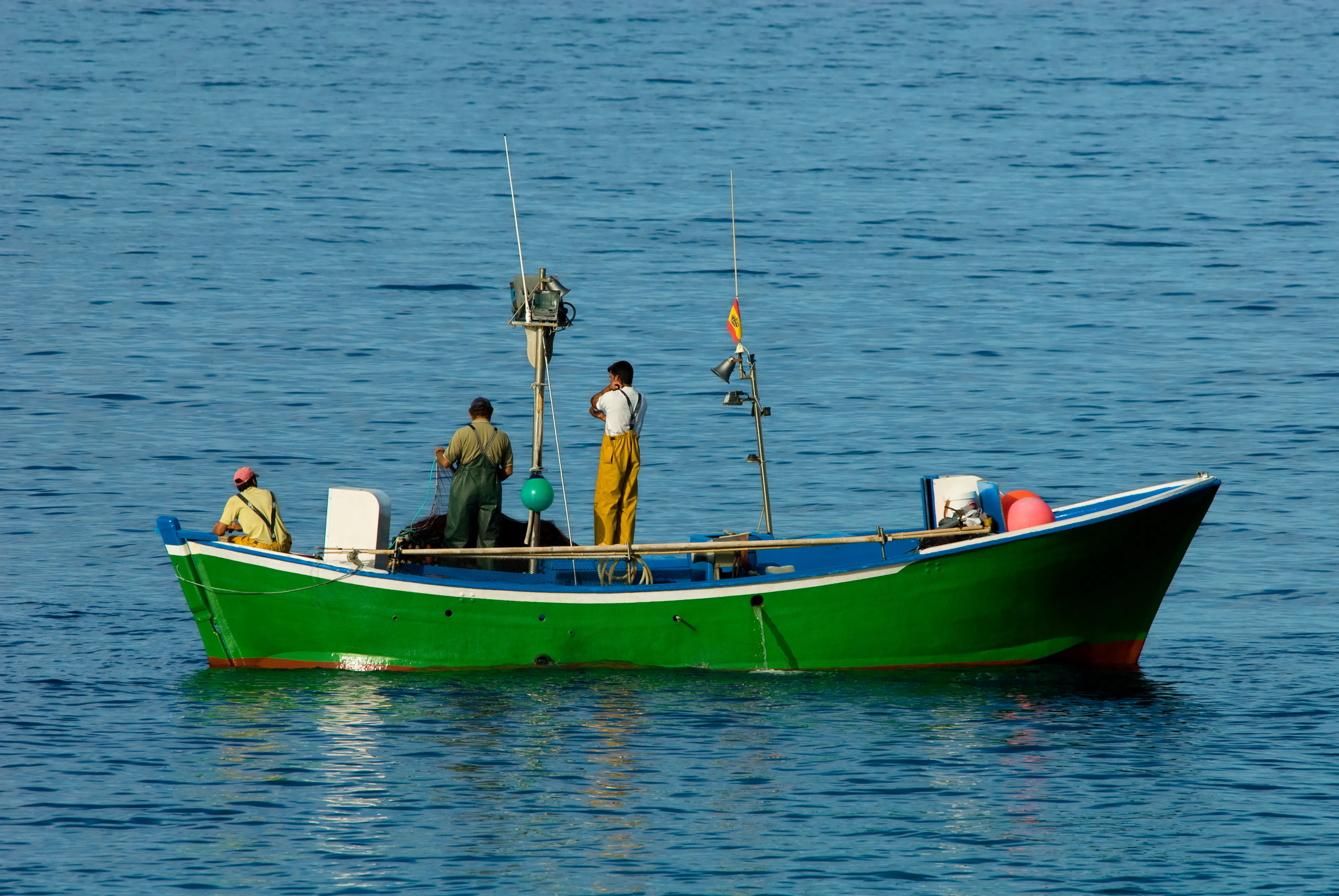
Small-scale, low-impact fishers form the backbone of the EU's fishing fleet, comprising 76% of active vessels and more than half of all fishers. Yet, they face mounting challenges from large-scale fisheries that dominate the market, consume the lion's share of subsidies (a whopping 93%), and often encroach on their waters. Despite employing more people per ton of fish caught and contributing significantly to local economies, small-scale fishers account for just 16% of the value of EU landings. Their numbers are dwindling — down 20% in the Baltic from 2018 to 2021 — while ownership of the fleet concentrates in fewer hands, threatening their long-term viability.
The EU's policies further disadvantage small-scale fisheries. Foreign vessels, including trawlers, compete for limited resources and often evade rules designed to prevent overfishing and protect marine ecosystems. Large-scale fleets frequently share the same stocks as small-scale fishers, with no market differentiation, leaving local communities at an economic disadvantage.
Small-scale fishers embody sustainability, using static gear and low-impact methods to support local jobs and economies. They are vital to coastal communities, but without targeted support — such as equitable subsidies, enforcement of IUU fishing regulations, and protections against industrial fleets — their future is at risk.