Two key reports released last month highlight the urgency surrounding the proposed dredging of Port Everglades, and show us just how precious the nearby reef is.
Scientists from NOAA and the Shedd Aquarium recently identified over 10 million corals in the 1,200 meters around the Port Everglades shipping channel — including more than 44,000 corals listed under the Endangered Species Act (ESA) — could be at risk from dredging. This differs significantly from the Corps’ recent project assessment claims that only several hundred ESA-listed corals will be affected by the dredging.
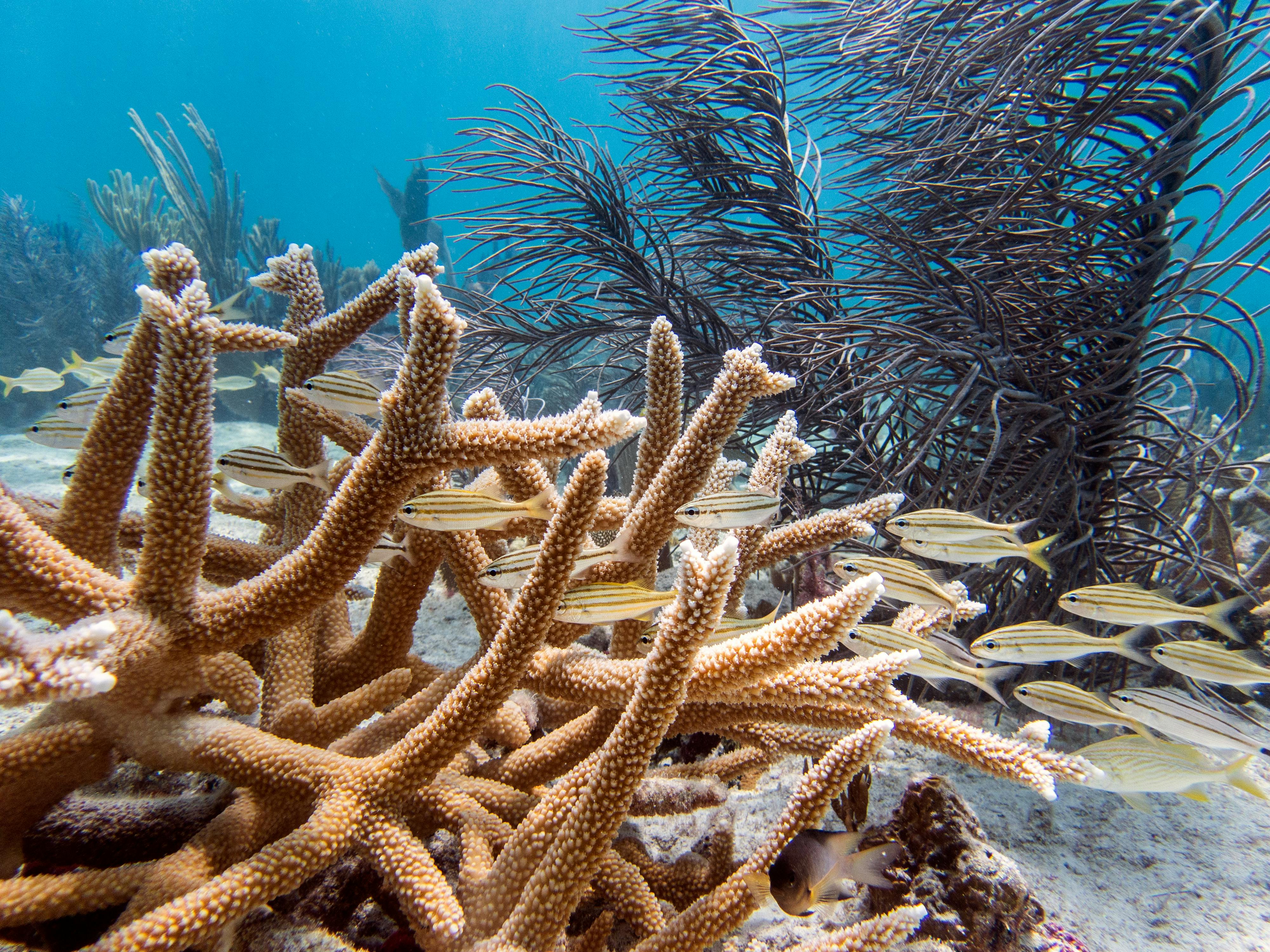
What's more, a study published in Science by over 40 authors showed that staghorn coral — once the dominant coral across Florida’s reef — is now functionally extinct. This means so few surviving corals remain that the species can no longer survive long-term without dedicated conservation efforts. If the last place where wild staghorns continue to thrive is the area around Port Everglades, are we really going to dredge over the last ones left in Florida?
Taken together, these findings suggest that the reef around Port Everglades is showing unparalleled signs of recovery and resilience, an oasis as coral decline plagues the rest of the state. These studies provide more compelling evidence against dredging Port Everglades without a comprehensive, science-based plan.
Read more about these studies here: