The Challenge:
Methane gas is an extremely potent greenhouse gas. Although it has a shorter atmospheric lifetime than carbon dioxide, methane affects our air quality and contributes significantly to climate change. The pollutant traps more atmospheric heat per molecule than carbon dioxide, making it 80 times more harmful over a 20-year period. Methane is responsible for more than 25% of global warming, and cutting methane emissions by 45% by 2030 could help us meet the Paris Agreement’s goal of limiting global temperature rise to 1.5°C.
On a global scale, cattle and other livestock contribute to approximately 40% of methane emissions. As part of their digestive process, which involves breaking down a high-fiber diet, cows release large quantities of methane as a byproduct, making them one of the world’s least environmentally friendly food sources in terms of their climate impact.
The solution:
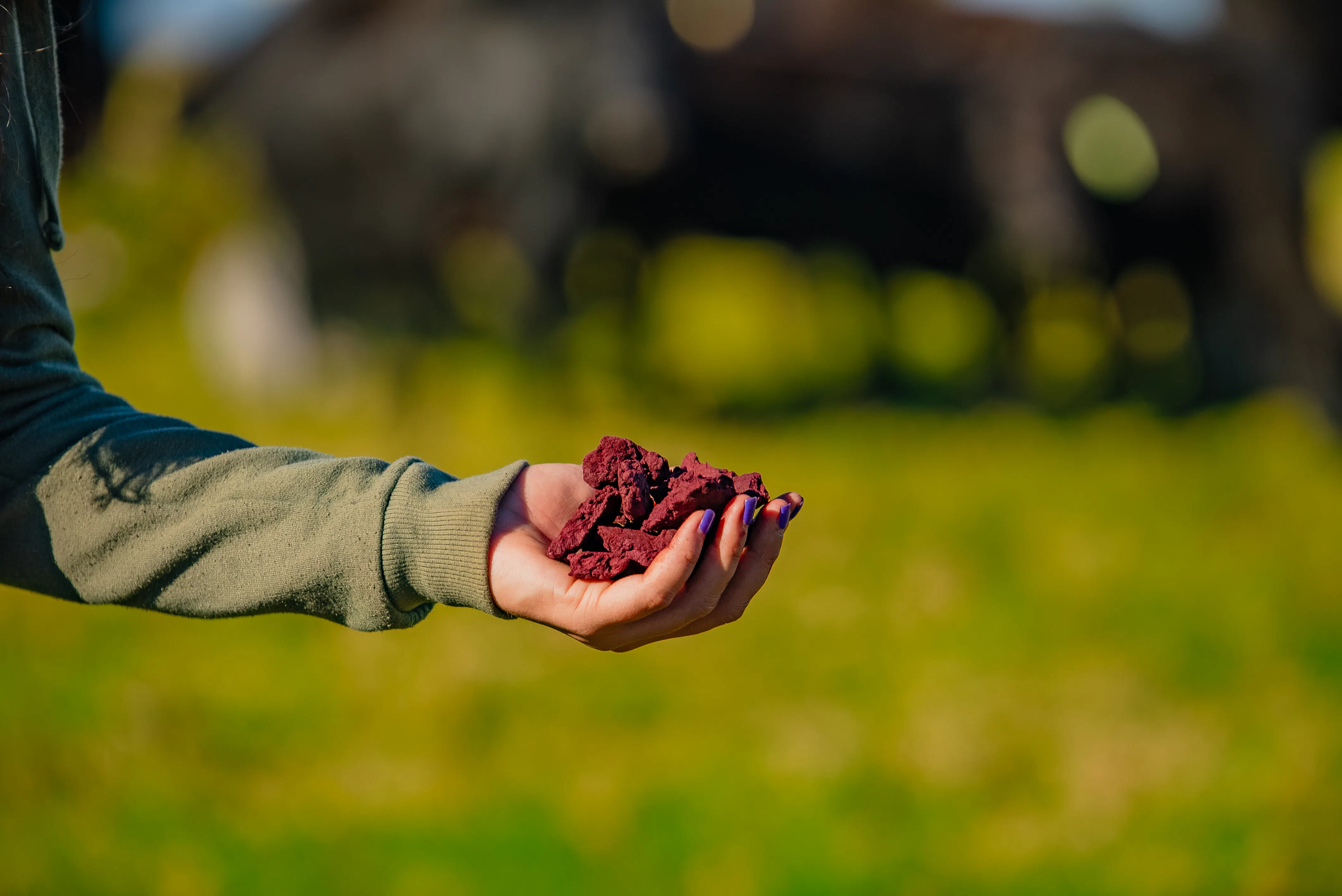
Symbrosia is developing a breakthrough seaweed supplement called SeaGraze, made from Asparagopsis taxiformis, a red seaweed found in tropical to warm temperate waters. Studies have shown that incorporating a small amount of this seaweed into livestock diets can reduce methane emissions by over 90%. SeaGraze inhibits the formation of methane while providing a source of vitamins and minerals, antioxidants, and essential fatty acids to support animal health.
Symbrosia grows its red seaweed in the waters of Hawaii. With a sustainable aquaculture approach, their growing technology requires no fresh water and relies primarily on the sun. The seaweed is then processed into SeaGraze using 100% renewable energy, ensuring that over 90 micronutrients and macronutrients are retained in the seaweed. Symbrosia also partners with producers to quantify methane emissions reductions, helping them to earn carbon credits to create a new income stream.
Support this member:
Learn more about Symbrosia’s seaweed supplements.