The Challenge:
The plastics market, a colossal $600 billion industry, predominantly relies on the use of fossil fuels, perpetuating the relentless release of pollution into our environment as it churns out an ever-expanding array of products. Over the years, plastic has seamlessly integrated into the fabric of our daily lives. But its toxicity and pollution cause significant damage to the environment, human health, and ecosystems around the world.
The unabated cycle of plastic production and consumption is inflicting an insurmountable toll on the planet. Alarming projections suggest that unless we change course, an estimated 5 to 13 million tons of plastic waste will enter our oceans each year, exacerbating an already dire marine pollution crisis. This staggering statistic serves as an urgent wake-up call, compelling us to reevaluate our reliance on plastics and explore sustainable alternatives to mitigate the impending environmental catastrophe.
The Solution:
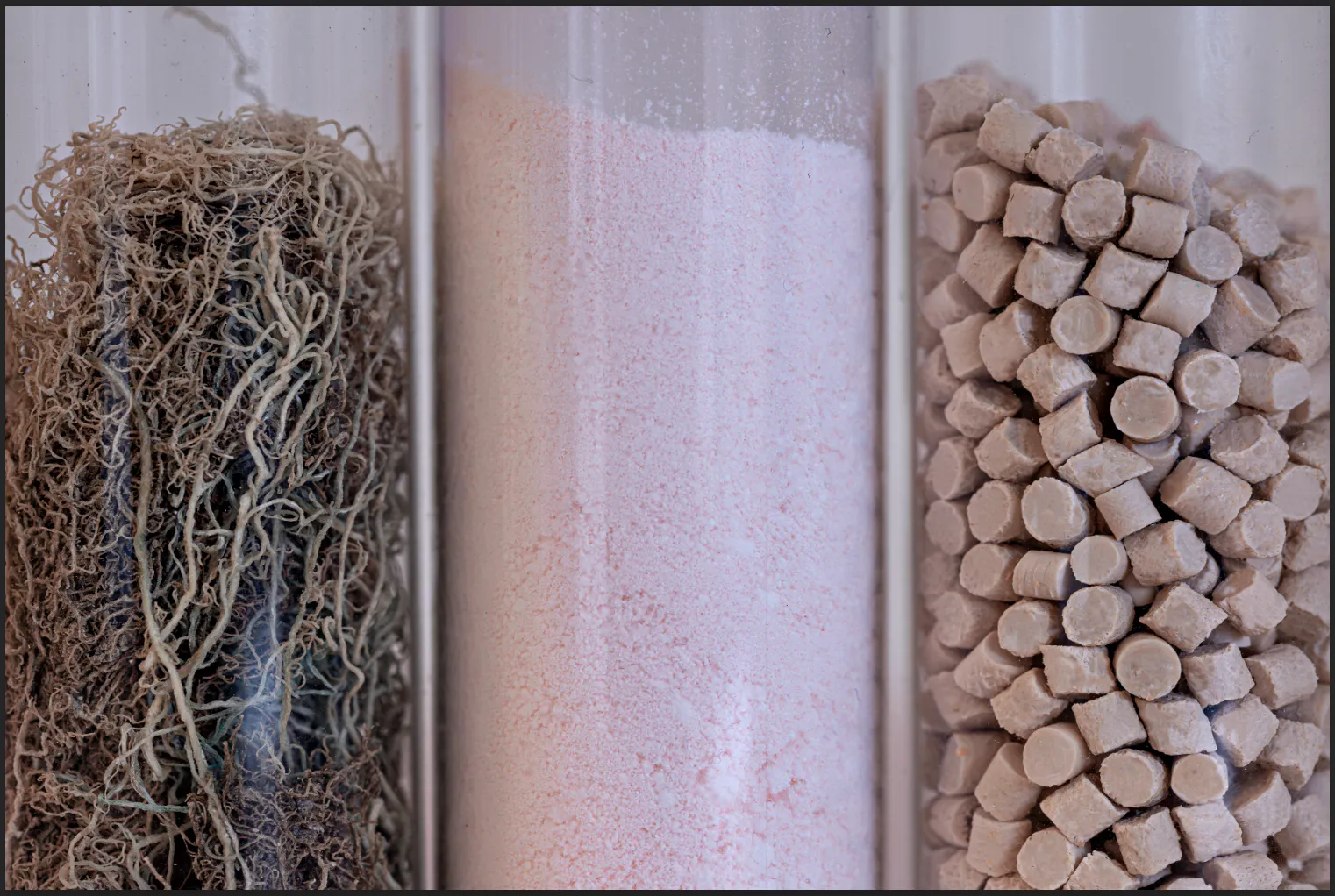
With an unwavering belief in the potential for a solution to the plastics crisis from within our oceans, Uluu embarked on a mission to revolutionize plastic products by introducing a sustainable and eco-friendly alternative. Their breakthrough biomaterial is a type of polyhydroxyalkanoate (PHA) — a natural polymer made via fermentation — produced through saltwater microbes fed by seaweed.
Unlike PHAs made from crops such as corn, which require arable land, fresh water, pesticides and fertilizers, Uluu uses farmed seaweed, a sustainable alternative to resource-intensive agriculture that effectively removes more carbon from the environment than is emitted during the production process. The PHAs have the ability to replace many plastics, while remaining reusable, recyclable, and biodegradable. PHAs are melted into pellets that can be extruded into any plastic form, including films, rigid plastics, coatings, and fibers — able to produce a myriad of everyday items, from packaging, to furniture, car parts and even clothing. The material’s non-water-soluble properties allow it to be used in ways akin to conventional plastics, offering a promising path toward a more environmentally responsible future that minimizes microplastic pollution and plastic waste.
Support this member:
Learn more about Uluu online.