What are the lesser-known costs of the climate crisis?
The economic impacts of a changing climate, from the cost of rebuilding flood-damaged infrastructure to lost agricultural revenue due to drought, are widely discussed. But the climate crisis brings other, lesser-known costs, many of which are difficult to quantify. These non-economic costs can include intangibles such as biodiversity loss, community disruption through displacement, and loss of cultural heritage.
Here are some examples of the lesser-known costs of climate change:
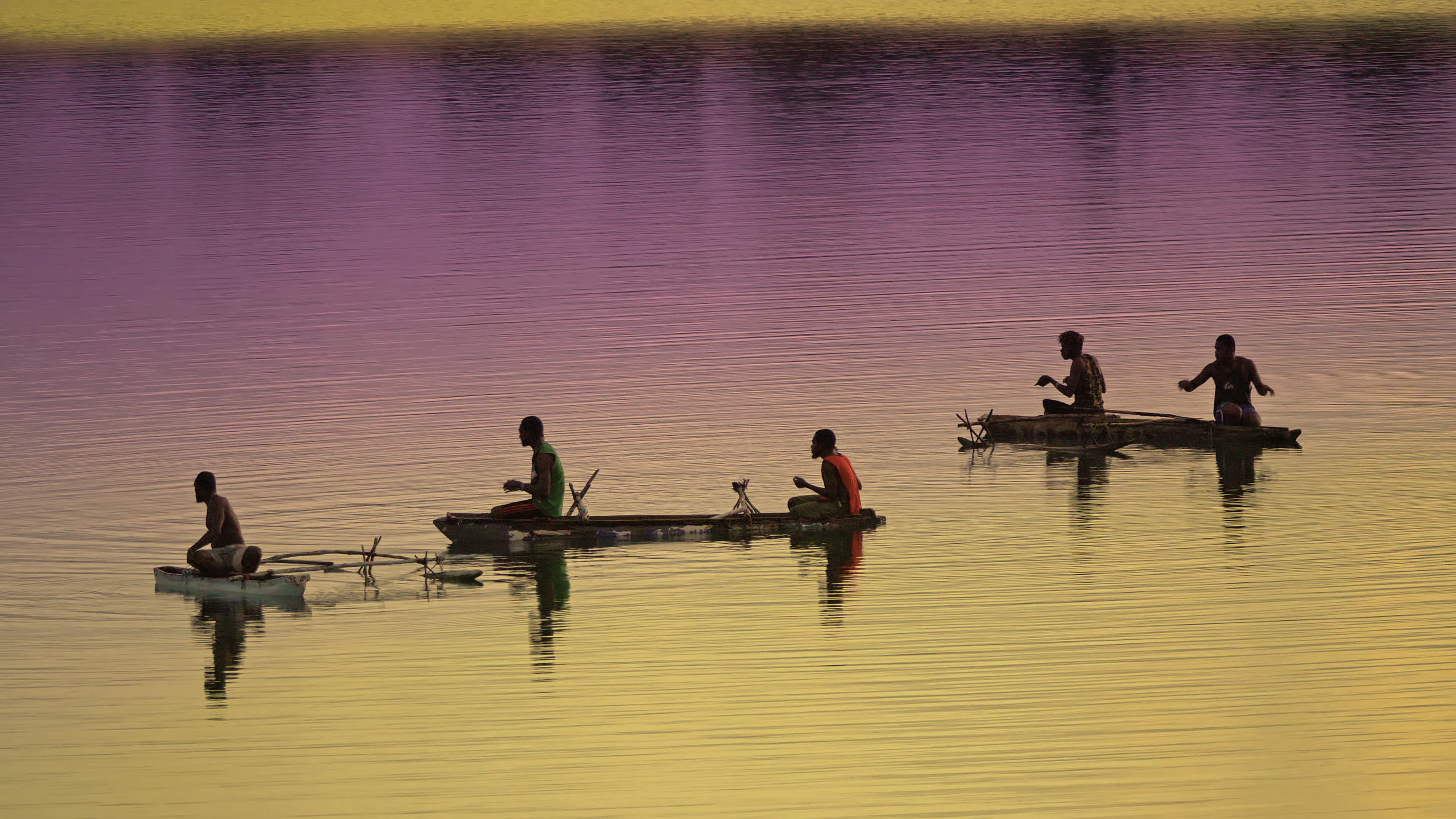
Cultural loss: Communities around the world face the loss of traditional practices, languages, indigenous knowledge, and cultural identity due to environmental changes. Extreme storms in Vanuatu have displaced and separated communities, leading to the decline of the 100 unique languages spoken in the country.
Connection to nature: Changing rainfall patterns and rising sea levels are forcing communities to relocate, disrupting their traditional relationship with the land and the sea. In the Maldives, the disappearing coastline has forced thousands of people from coastal communities to move further inland, causing substantial changes to their lifestyles and livelihoods.
Health risks: Rising temperatures and the increased impact of extreme weather events such as floods and storm surges exacerbate the spread of vector-borne diseases. In Papua New Guinea, king tides and storm surges have created stagnant inland water ponds where mosquitoes thrive and spread malaria, primarily among children.
Loss of livelihoods: Environmental changes and extreme weather events disrupt people's ability to earn sustainable income and provide for their families. In the Dominican Republic, the overgrowth of sargassum seaweed, driven by rising ocean temperatures, is smothering the coast, causing a decline in fish stocks and tangling fishing boats, preventing them from getting out to sea.
Loss of biodiversity: Ocean acidification and coral bleaching are killing coral reefs and the diverse marine life they support. In the Seychelles, over 50% of corals have already died, causing a significant decline in coastal marine biodiversity.
Loss of legacies: Instead of investing in sustainable development, countries and communities are often forced to use their resources to recover from the impacts of climate change. In a sense, citizens are being robbed of their future. The Bahamas estimates that 40% of its national debt is related to climate change.
Migration: Climate change impacts such as sea-level rise and drought displace communities and trigger mass migration. By 2050, up to one billion people could be forced to leave their homes and migrate to more habitable places, according to the UN’s International Organization for Migration.