
Explainer
Plastic Policy
The Best and Worst Countries
How a nation deals with plastics can have effects well beyond its borders—and some governments are more guilty than others.
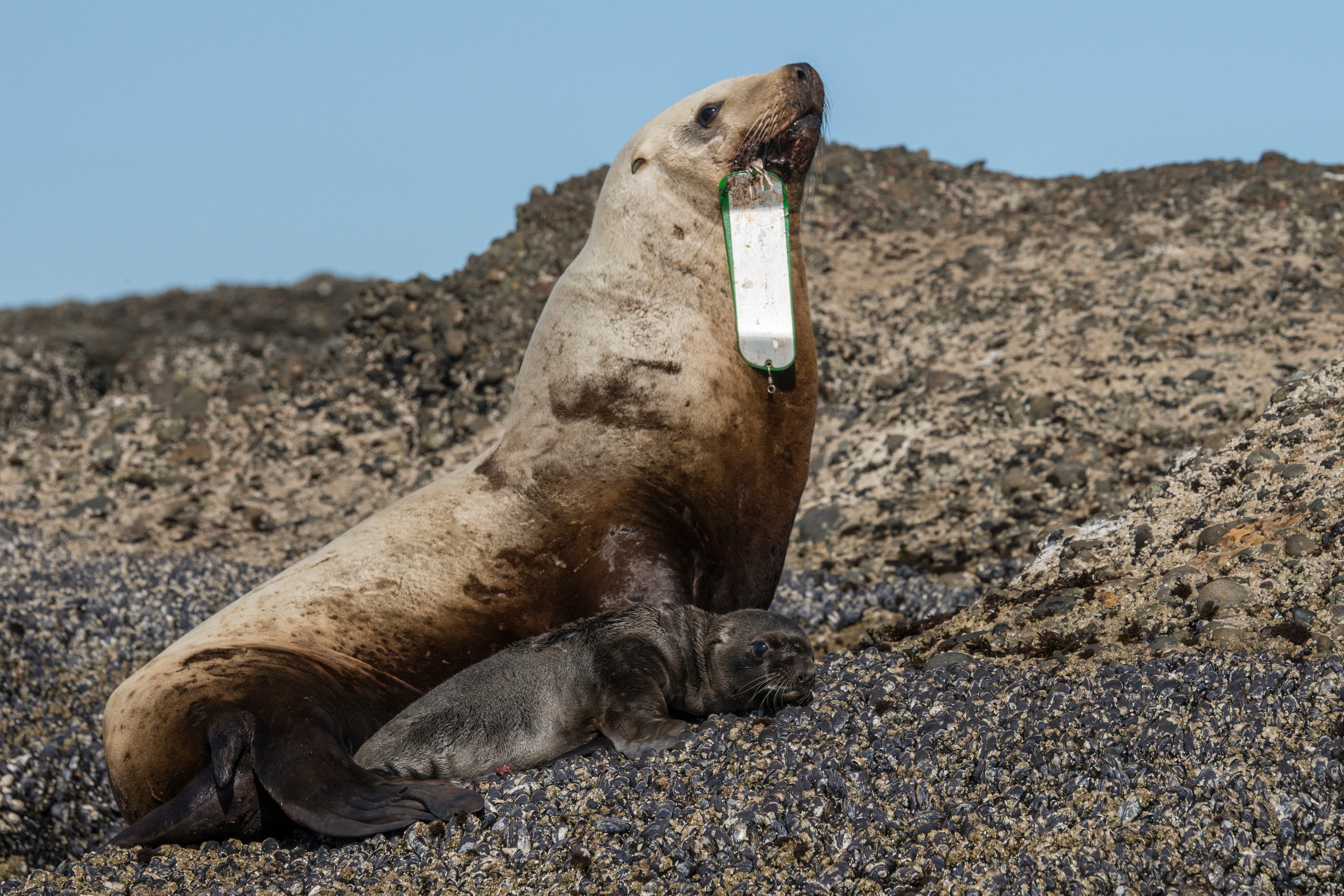
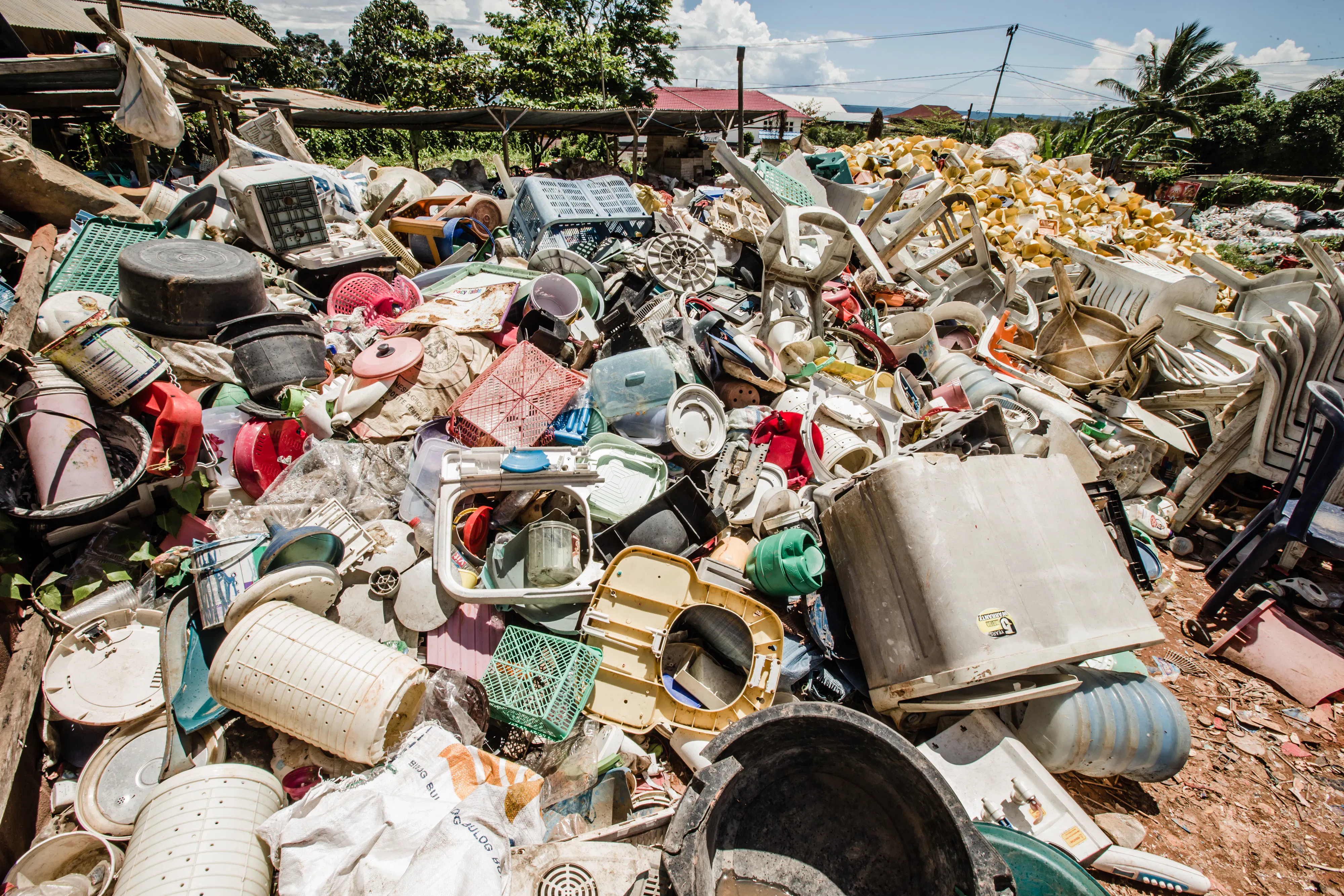
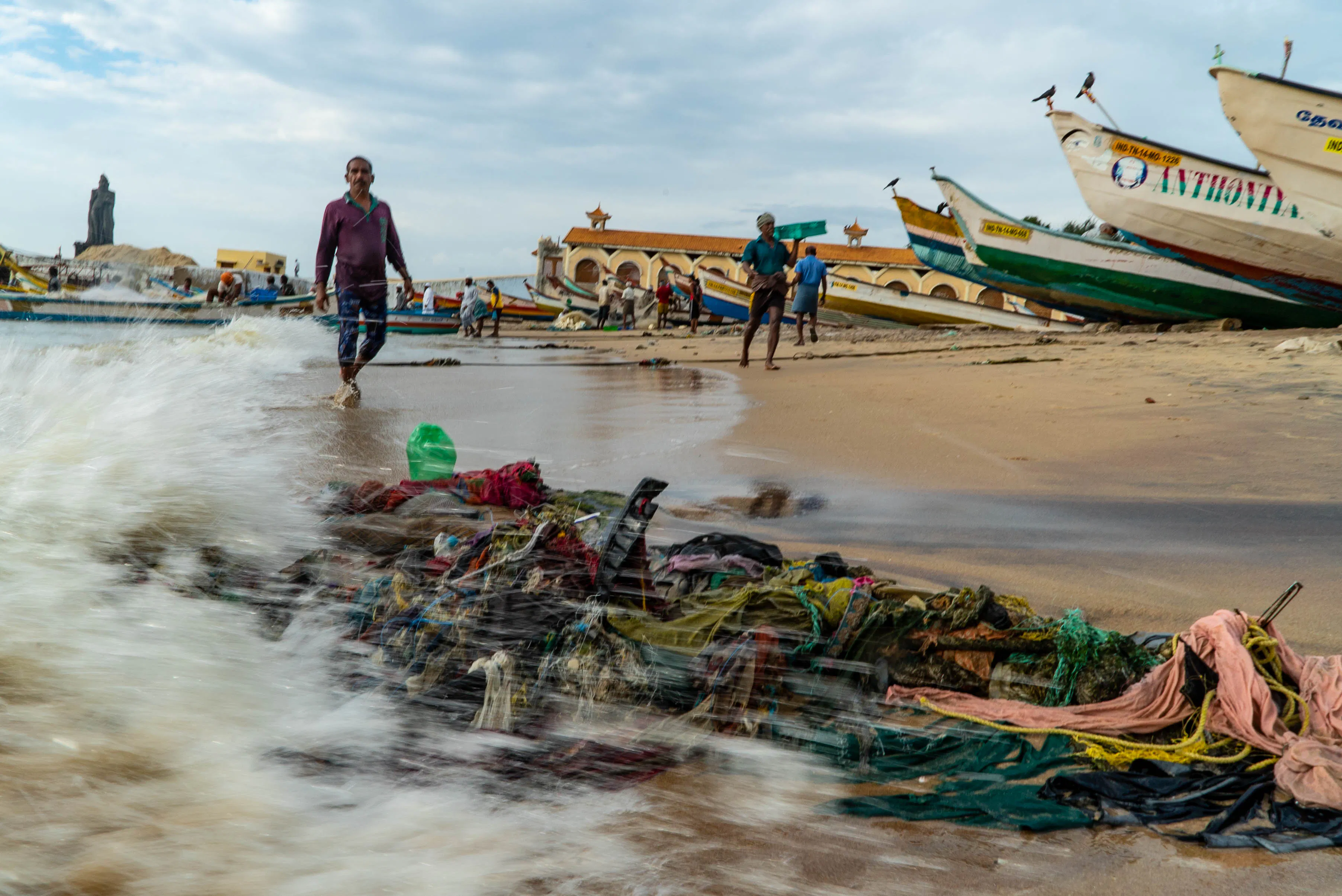
To name a few, the United States exports supposedly recycled plastic to low-income countries without the resources to manage it. India has a flawed waste management approach that makes the Ganges River a major source of plastic flowing into the ocean. And China and Saudi Arabia are allowing fossil fuel companies to produce more plastic as demand for oil and gas wanes.
Policy decisions like these are contributing to a global plastics crisis that citizens alone can’t fix.
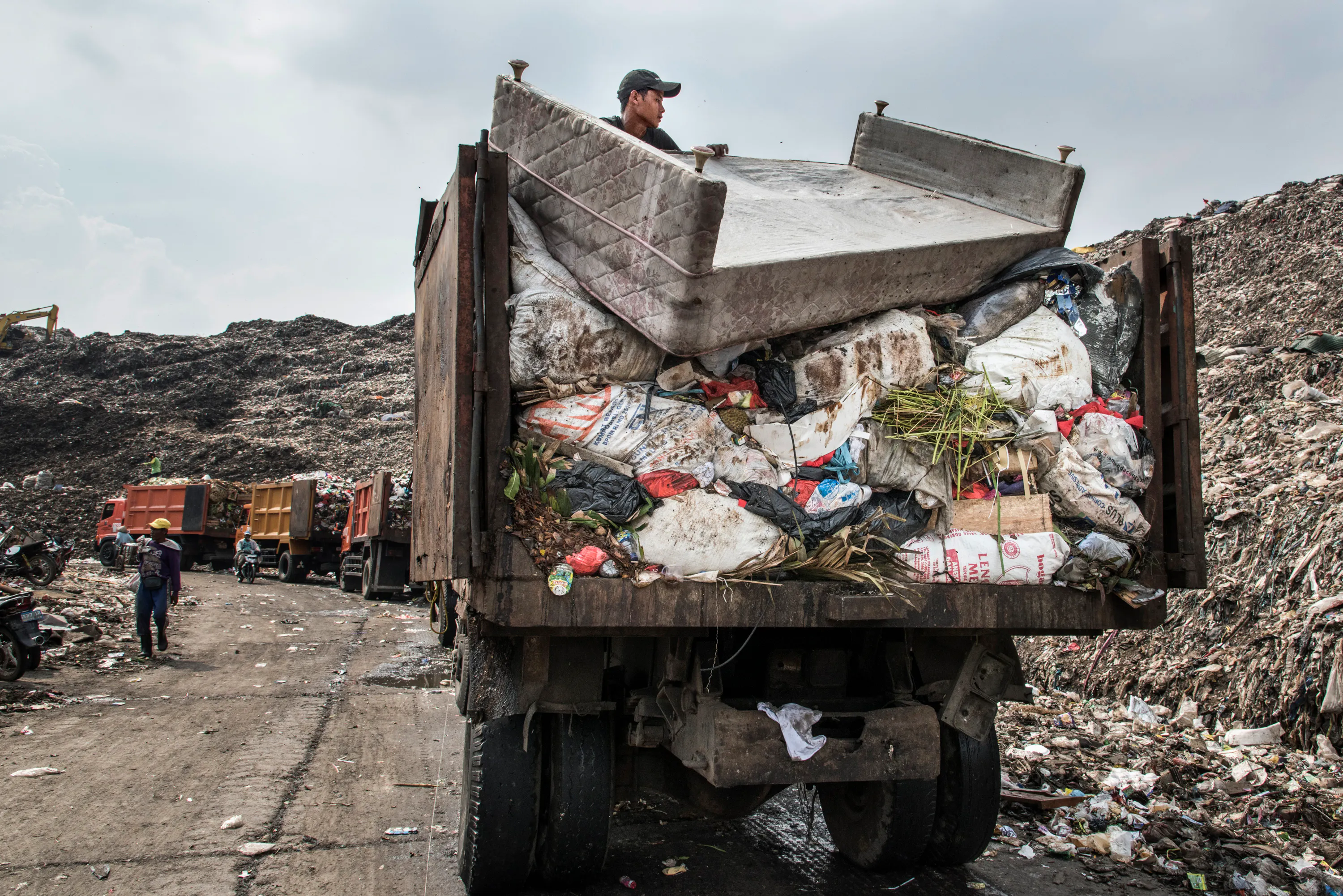
Since 1950, plastic production has grown faster than the global economy, ratcheting up private sector profits and waste. Today, manufacturing new plastic costs less than recycling it.
But government policies can help combat plastic pollution, and many countries have been leading the way.
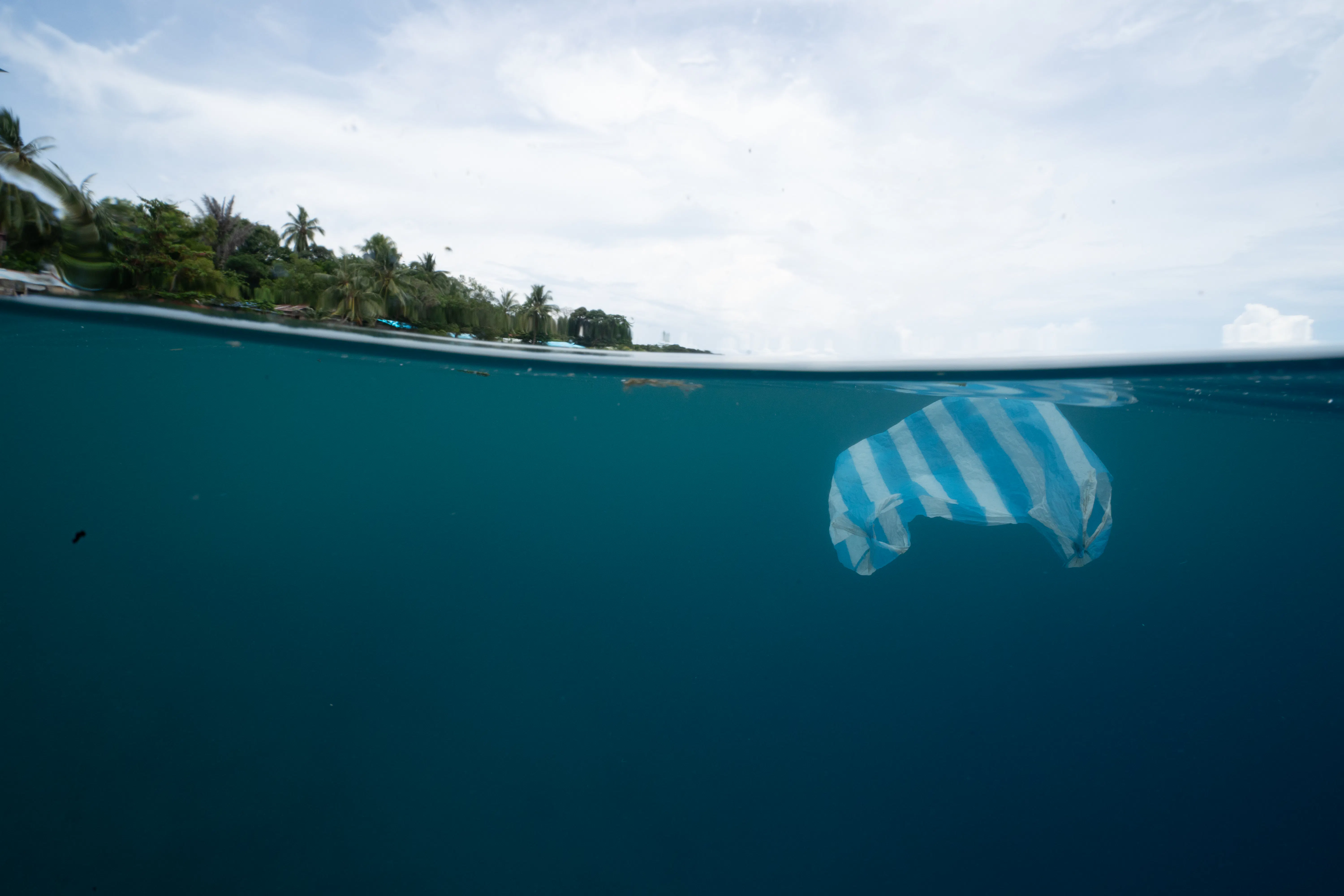
Ireland and Eritrea have long regulated the use of plastic bags. South Korea and Germany require plastic producers and importers to pay for recycling. Paraguay and Uganda became the first landlocked nations to commit to the Clean Seas campaign launched by the UN, joining 13 Small Island Developing States. Chile banned single-use plastics from restaurants and set standards for using recycled materials. And the European Union has agreed to tax non-recycled plastic packaging waste and ban the ten most beach-polluting plastic products.
All this policy progress is hopeful. But only with a global treaty can we hold nations accountable for the pledges they make, and ensure that those with the worst records on governing plastics improve.

More Explainers
Sources
CNBC: India will ban single-use plastics next year to cut pollution — experts say that’s not enough
UN Environment Programme: How countries are turning the tide on marine plastic pollution
Environmental Health News: The US falls behind most of the world in plastic pollution legislation
Yale Environment 360: Europe’s Drive to Slash Plastic Waste Moves Into High Gear
Global Reporting Centre/NBC News: The house that plastic built