For many of us, what first comes to mind when we think of marine protection is the goal of conserving the animal and plant species that call the ocean home.
It is true that the ocean is an astonishing feat of nature, worth protecting in itself. It contains more biodiversity than we can possibly imagine. Successfully protecting at least 30 percent of the global ocean by 2030 would provide safe haven for many marine species, from scaly Galápagos marine iguanas to swaying seagrass beds in The Bahamas.
Yet 30×30 is, in fact, connected to all areas of life. The decisions made about marine protected areas (MPAs) in the next decade will affect everyone on Earth, some more than others.
Below are six reasons to care about 30×30 that connect us all as human beings. You may have come across some already, but will discover new angles. Others may surprise you!
1.
The ocean is part of humanity’s heritage
Every culture has its own world view, take on religion, and problem-solving processes. Cultural preservation is vital in maintaining our human identities and these perspectives are worth preserving because, if we learn from them, they can help us solve our problems. 30×30 will help preserve the sacred places of cultures intricately linked to the ocean.
Within these cultures, the right to fish in a particular area was controlled by a clan, chief, or family, who would establish permanent or temporary areas where fishing was not allowed. This prohibition was often tied to a belief system. Today, countless MPAs worldwide hold spiritual value for neighboring communities—playing a traditional role in a people’s creation story or for the spiritual inspiration and rejuvenation it offers.
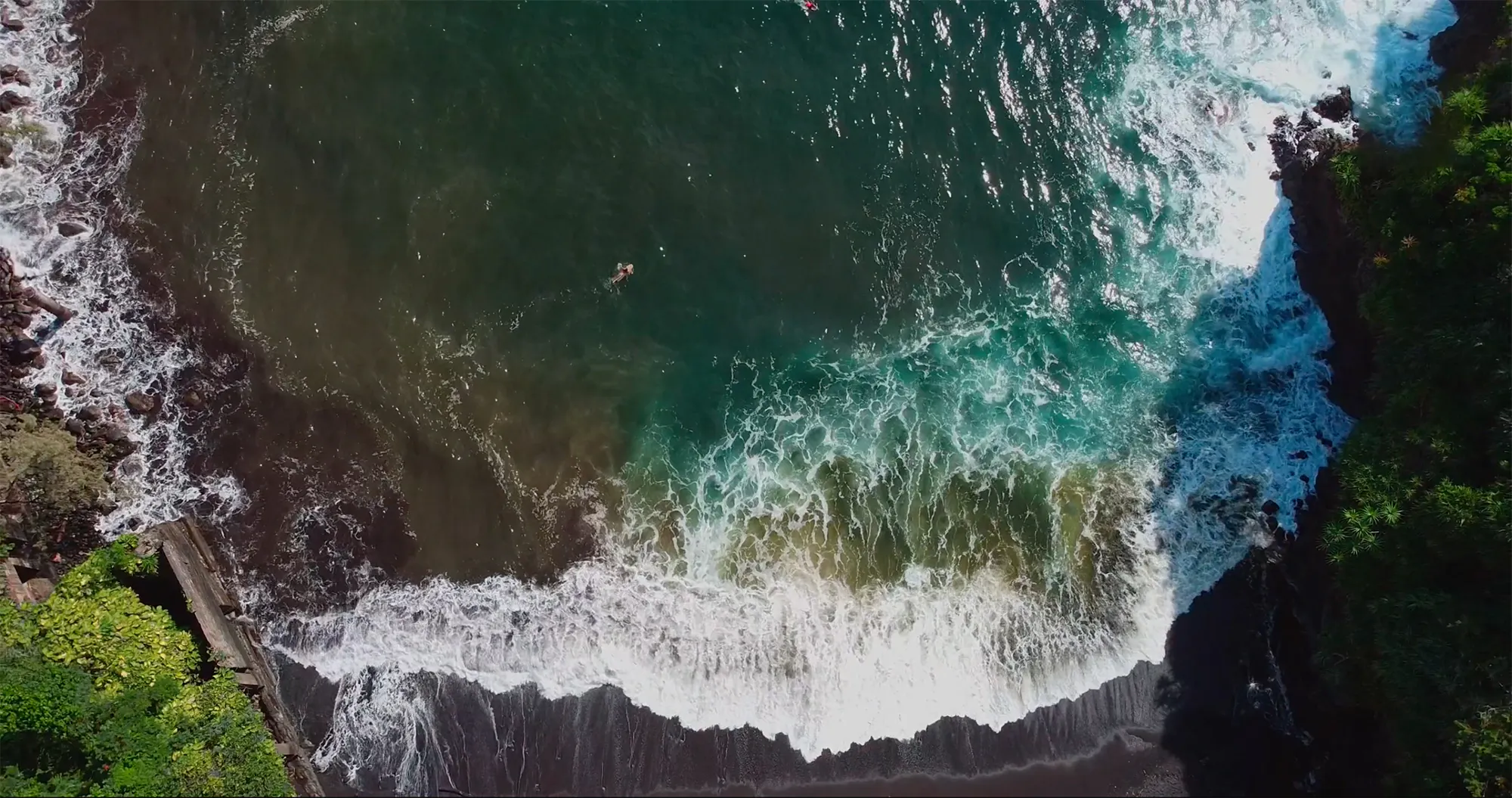
One of these is the Papahānaumokuākea Marine U.S. National Monument, and at more than 1.5 million square kilometers, it is one of the largest marine conservation areas in the world. It is a sacred area, from which Native Hawaiians believe all life springs, beginning with the coral polyp—the building block for all life. Papahānaumokuākea represents Native Hawaiians’ ancestral connection with the gods who created those coral polyps, the Kūpuna (respected elders) Islands, and everything else in the archipelago, including Native Hawaiians.
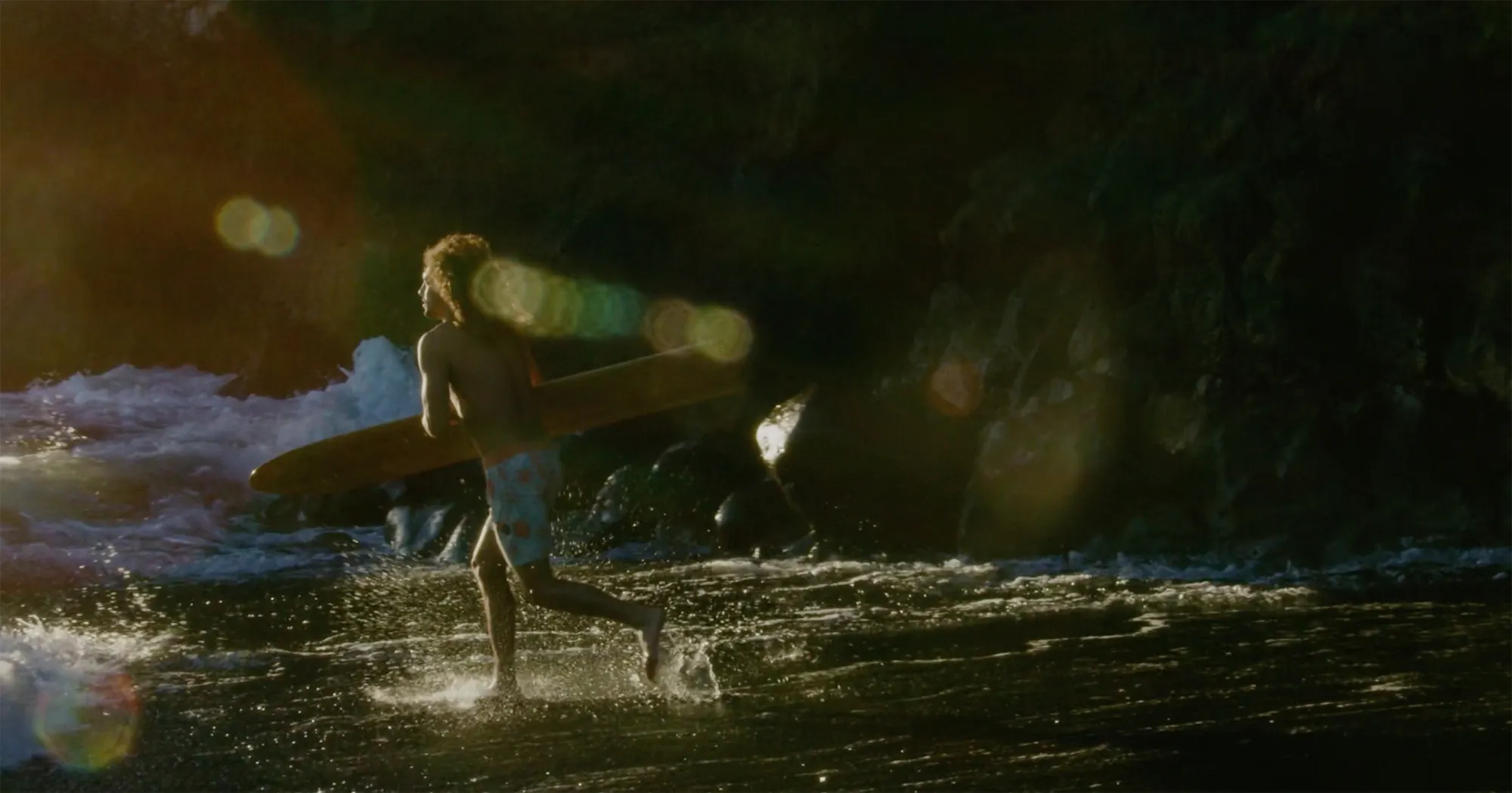
Native Hawaiian surfer, chemist, and journalist Dr. Cliff Kapono is speaking up for 30×30 for love of the ocean.
Watch his short film here (3 mins)

2.
The ocean is the birthright of future generations
30×30 matters because it is up to us to protect the ocean for future generations. Many of us remember the magic of the first wave we jumped in, the first sandcastle we built, or the first time we dived under the salty surface. By thoughtfully creating MPAs around the world, we can ensure the youth of tomorrow will experience the extraordinary presence of the ocean as we have—or, better yet, we can pass on an ocean that is healthier, cleaner, and more productive.
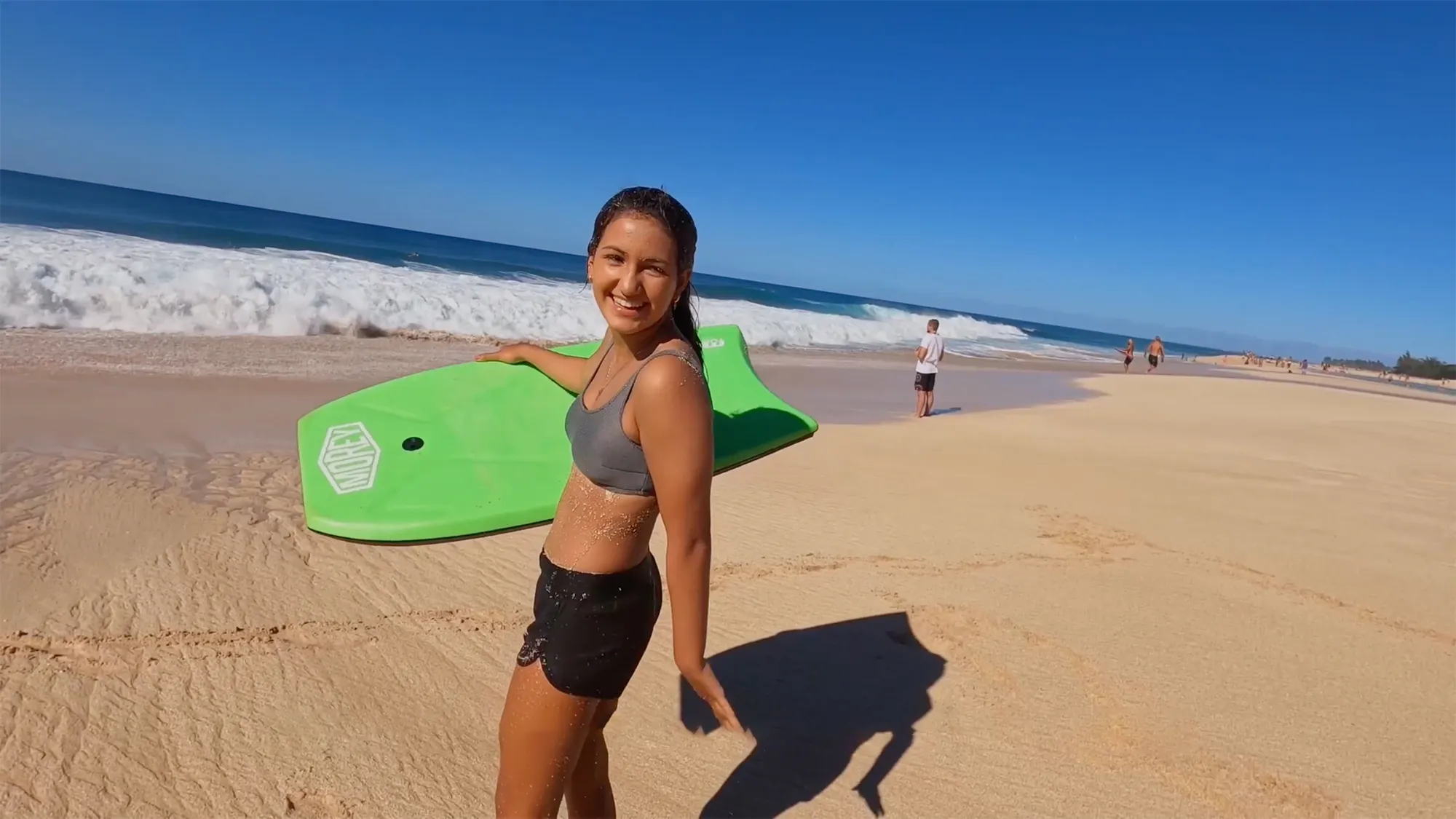
Professional surfer Sophia Medina is speaking up for 30×30 because the future of the ocean is at stake.
Watch her short film here (2 mins)
3.
The ocean heals us
The ocean supports both our physical and our mental health. When we step into the sea, the human body reacts by selectively shutting down parts of the body to conserve energy for survival—but this also has a calming effect and is linked to improved mental wellness. Recreational activities such as surfing and diving are increasingly playing a role in therapy for disorders such as PTSD. Just seeing or being near the sea regularly has a positive impact on human well-being—which makes it even more important that we work to provide equitable access to beaches.
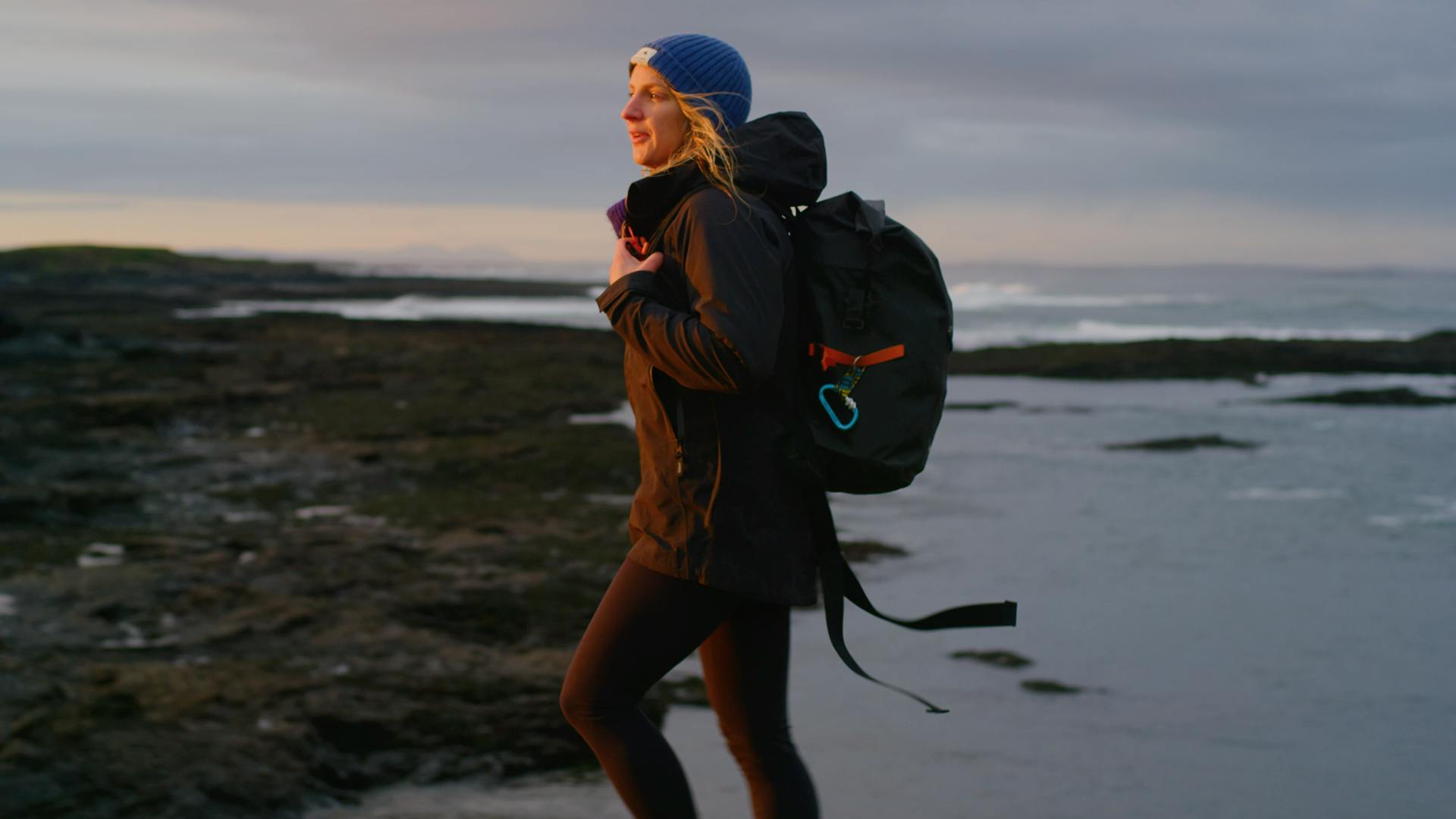
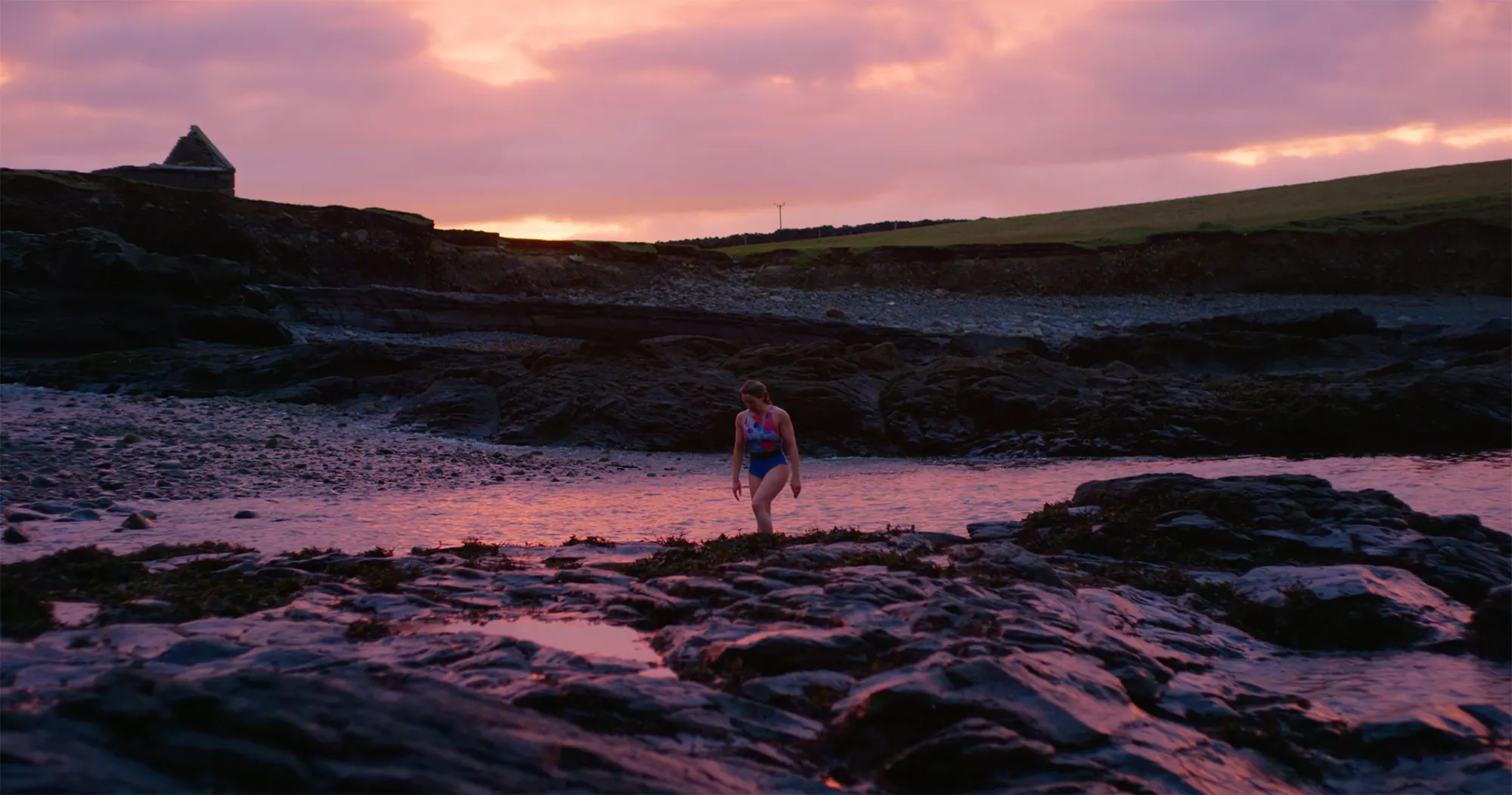
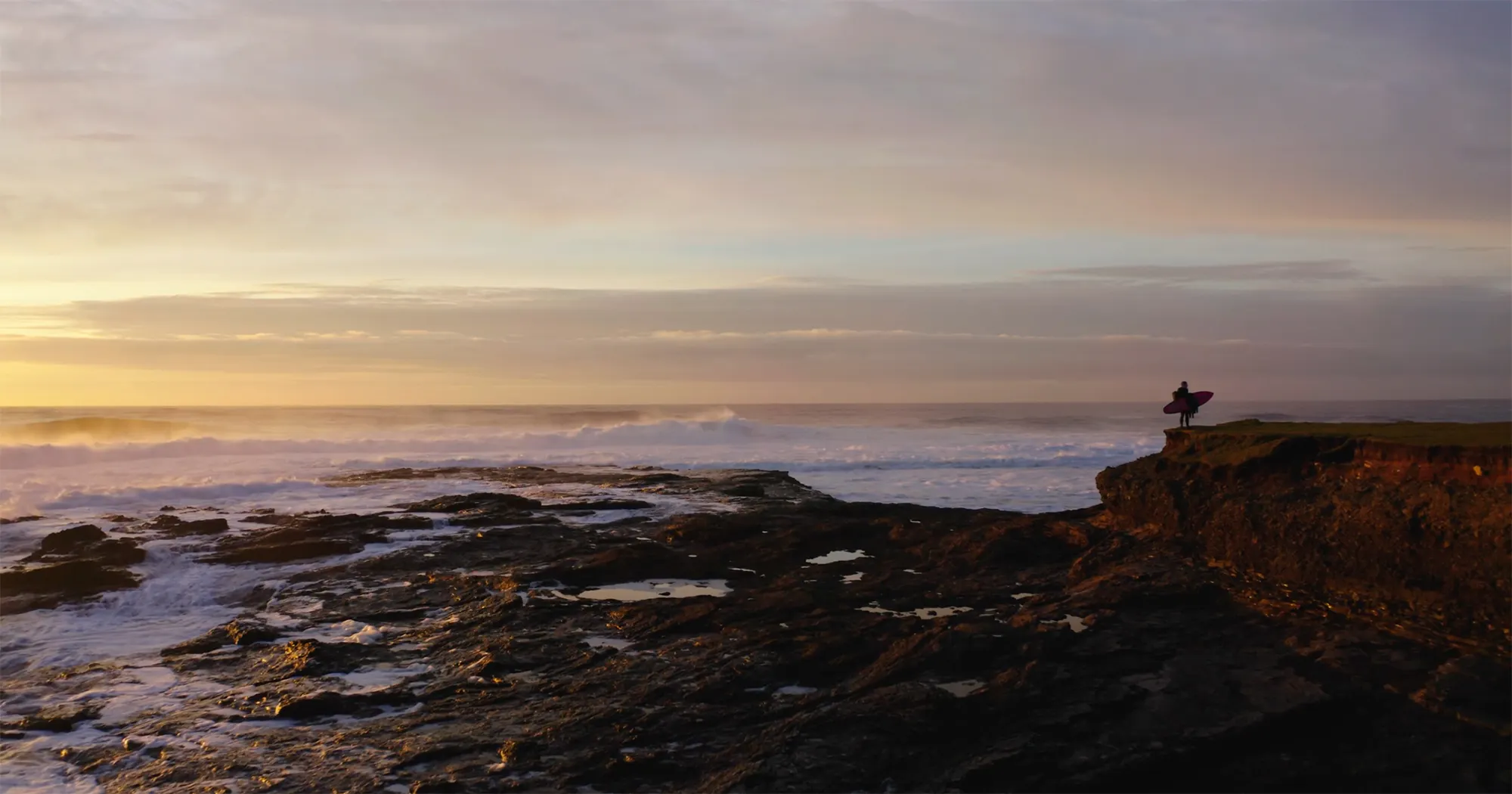
Marine social scientist Dr. Easkey Britton is speaking up for 30×30 to show her love and gratitude for all the ocean gives us.
Watch her short film here (3 mins)
4.
The ocean helps us tackle the climate crisis
Tackling the climate crisis is going to take a much bigger global effort and significant innovation, but 30×30 can promote the resilience of ocean habitats—or the ability of an ecosystem to bounce back from a stressful event and still provide its service. With an MPA, we take away the human-induced pressures from the ocean habitat so that when things like warming or acidification events happen, they are much easier for marine life to cope with. This allows damaged areas to recover, and also preserves intact, pristine ecosystems that are more resistant to climate change and can help repopulate the rest of the ocean in the future.
What’s more, the ocean holds the potential to provide up to 25 percent of the greenhouse gas emissions needed by 2050 to keep the world on a 1.5°C pathway. This would be an enormous contribution to the efforts to tackle the climate emergency and MPAs are vital in protecting the ocean’s unique “blue carbon” ecosystems—like mangroves, seagrasses, and salt marshes—that can help us take carbon dioxide out of the atmosphere.
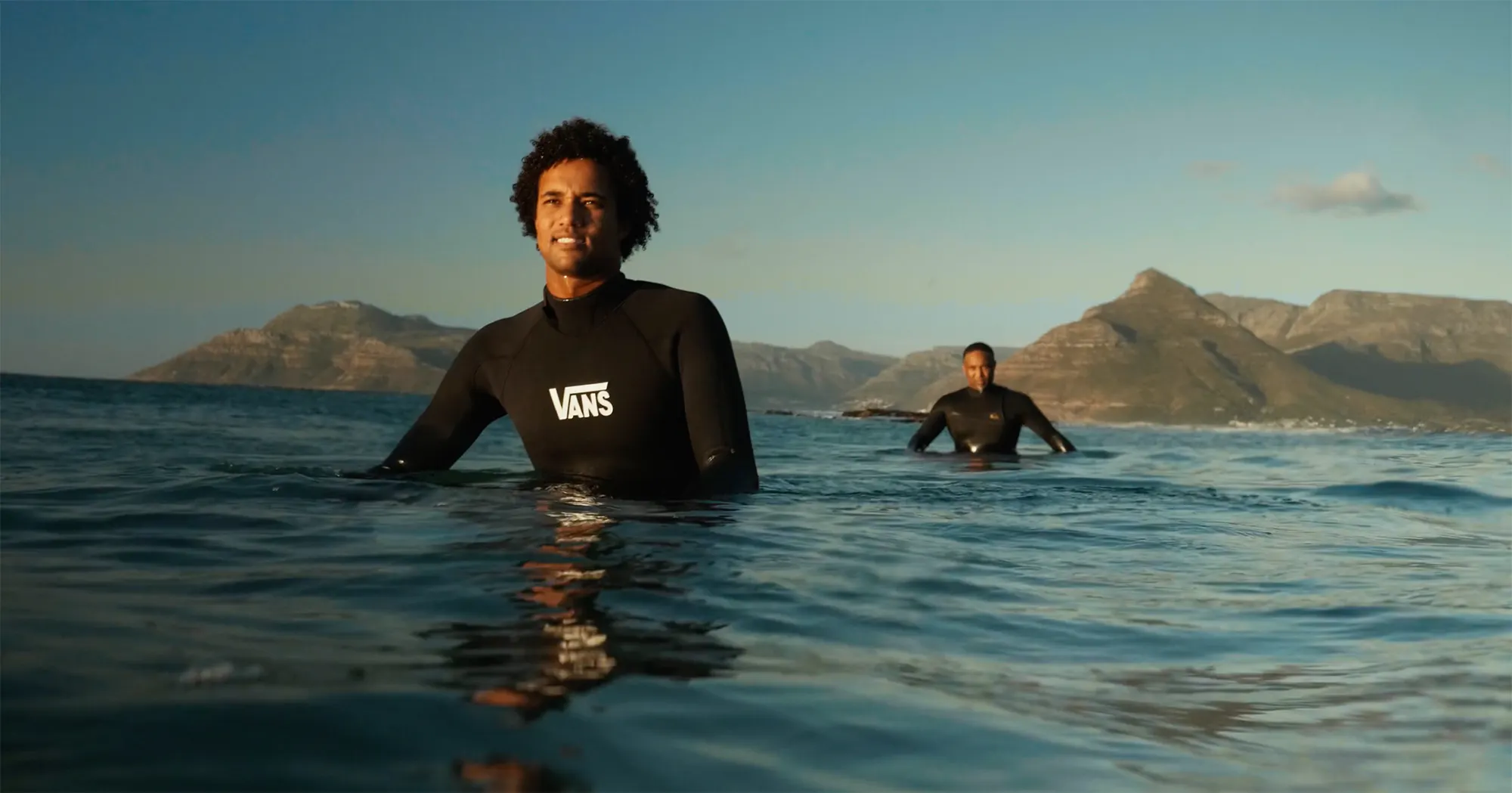
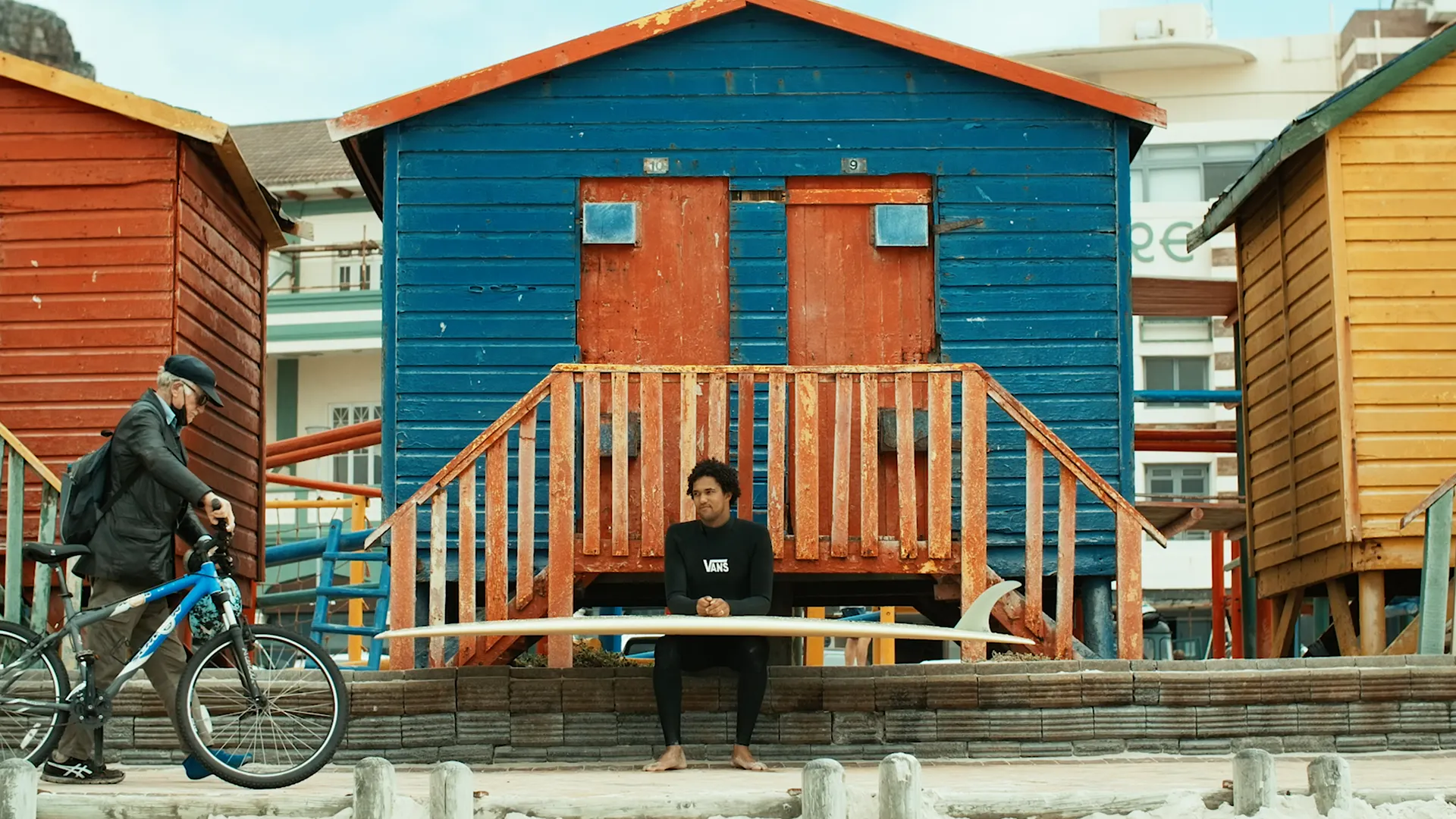
Pro surfer and nonprofit founder Mikey February is speaking up for 30×30 to treat the ocean with the respect that it deserves.
Watch his video here (3 mins)

5.
The ocean is integral to environmental justice
MPAs aren’t just about protecting important marine life, we have to consider the fact that humans are a part of the ecosystem—if we want the protections to be successful. Everyone that is impacted by an MPA should have a say in how it’s implemented and managed. The most successful MPAs build and support adjacent communities and give all stakeholders a voice in the process. Many MPAs also include opportunities for underserved populations to access ocean benefits more equitably and should always uphold the rights of indigenous communities.
30x30 will help lessen some of those impacts and help protect nations whose waters have been traditionally exploited by more developed countries. Many developed nations that have the capital to invest in new technology and equipment for fishing fleets have overfished their own waters and have turned to areas like the coast of West Africa. These waters are now being overexploited and hurting the local small-scale fishers who need to fish for food and income.
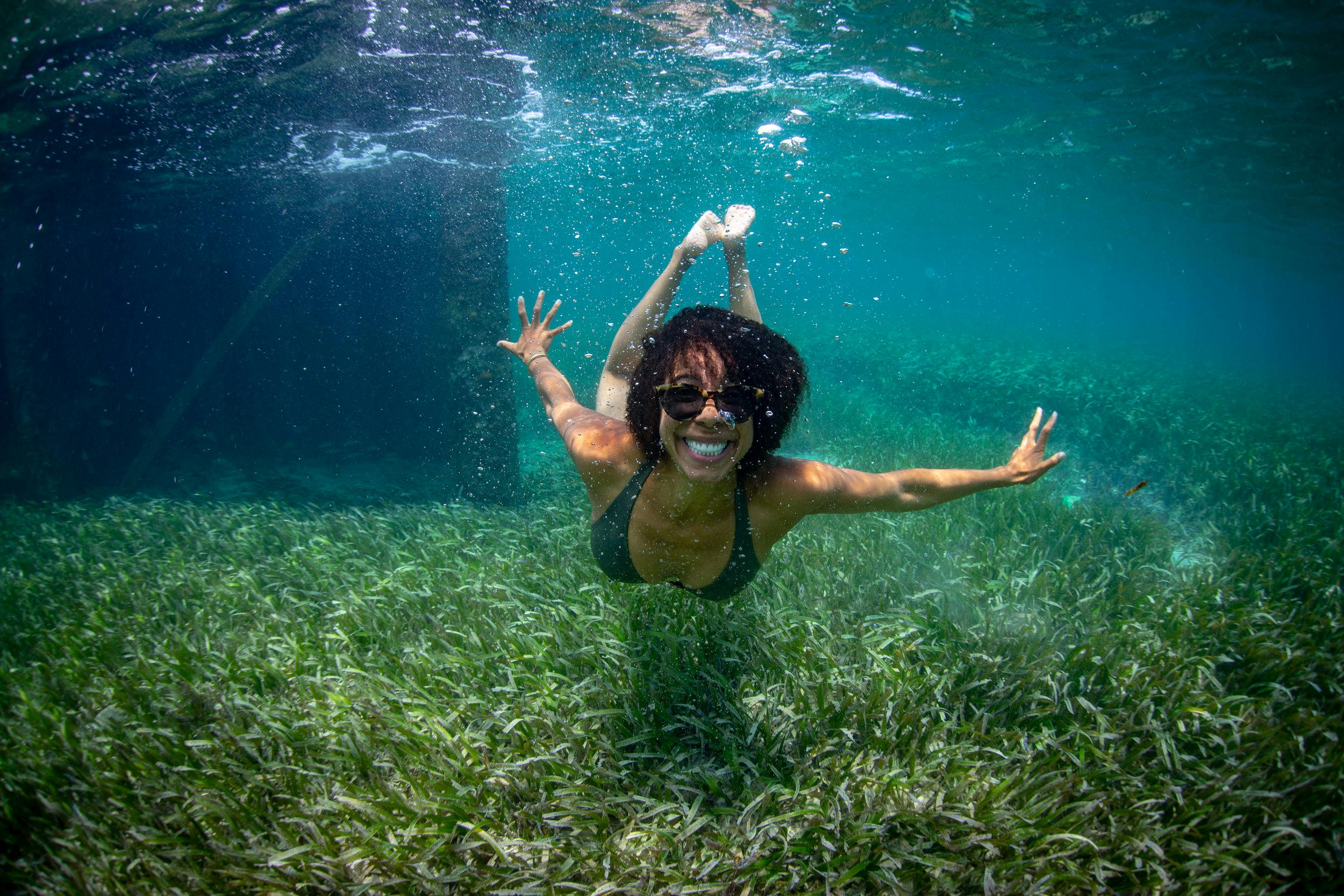
Marine biologist and policy expert Dr. Ayana Elizabeth Johnson is speaking up for 30×30 to protect the ocean that protects us.
6.
The ocean supports our livelihoods
From the food we eat to the recreational activities we enjoy, the ocean is a driving force in our global economy. This is especially true for island nations whose entire economy relies on ocean-based services such as artisanal fishing and blue tourism. As our understanding of the ocean and our technological abilities improve, there will undoubtedly be new possibilities for businesses revolving around life in our seas. This will require a healthy ocean that 30×30 can help achieve.
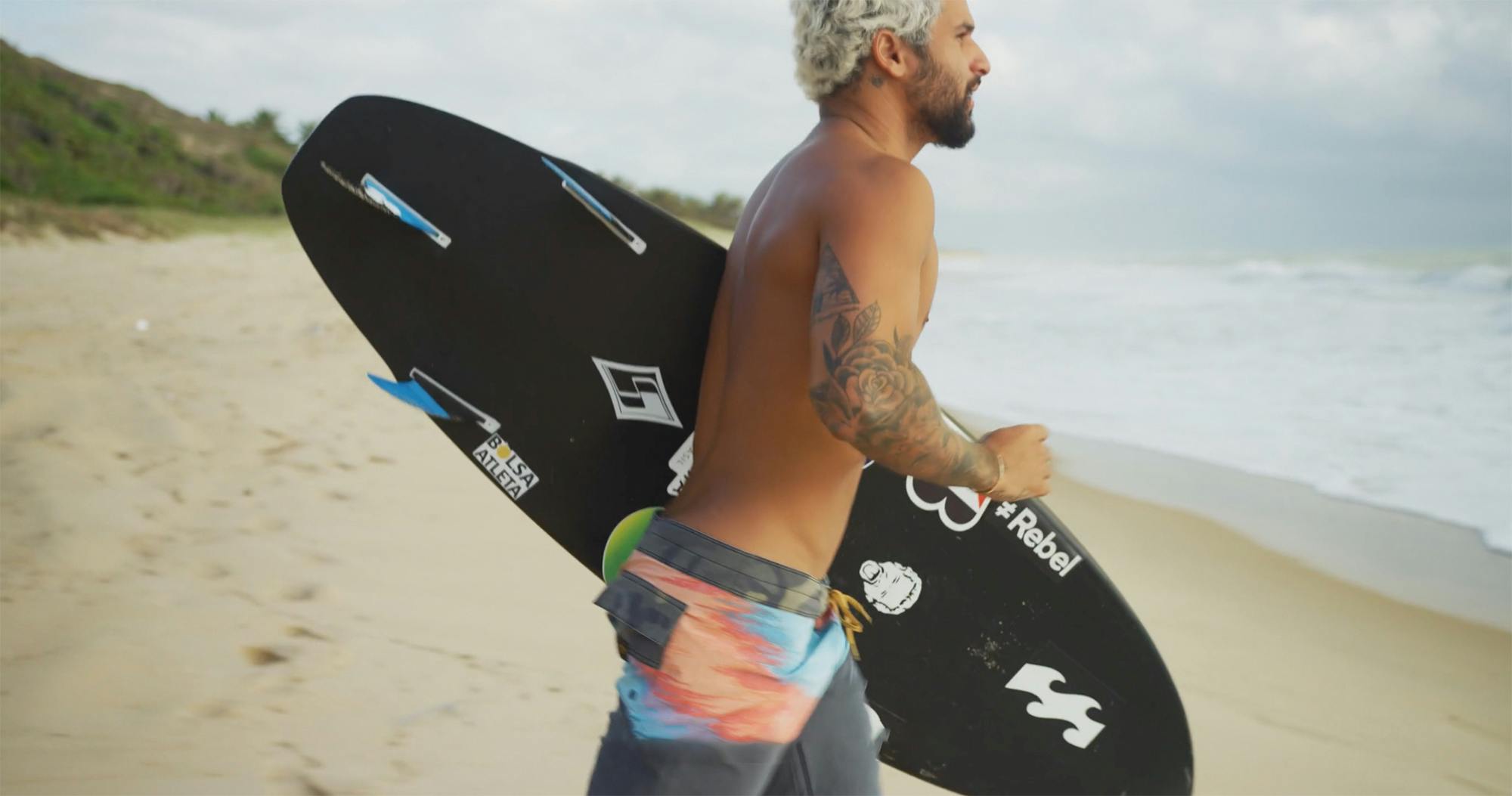
WSL World Champion and Brazilian professional surfer Italo Ferreira is speaking up for 30×30 because the ocean inspires him.
Watch his short film here (3 mins)
Act with Dr. Cliff Kapono, Sophia Medina, Dr. Easkey Britton, Mikey February, Dr. Ayana Elizabeth Johnson, Italo Ferreira, and countless individuals around the world, in support of 30x30.
Explore the full campaign at weareoneocean.org