
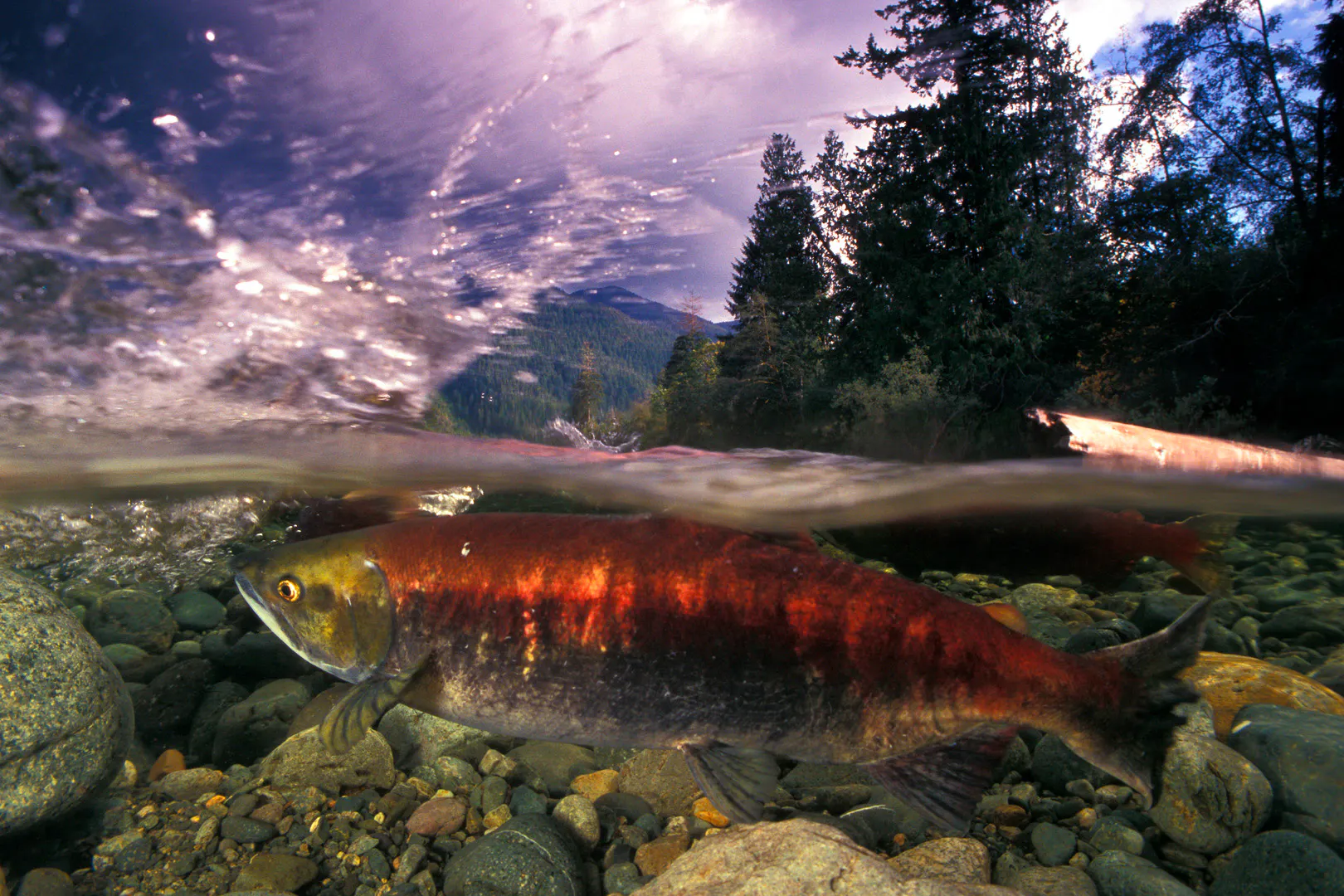
Salmon, the unsung hero of our ecosystems.
Stop Salmon Extinction in 2022
Restore the Snake River

Remove Salmon Farms from BC

Our Reliance on Salmon
Salmon are a keystone species that serve a vital role in our daily lives and as the foundation of our ecosystem.
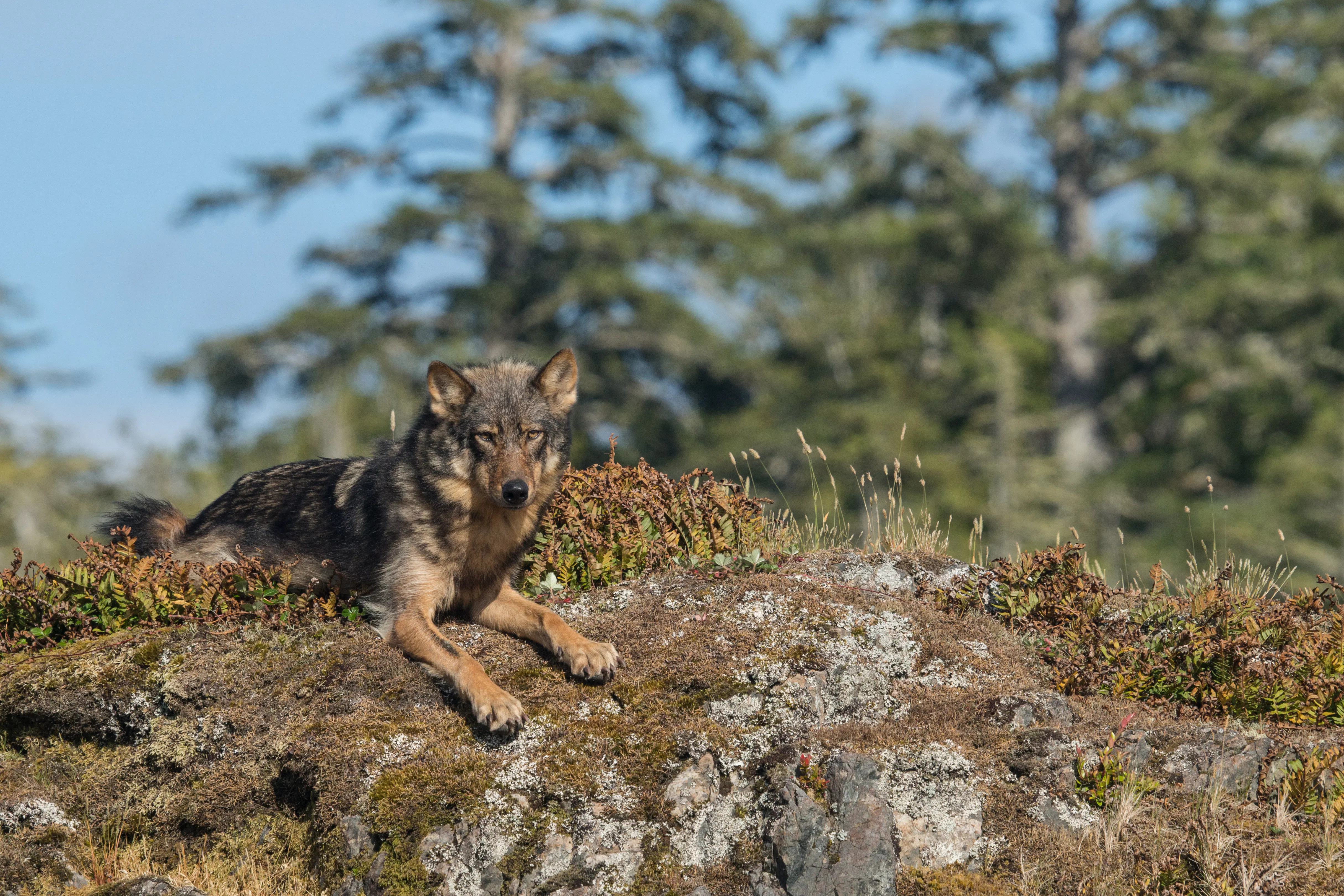
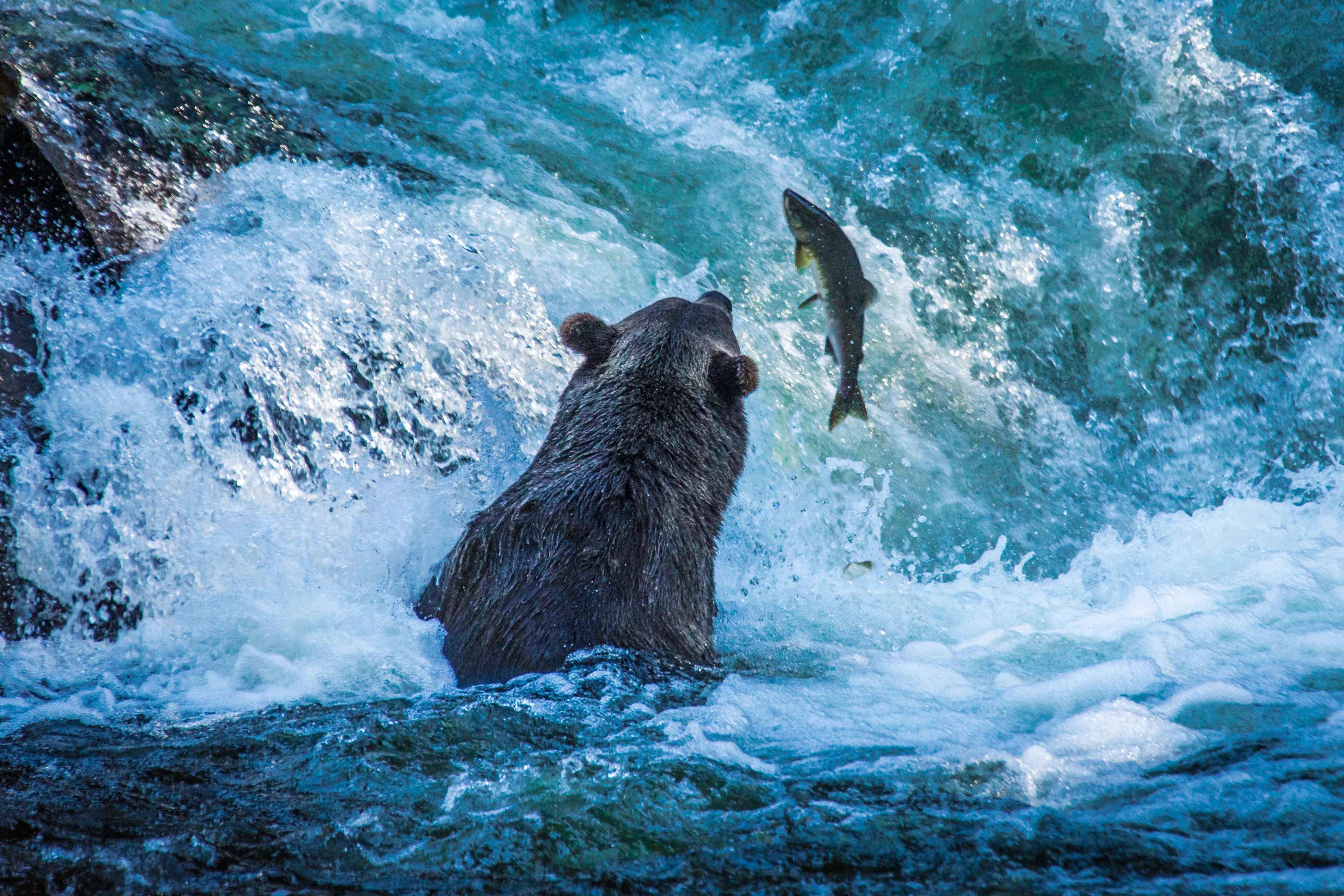
The anadromous fish are the conduits of moving key marine nutrients from the ocean to river ecosystems that nourish forests. Their roles extend to assisting with climate change through carbon capture and preventing harmful emissions from being released into the atmosphere. Additionally, salmon are primary sources of food for many wildlife, including orcas, wolves, eagles, seals...the list goes on.
Yet, they are being threatened with extinction. And with their extinction, all wildlife and ecosystems that depend on their survival are also threatened, including our own.
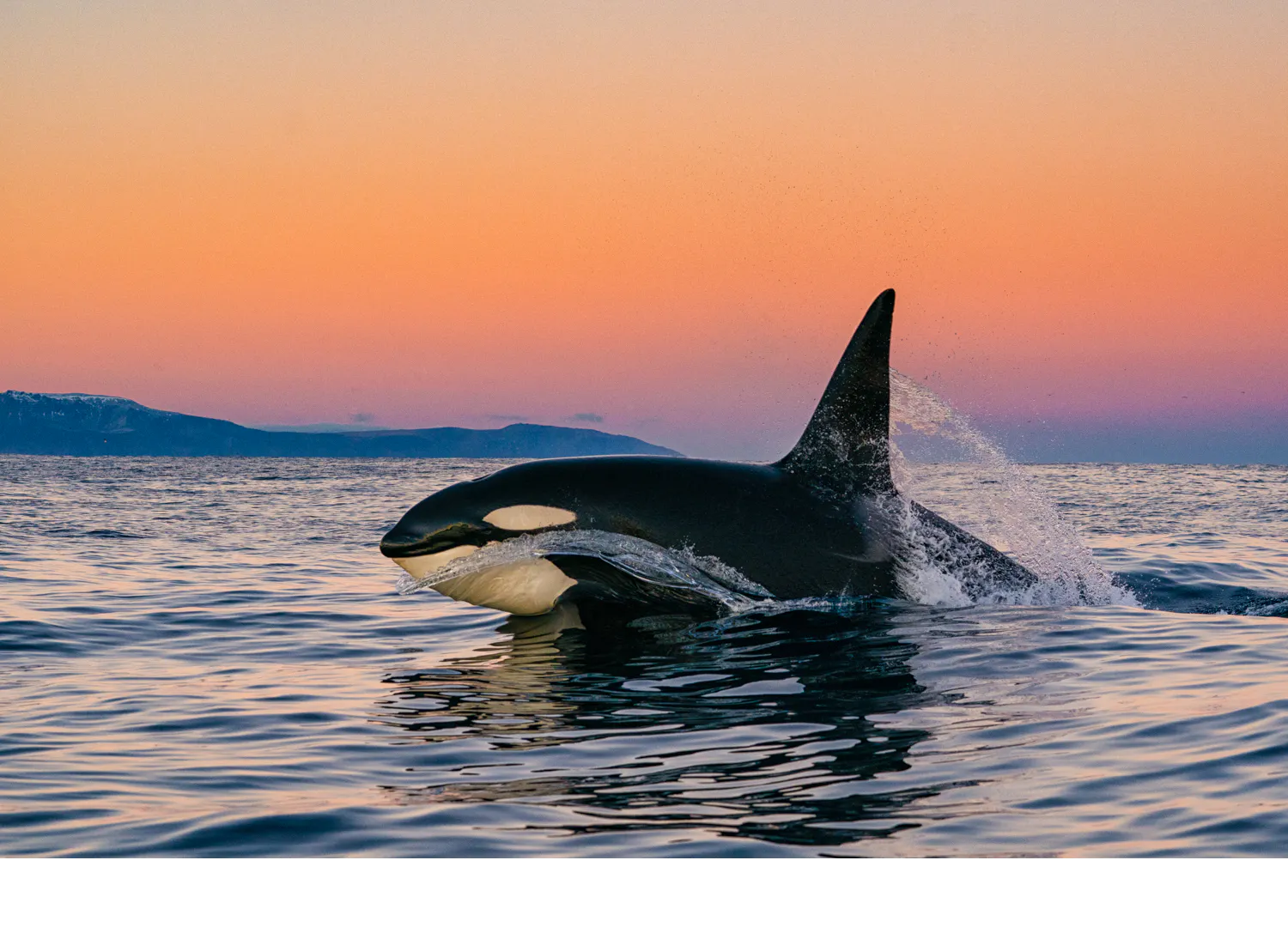
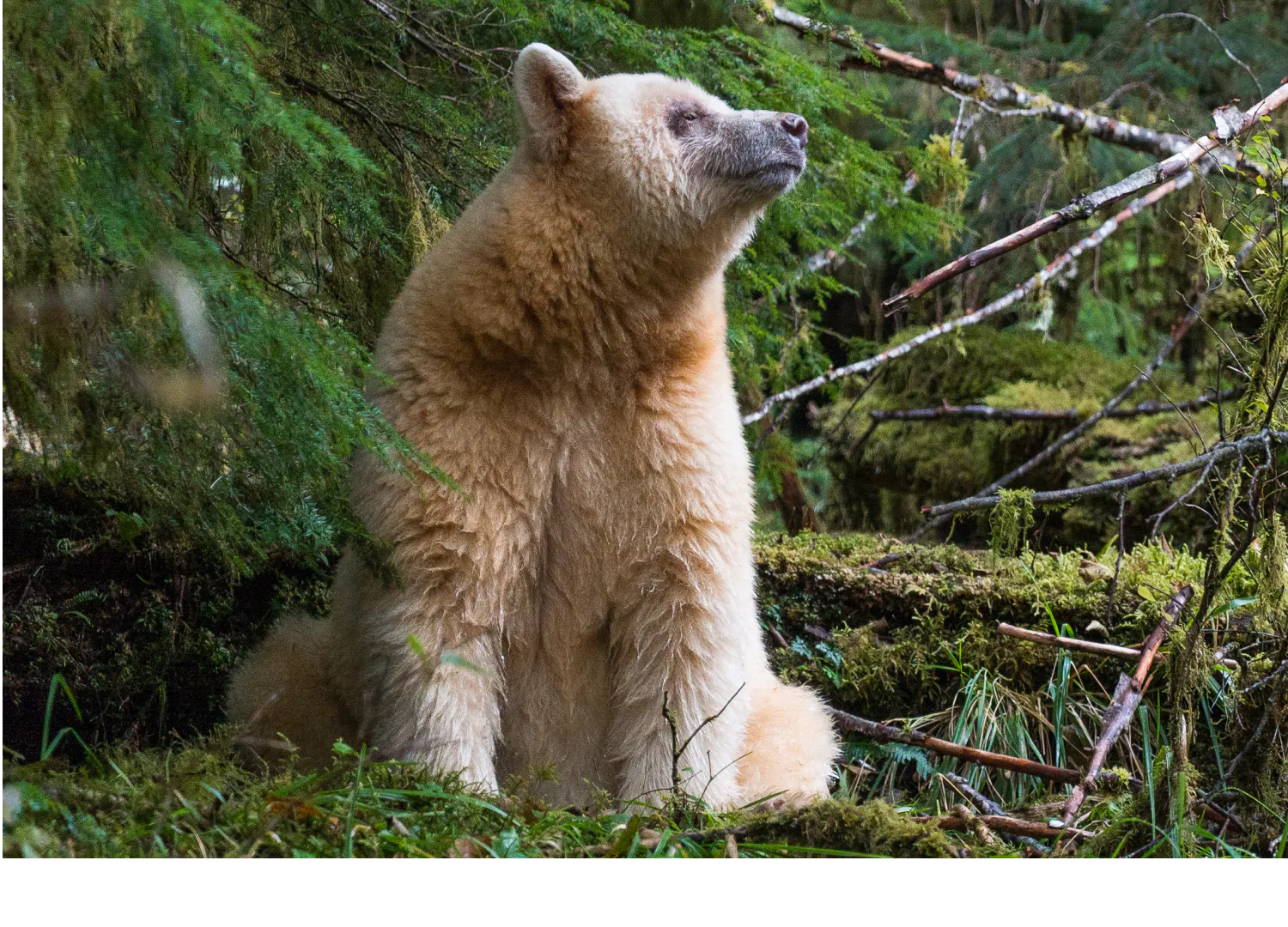
Do you know which species depend on salmon for survival? Click on the (+)'s below to learn more!
The Threat of Industrial Salmon Farms
The excessive pollution and toxins generated from industrial salmon farms threaten ecosystems, marine life, surrounding wildlife, and even us. The limited space for salmon allows parasites to thrive in the tight quarters, causing high fish mortality rates and propagation of diseases throughout its waters. All of these threats contribute to the extinction of salmon drawing near.
The salmon industry has faced a huge demand in recent years as consumers adapt their nutritional lifestyles. By 2028, global salmon market sales are forecasted to increase by over 50% with an estimated $76.14 billion in annual sales. Out of those annual sales, a majority of the fish that are sold come from farms. As a result, you are more likely to eat a farmed salmon than a wild one in today's market.
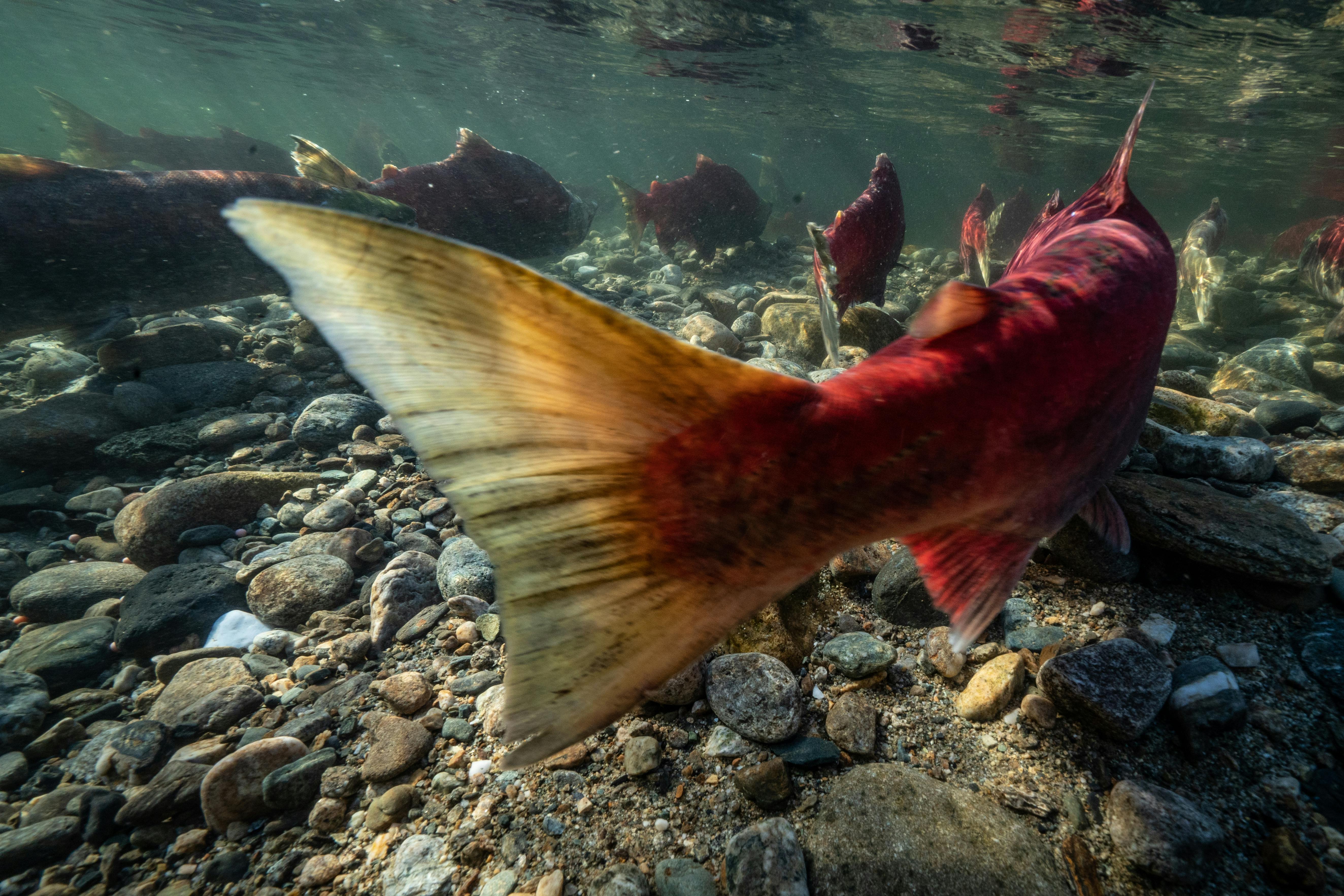
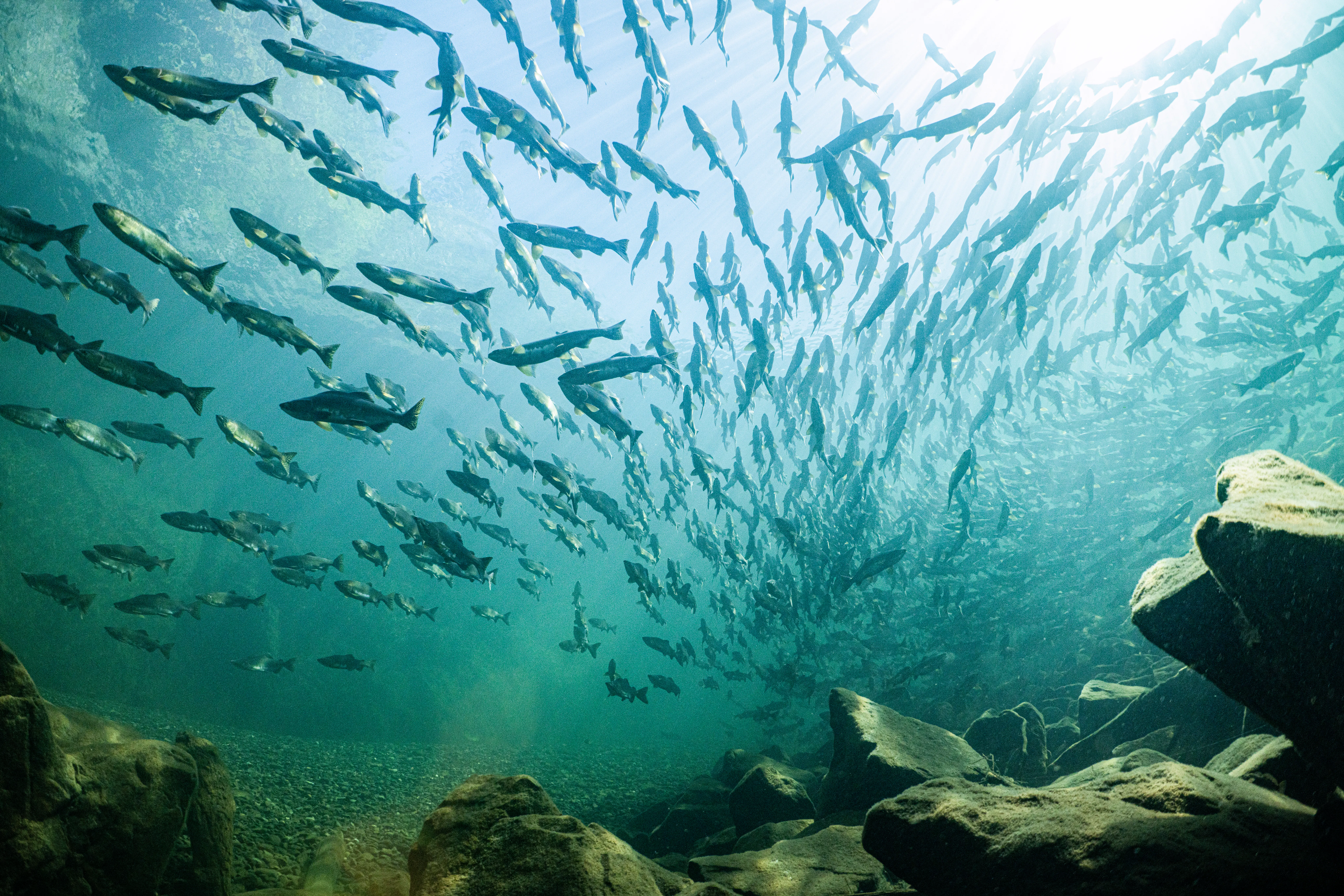
You are More Likely to be Eating Farmed Salmon
How can you tell the difference between farmed salmon and wild salmon?
If you look closely at a filet of a farmed salmon versus wild salmon, there are a couple of quick differences you can notice between the two — the coloring and marbling, or the difference between the natural flesh and fat concentrations. A filet with a lighter, more pink coloring and thicker white lines of fat is a clear indicator of a farmed salmon. Wild salmon will display more red and orange tones with minimal marbling, as the wild counterpart has much less fat due to their active lifestyle in the waters.
Help Change the Future for Salmon
TWO countries have TWO separate opportunities to save salmon
As the demand for salmon continues to grow, the industry will be looking to capitalize on sales. Farmed salmon will be pursued as a sustainable food source. However, it brings with it a lot of complications, such as a high transmission of disease, pollution, and outbreaks of sea lice — all of which are significantly impacting wild salmon and the ecosystems that depend on them.
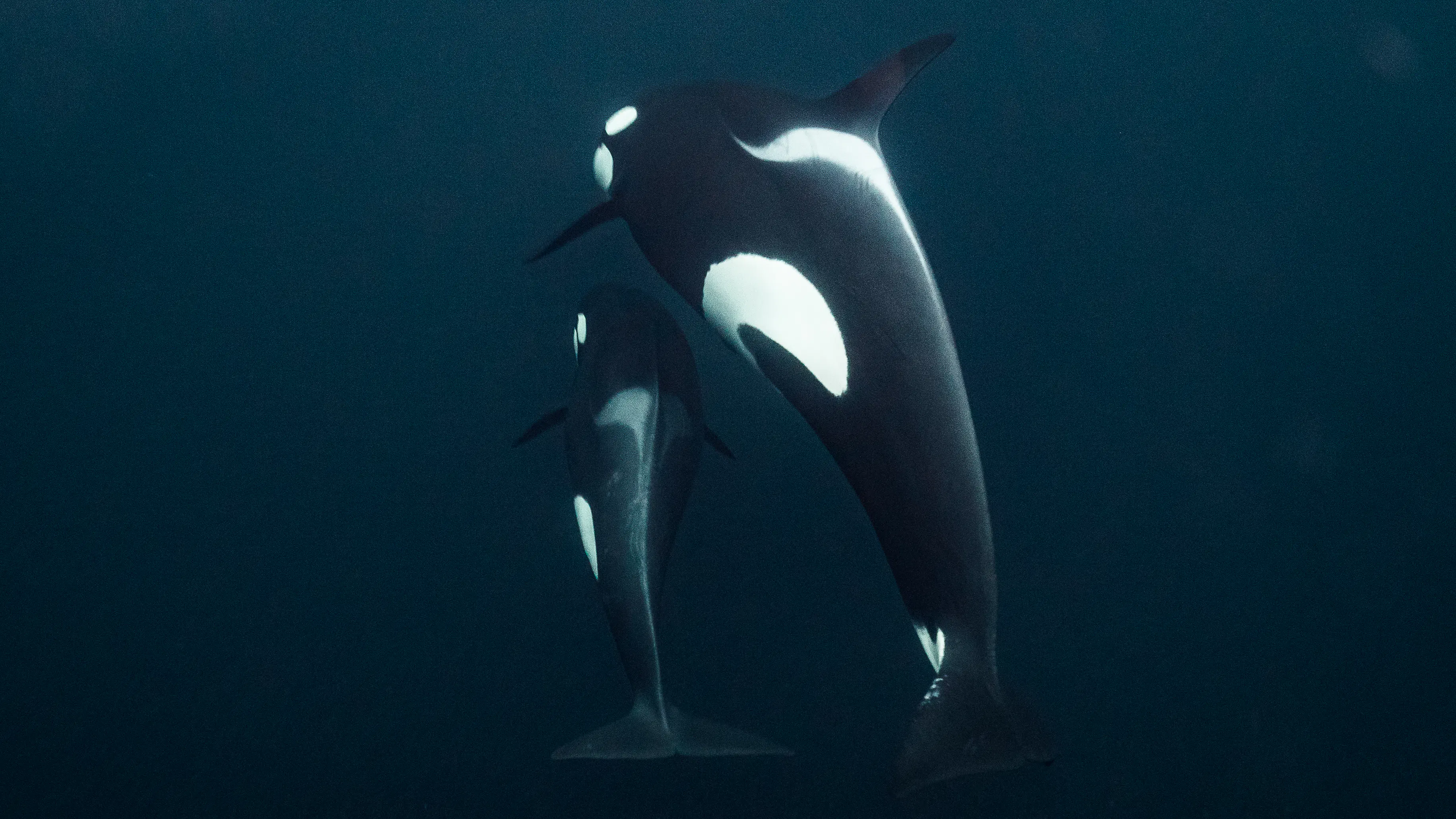
Additionally, as the ecosystems are under threat and the wild salmon that supports them, all wildlife is at risk. The Southern Resident orca comes closer to extinction every day due to the lack of wild salmon for it to catch. Grizzly bears that depend on the fatty tissue from nutrient-rich fish are unable to put on enough fat before their winter of hibernation. Forests that rely on the nutrients provided by salmon during the spawning season are unable to replenish their resources. Everything is at risk.
Protect Wild Salmon from Industrial Salmon Farms
In British Columbia, young wild salmon are being ravaged by sea lice that they “pick up” as they migrate north toward the open ocean. Passing through the narrow channels of the Discovery Islands has many complications for the salmon and currently directs them through B.C.’s highest concentration of fish farms. Salmon are unable to return home to spawn and their populations are plunging. The companies that operate these destructive fish farms have spent millions of dollars on treatments that have been largely ineffective, and in fact, have resulted in some salmon contracting even more lice. It is time for these fish farms to be removed.
Now is a critical moment in the 30-year effort to protect wild salmon.
Restore salmon in the Snake River
Across the border in the U.S., the Snake River has been at the center of controversy since the 1990s. The Columbia-Snake River Basin was once the most prolific salmon landscape on the planet – experiencing returns of adult wild salmon and steelhead salmon, exceeding 16 million fish annually. Today, however, due to the large dams built on the Columbia and Snake Rivers during the last century, wild salmon are prevented from returning to spawn and populations have plummeted. Thirteen salmon populations are listed under the Endangered Species Act. All four remaining salmon and steelhead populations in the Snake River Basin are at risk of extinction. We must restore Snake River and remove the dams.