
Explainer
Salmon
Behind the Curtain of Unsustainable Fish Farms
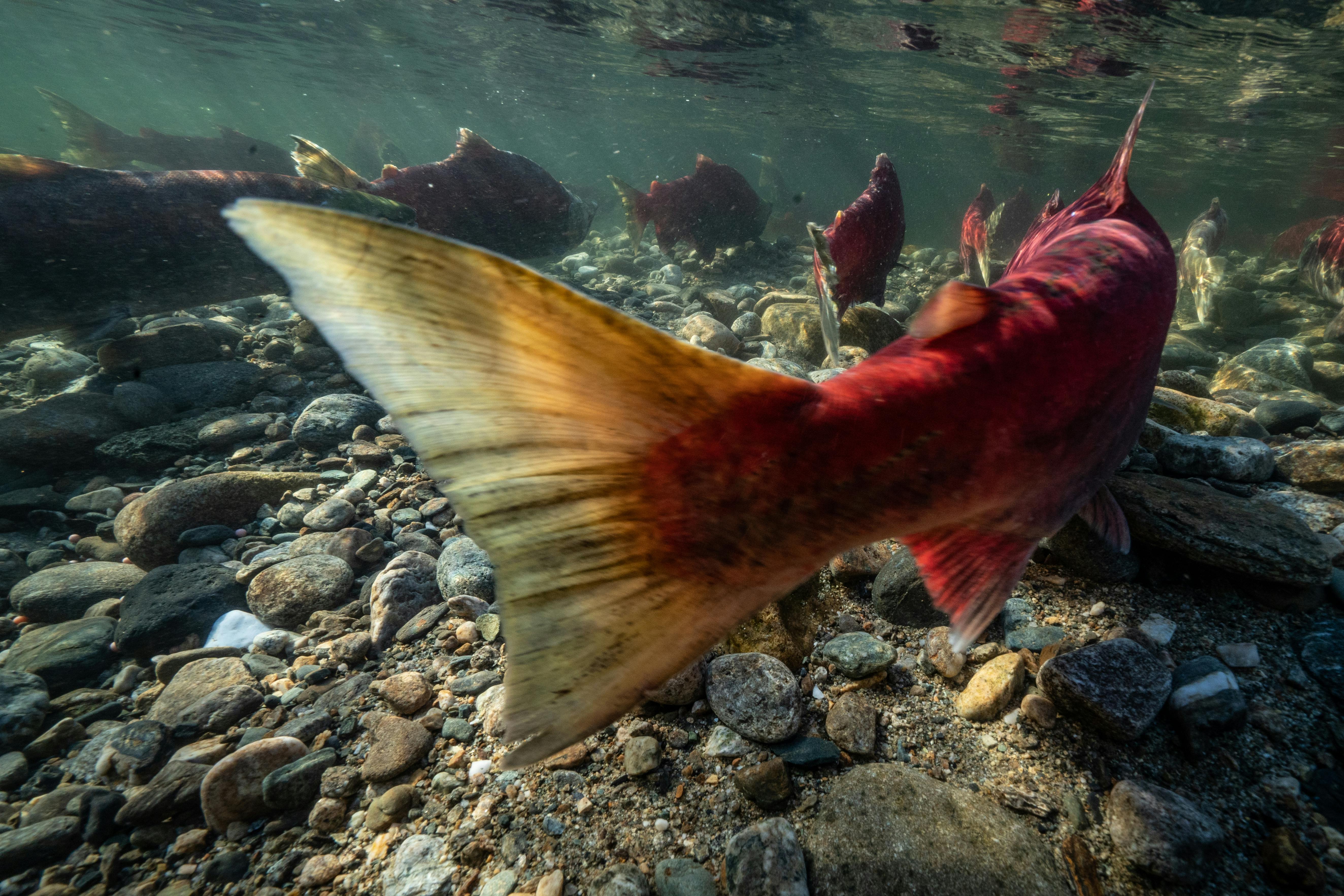
A keystone species in the wild, salmon provide enormous environmental benefits.

Salmon cycle rich marine nutrients relied upon by diverse wildlife in the ocean, estuaries, and freshwater ecosystems. For example, sockeye salmon runs in southwest Alaska transport up to 170 tons of phosphorus per year to Iliamna Lake.
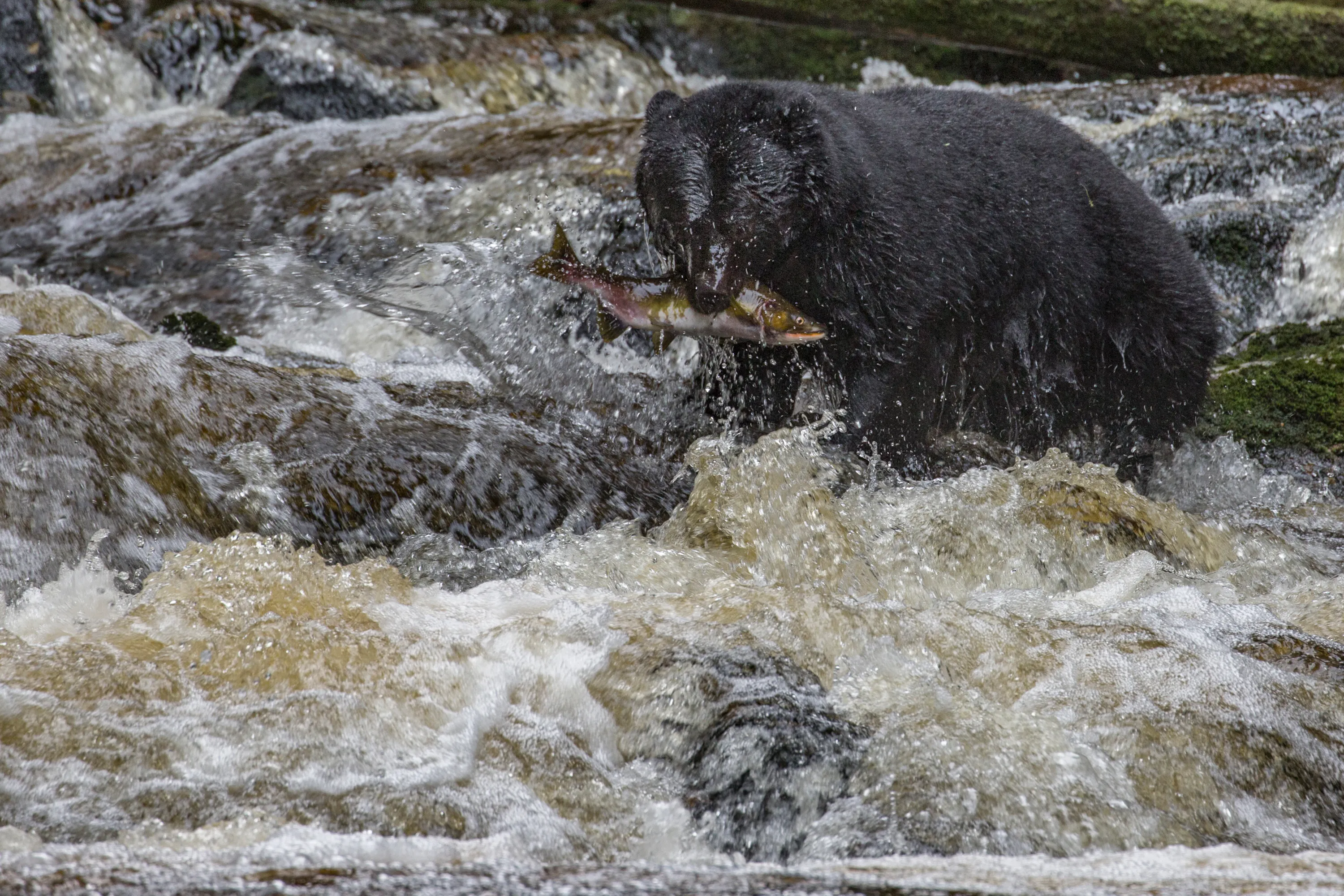
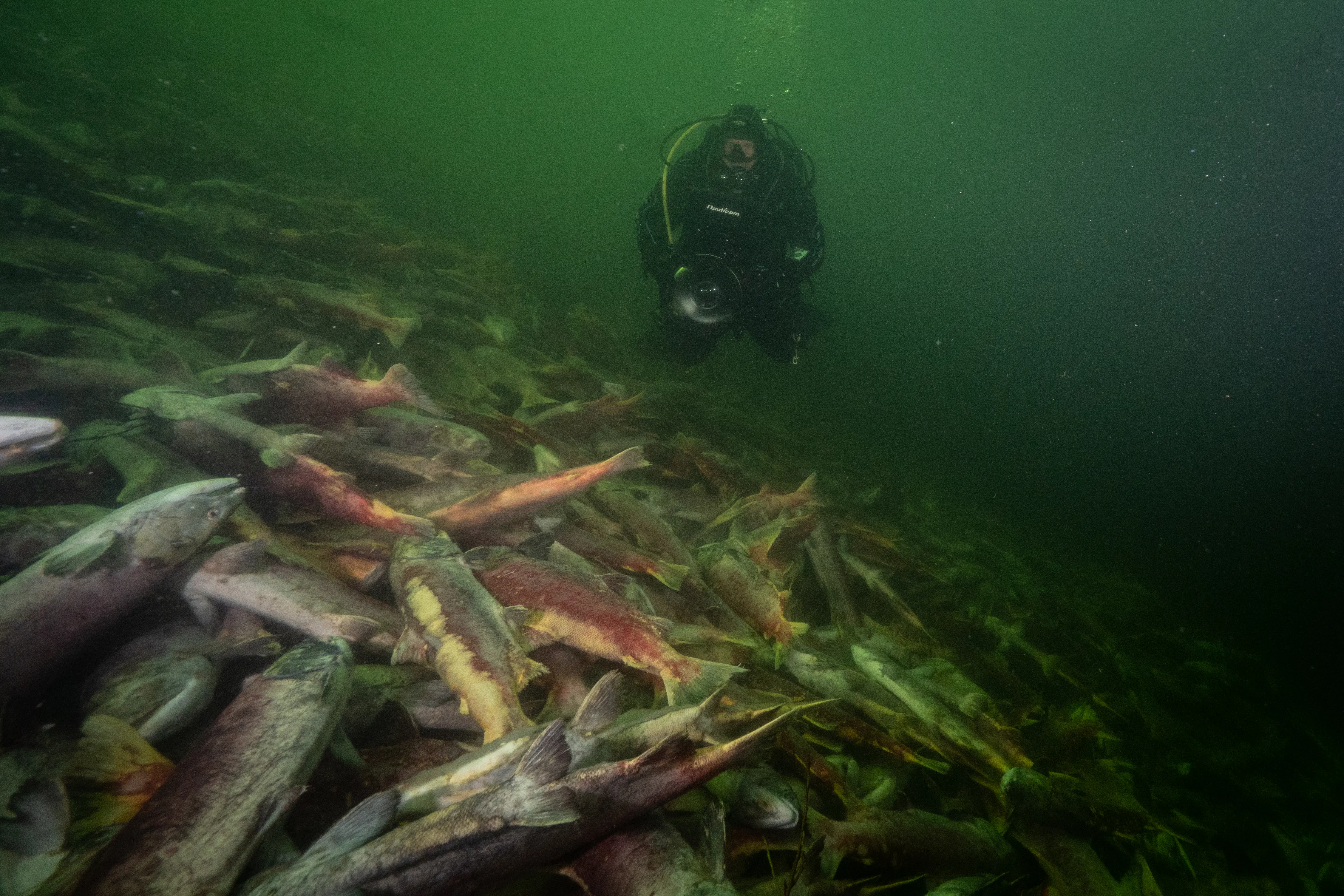
The life cycle of wild salmon is deeply intertwined with their surroundings. Salmon are a vital part of the food chain as both predators and prey. Pacific salmon carcasses and eggs are eaten by predators such as wolves and bears in coastal watersheds. On the flipside, more than 50 percent of the Pacific salmon diet while they migrate from freshwater environments to the ocean consists of insects; without Pacific salmon, there would be a danger of an explosion in insect numbers.
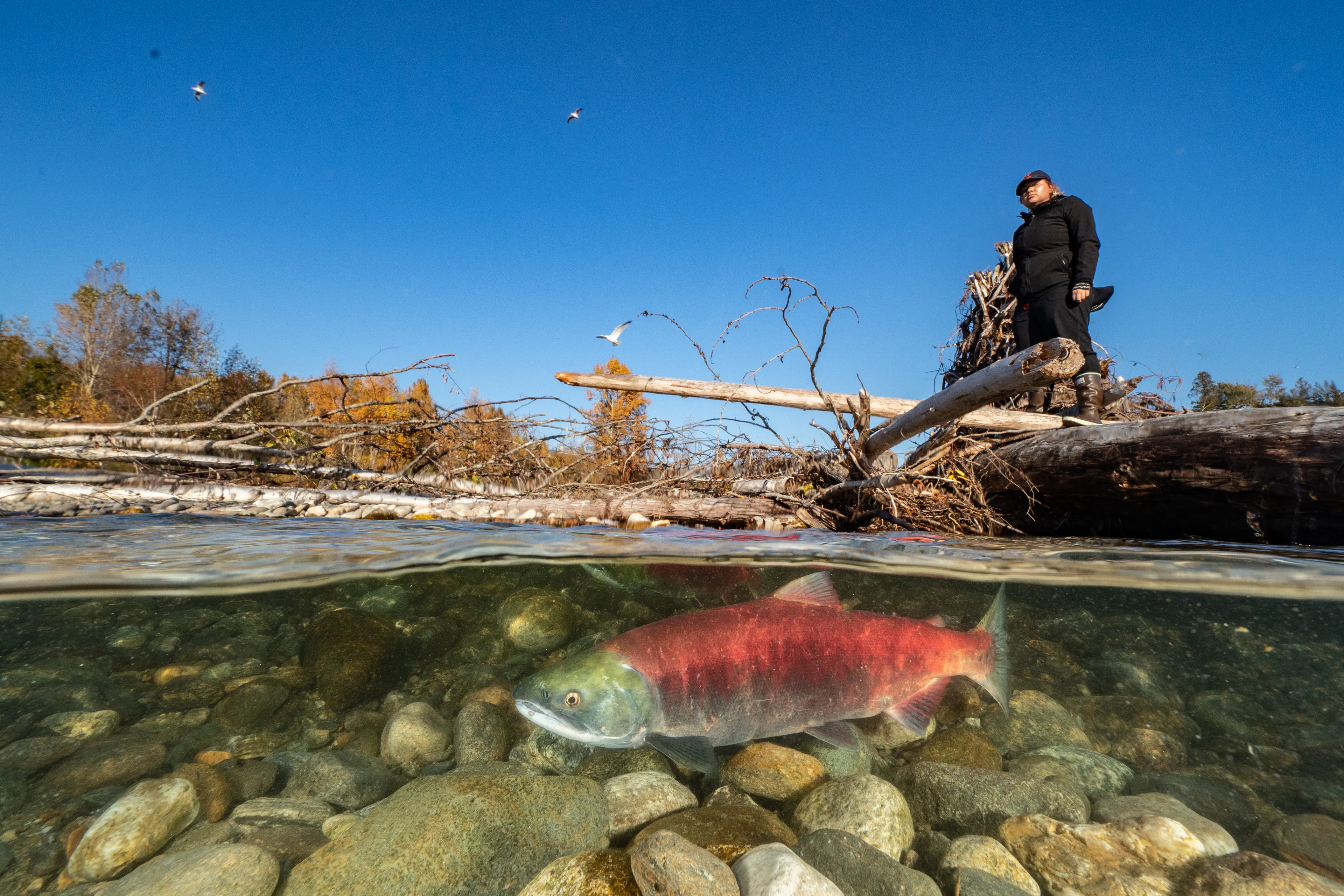
Numerous Indigenous peoples consider salmon central to their culture dating back centuries, and today, many small coastal communities depend on sustainable, abundant salmon populations for protein and income.
Yet, with the widespread collapse of wild salmon runs and growing consumer demand for the fish, an environmentally destructive ocean-farmed salmon industry has taken hold — between 2013 and 2019, the global salmon farming industry cost $50 billion in damages to marine ecosystems.
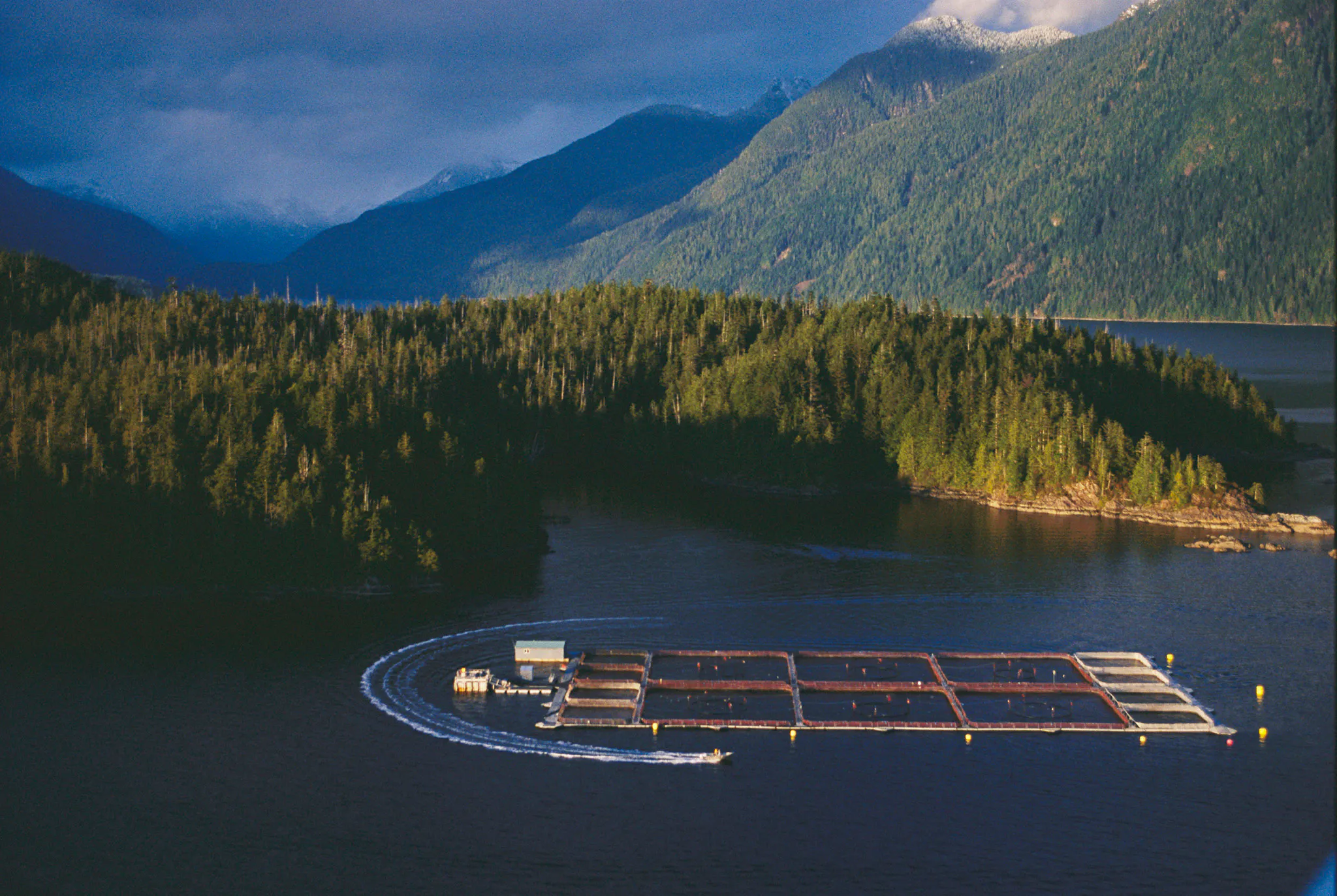
Farmed salmon are held in crowded net cages near the ocean shore. These conditions leave them vulnerable to sea lice and prone to spreading disease and parasites among themselves and to passing wild fish. Escaped ocean-farmed salmon often mate with wild salmon, curbing the genetic variation that helps with species survival. Surrounding ecosystems also suffer. Pesticides and pharmaceuticals used by salmon farmers can flow into the marine environment, giving rise to antibiotic-resistant bacteria in the ocean that can reach humans. And even fish living in waters far from these farms pay a price. West African sardines and other small fish stocks have plummeted due to demand for feed from salmon farms around the world — it can take 18 pounds of wild fish feed to produce only 2 pounds of farmed salmon in Chile.
These vulnerable marine habitats, already at risk because of climate change, need our investment in their protection instead.
We can start by increasing sustainable seafood production, which is vital for creating a healthy ocean economy. And there are signs of hope, such as the ban on open-net salmon farming in Argentina achieved in 2021.
Meet Martina Sasso
After three years of hard work by Martina, her team, and others, Argentina succeeded in becoming the first country in the world to make open-net salmon farming illegal. She now wants to protect one of the last wild places on Earth: Península Mitre.

More Explainers
Sources
The Guardian: Global salmon farming harming marine life and costing billions in damage
Oceana: Here’s why eating farmed salmon doesn’t help wild salmon
Coalition for Fair Fisheries Arrangements: The rich man's fish feeds on the poor man's sardinella"
The New Yorker: Fish Farming is Feeding the Globe. What's the Cost for Locals?
The Guardian: Salmon farming in crisis: 'We are seeing a chemical arms race in the seas'
Ocean Conservancy: Why Investing in Our Ocean is Good Business for People and the Planet